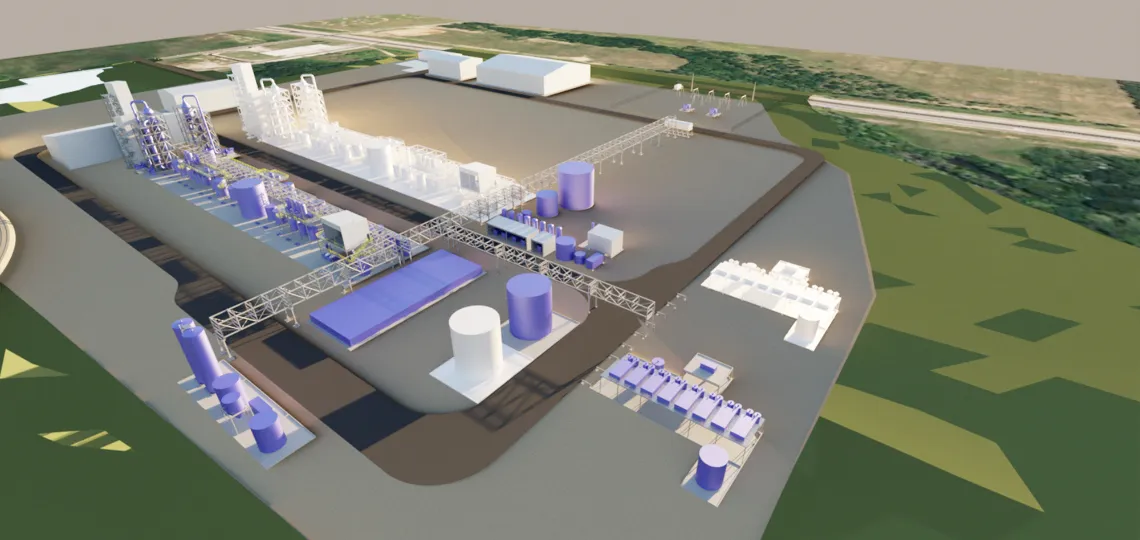
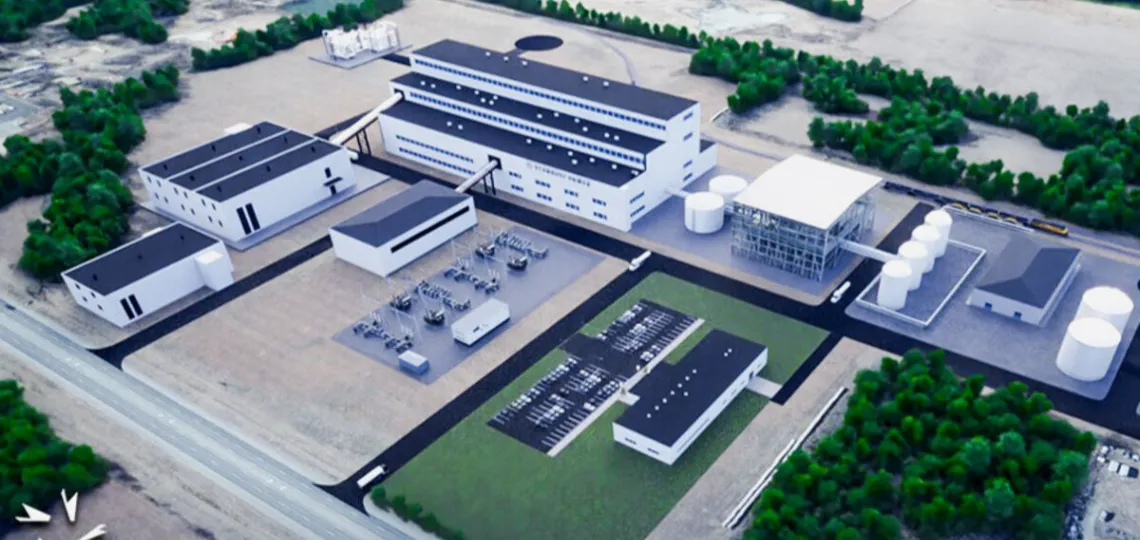
Stardust Power Inc., a US-based developer of battery-grade lithium carbonate, announced the completion of an independent technical audit of its Front-End Loading 3 (FEL 3) engineering study for its planned refinery in Muskogee, Oklahoma. The report, conducted by Black & Veatch, validated the project’s technical assumptions, plant design, and execution strategy for the first phase of production.

Proven technology and a suitable site
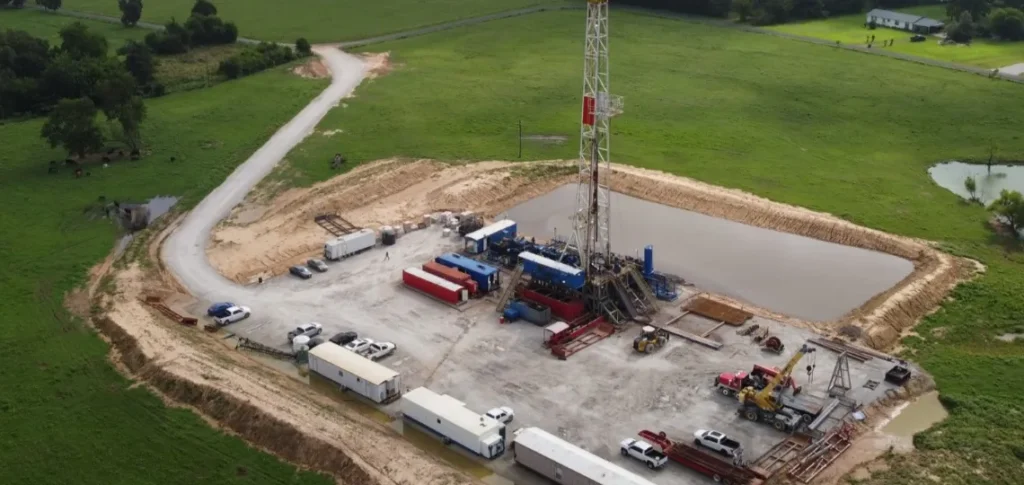
The independent engineering report, commissioned by Stardust Power, confirms that the Muskogee site has the necessary infrastructure, with adequate access to electricity, gas, and water. The construction process is estimated at 24 months, followed by a 12-month ramp-up, a timeline considered realistic by independent engineers.
The findings indicate that the technical design is based on lithium processing systems already proven at industrial scale, with modifications allowing greater flexibility in raw material handling. Phase 1 of the facility is expected to deliver 25,000 metric tons of lithium carbonate annually, with a final target of 50,000 tons.
Compliance with industry standards and low technical risk
The report assessed the technology risk as low, due to the similarity of the design to other operational facilities worldwide. Expected performance, including lithium recovery rates and long-term operational availability, was found to align with industry benchmarks.
Stardust Power’s risk management protocols, quality control procedures, and contractor selection process were also reviewed. These were deemed consistent with sector best practices, further strengthening the project’s execution credibility.
Strategic progress towards construction
The project now benefits from external validation of its core assumptions, marking a key milestone in Stardust Power’s implementation strategy. The company plans to proceed with the next development phases, focusing on speed to market, operational efficiency, and integration into the domestic supply chain.
According to Stardust Power’s leadership, this technical validation is expected to increase investor and partner confidence in the project’s ability to produce lithium carbonate reliably at scale.