Spie and Tesla partner to deploy battery electricity storage systems in Europe

Spie and Tesla have signed a framework agreement to install battery electricity storage systems in Europe, focusing on France, Poland and Germany.
Share:

Comprehensive energy news coverage, updated nonstop

Annual subscription

8.25$/month*

*billed annually at 99$/year for the first year then 149,00$/year ​

Unlimited access • Archives included • Professional invoice

OTHER ACCESS OPTIONS

Monthly subscription

Unlimited access • Archives included

5.2$/month*
then 14.90$ per month thereafter

FREE ACCOUNT

3 articles offered per month

FREE

*Prices are excluding VAT, which may vary depending on your location or professional status

Since 2021: 35,000 articles • 150+ analyses per week

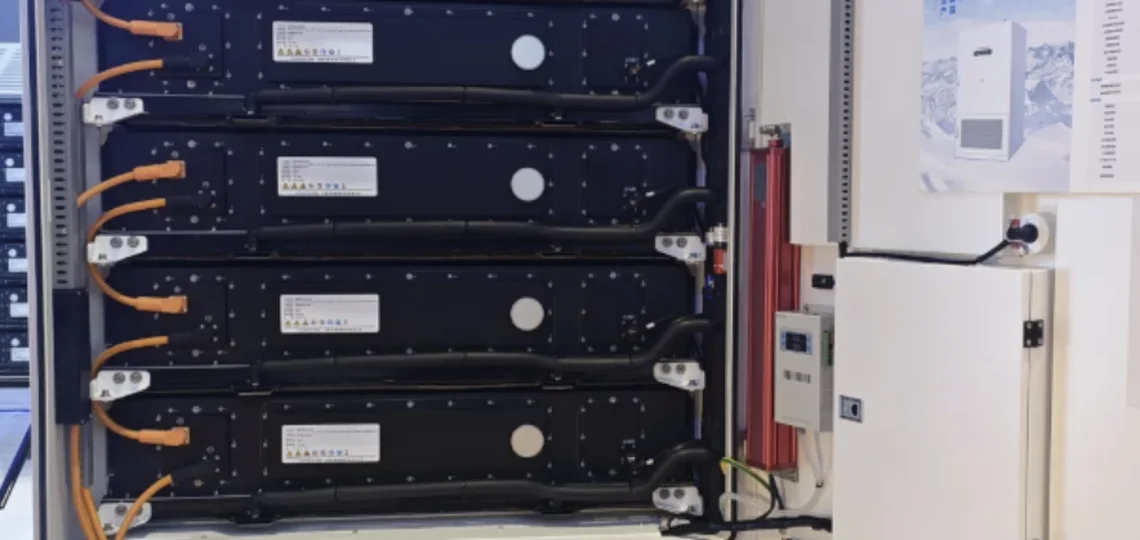
French group Spie has announced the signing of a European framework agreement with Tesla concerning the deployment of battery electricity storage systems. The three-year renewable agreement covers all of Spie’s European subsidiaries specialised in the installation of these technologies. This strategic partnership aims to reinforce electricity storage capacities, a key sector for managing energy transition.
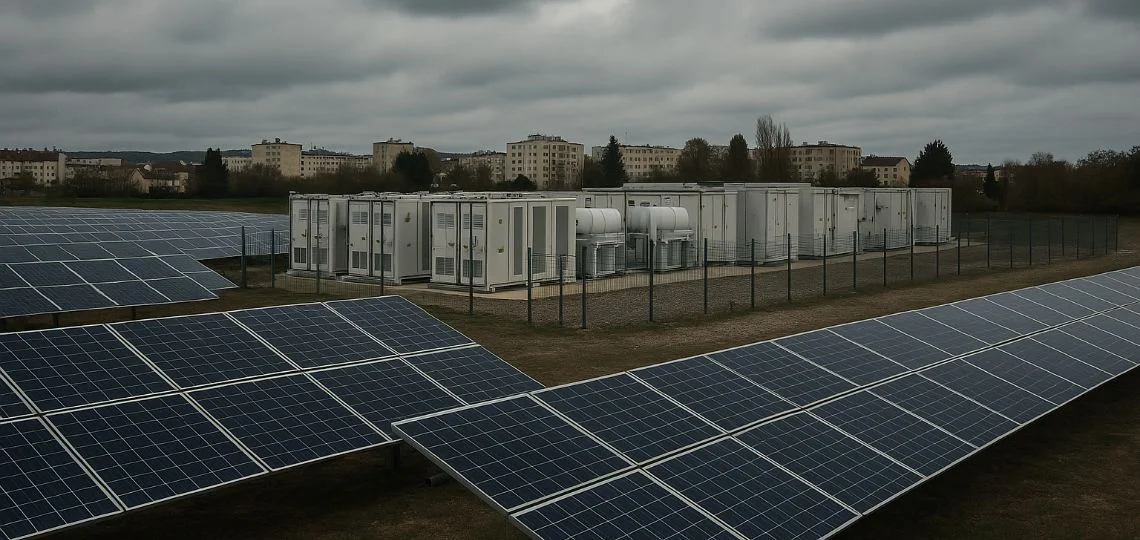
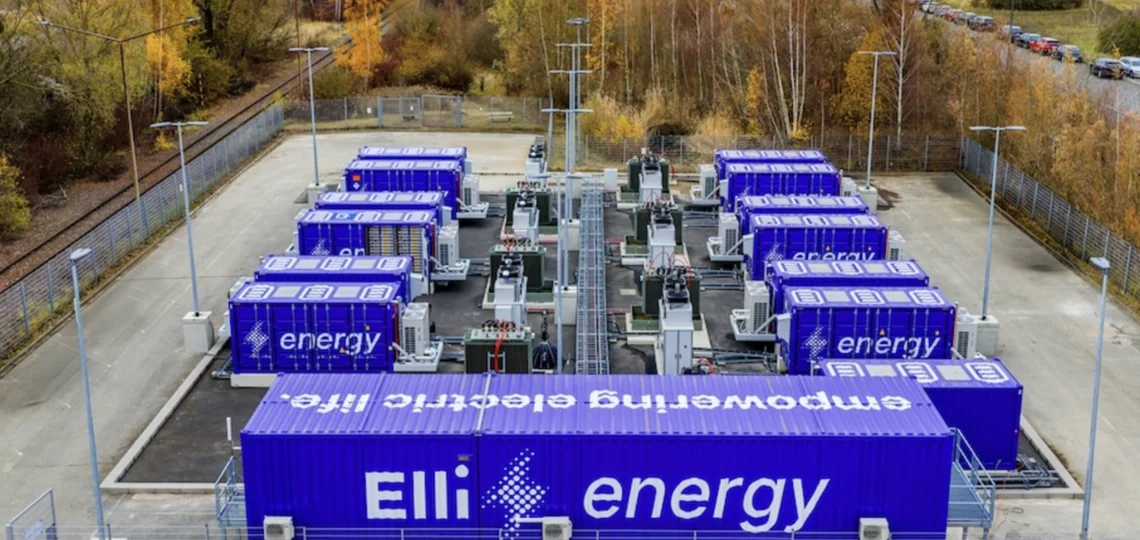
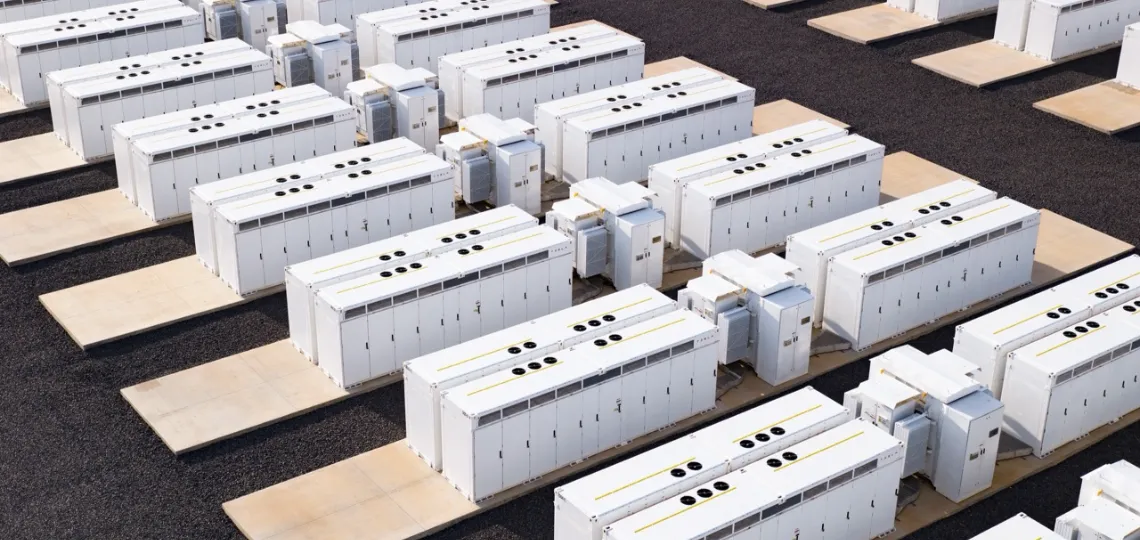
The installations will use Tesla Megapack batteries, which can store more than 3.9 megawatt-hours (MWh) of electricity—enough to power 3,600 households for one hour. This type of storage plays a critical role in balancing electricity demand and supply, particularly by integrating renewable energy sources into the grid.

Spie will handle the connection of the installations to high and medium voltage grids, engineering, commissioning, and management of auxiliary equipment such as security systems. The agreement highlights the need to standardise legal and operational conditions across all European Megapack projects installed by Spie.

While initially focused on France, the agreement opens the way to projects in other European countries, notably Poland and Germany, where demand for energy storage solutions is rising. The partnership illustrates ongoing efforts to industrialise large-scale electricity storage infrastructure as governments and companies increase investments in resilient energy systems.

The stakes of the Spie and Tesla agreement

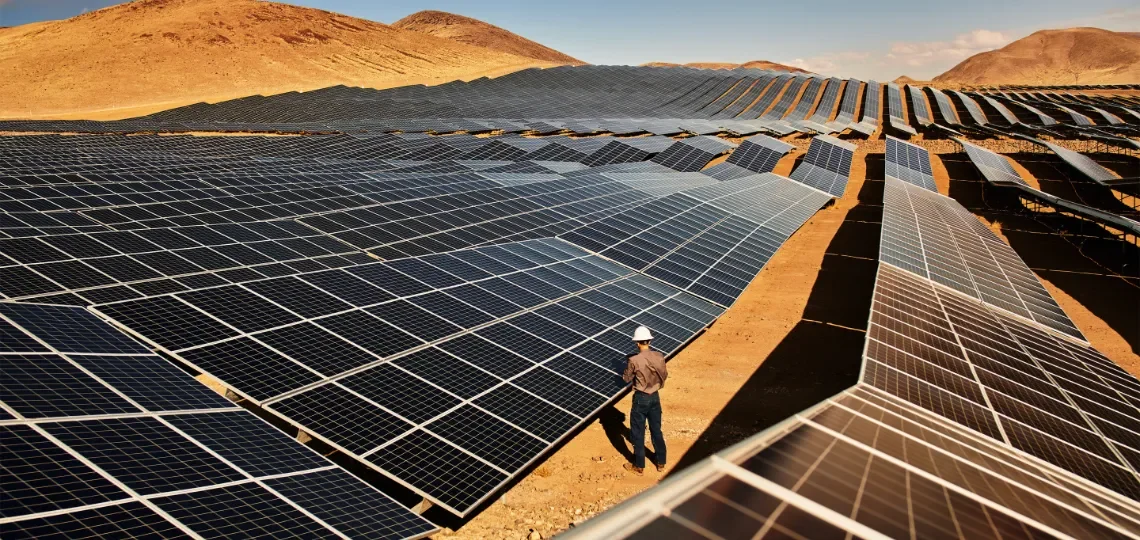
Battery electricity storage has become a central component in energy transition, helping to mitigate the intermittency of renewable sources like wind and solar. By combining its installation expertise with Tesla’s Megapack solutions, Spie aims to meet the growing demand for infrastructure capable of efficiently storing surplus renewable energy.

This agreement, which may be renewed after the initial period, is part of a broader trend to develop large-scale storage technologies across Europe. Projects implemented by Spie and Tesla could also serve as a model for other European Union countries seeking to meet their CO2 reduction targets while improving energy security.

Towards standardisation of electricity storage installations

One of the primary objectives of this framework agreement is to create standardised conditions for deploying electricity storage projects across Europe. This includes harmonised legal and operational processes, designed to accelerate rollout while ensuring operational efficiency. Standardising conditions is a key step in expanding these technologies across Europe and integrating them into local electrical infrastructures.

It also represents a significant opportunity for Spie, which now benefits from a partnership with Tesla—one of the leading companies in energy innovation—allowing it to expand its reach while consolidating its expertise in renewable energy and storage solutions.

NextNRG strengthens its domestic battery supply by signing a memorandum of understanding with A123 Systems, targeting the deployment of energy storage systems manufactured in the United States across its national project portfolio.
LG Energy Solution terminated a KRW3.9tr agreement with Freudenberg Battery Power System amid the US electric vehicle market’s decline and its partner’s strategic withdrawal.
Port Inc. reports positive results from its battery storage pilot in Gunma, leveraging a regulatory window ahead of adjustment market reforms scheduled for fiscal year 2026.
Canadian company Vision Lithium has completed a private placement of 14 mn flow-through shares totalling $209,000 to support its mineral exploration projects in Québec.
Matrix Renewables has signed a turnkey agreement with Tesla to develop a 1 GWh battery energy storage system in Scotland, marking its first standalone project of this kind in the UK.
China's electricity market overhaul improves the profitability of energy storage, supporting a rapid increase in battery exports as global demand rises with data centres and power grids.
South Korea’s Tilda accelerates its entry into Vietnam with an artificial intelligence-based energy optimisation solution for solar and energy storage systems in the manufacturing sector.
Aegis Critical Energy Defence Corp. and Seetel New Energy have created Cordelia BESS to respond to Ontario’s LT2 call for proposals, aimed at strengthening energy capacity through battery storage.
esVolta finalises investment tax credit transfer for its Black Walnut storage project to Computacenter, marking a first-of-its-kind operation within its California energy portfolio.
Peregrine Energy Solutions has begun construction on a 500 MWh storage project in Texas, relying on Wärtsilä's technology and WHC's engineering expertise to enhance ERCOT grid flexibility.
The world's largest battery energy storage system enters service in Saudi Arabia, with an annual capacity of 2.2 billion kWh spread across three strategic sites in the southwest of the country.
Masdar begins commercial operations at a Stockport battery storage unit and announces two more UK projects, part of a £1bn ($1.25bn) plan for 3GWh of BESS capacity.
Australia-based storage platform Akaysha Energy has launched its first operational project, a 155 MW battery in Queensland, while confirming its expansion to over 1 GWh.
LehmanSoft Japan connected a 2MW/8.1MWh energy storage facility to the grid in Chichibu City, marking its entry into the Japanese stationary storage market.
Akuo launches a large-scale electricity storage project in Boulouparis, with a 200 MWh capacity, to support New Caledonia’s grid stability and reinforce the integration of renewable energies.
The group has won a strategic project with operator Amprion to deploy five 50 MW batteries to ease pressure on the German power grid and optimise electricity transmission.
Vena Energy has begun construction of a 408 MWh battery energy storage system in Tailem Bend, marking a new phase in the deployment of its infrastructure in Australia.
The explosion of battery storage applications in Germany is causing grid congestion and pushing Berlin to revise its regulatory framework to prevent market saturation.
The collapse in storage costs positions batteries as a key lever for dispatchable solar, but dependence on Chinese suppliers creates growing tension between competitiveness and supply chain security.
JA Solar has launched a microgrid combining 5.2 MW of solar and 2.61 MWh of storage at an industrial site in Sicily, marking its first application of the "PV+Storage+X" model in Italy.

All the latest energy news, all the time

Annual subscription

8.25$/month*

*billed annually at 99$/year for the first year then 149,00$/year ​

Unlimited access - Archives included - Pro invoice

Monthly subscription

Unlimited access • Archives included

5.2$/month*
then 14.90$ per month thereafter

*Prices shown are exclusive of VAT, which may vary according to your location or professional status.

Since 2021: 30,000 articles - +150 analyses/week.