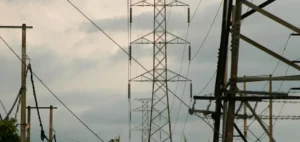
With electricity demand accelerating, Asia-Pacific utilities must manage massive investment needs, volatile revenues and geopolitical tensions as the energy transition advances in a rapid but disorderly manner.
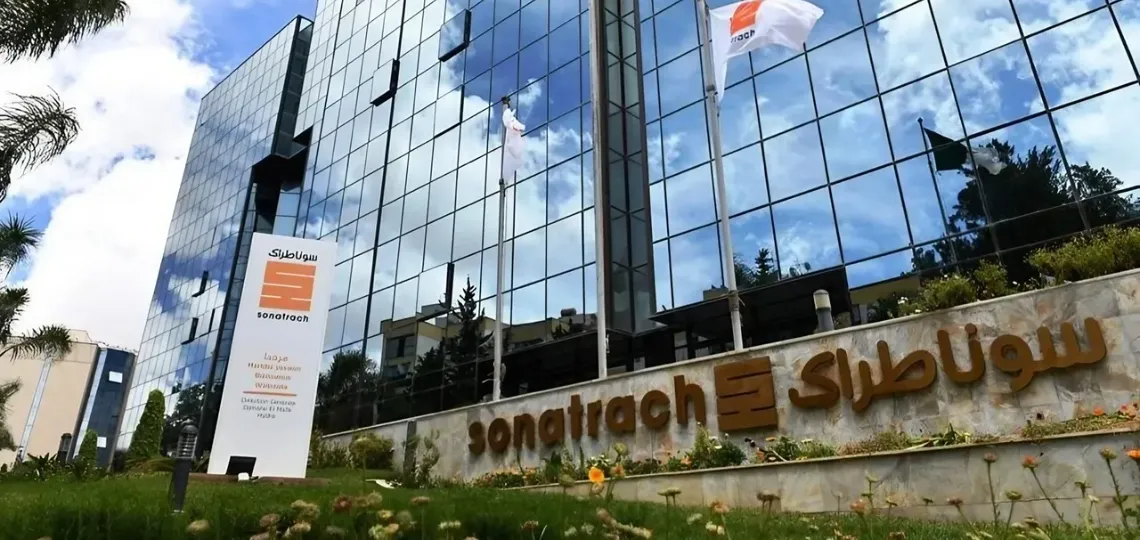
In response to rising domestic demand, Sonatrach adopts a five-year plan focused on increasing production, securing infrastructure, and maintaining export commitments.
PowerBank has completed a major regulatory step for its landfill-based solar installation, moving ahead with permitting for a 2.1 MW community project in upstate New York.
NU E Power Corp. closed a first financing tranche of $625,003 to support interconnection projects in Alberta and international feasibility studies, marking a new phase in the deployment of its energy infrastructure network.
Indian solar module manufacturer Emmvee has commissioned a new 2.5 GW production unit in Karnataka, raising its total capacity to 10.3 GW and triggering a 6% rise in its share price on the BSE.
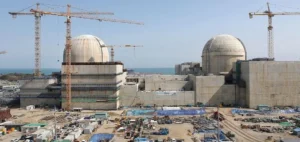
The South Korean nuclear regulator has approved the launch of the 1,400-megawatt Saeul 3 reactor, beginning with a six-month pilot phase before full commercial operation.
The Indonesian government plans to limit mining output in 2026 to stabilise commodity prices and increase fiscal revenues, according to the Minister of Energy and Mineral Resources.
Pipeline natural gas deliveries from Russia to the European Union dropped by 44% in 2025, reaching their lowest level in five decades following the end of transit via Ukraine.
Ankara is preparing a maritime exploration agreement with Damascus for 2026, marking a new phase in bilateral energy cooperation following a diplomatic rapprochement launched in 2025.
Octopus sells a minority stake in Kraken for $1 billion in a deal valuing the tech platform at $8.65 billion, initiating its spin-off and strengthening its position among international energy suppliers.
Frontera Energy has signed a crude supply deal worth up to $120mn with Chevron Products Company, including an initial $80mn prepayment and an option for additional funding.
Amplify Energy has completed the sale of its Oklahoma assets for $92.5mn, as part of its strategy to streamline its portfolio and optimise its financial structure.
NextNRG strengthens its domestic battery supply by signing a memorandum of understanding with A123 Systems, targeting the deployment of energy storage systems manufactured in the United States across its national project portfolio.
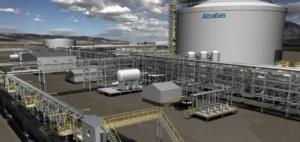
AltaGas has finalised a labour agreement with union ILWU Local 523B, ending a 28-day strike at its Ridley Island propane terminal, a key hub for Canadian exports to Asia.
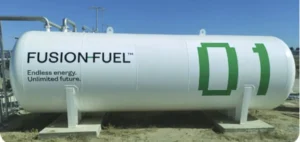
Fusion Fuel, through its subsidiary BrightHy Solutions, has set up a €30mn ($32.9mn) funded platform to develop industrial hydrogen projects, with the first site expected in Spain in 2026.
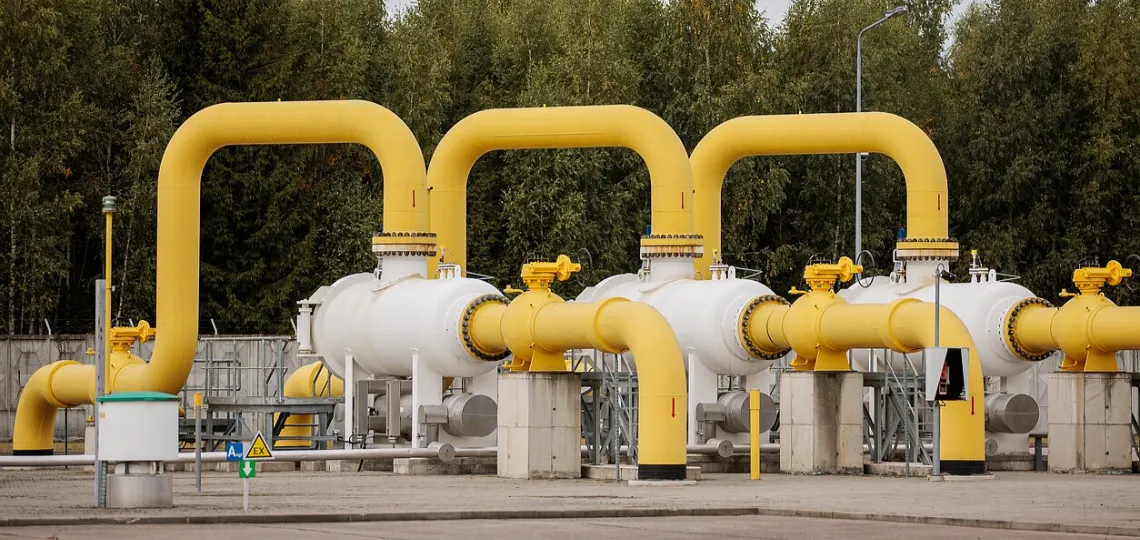
Amber Grid has signed an agreement to maintain gas transit to Russia’s Kaliningrad exclave, with a daily capacity cap of 10.5 mn m³ until the end of 2030, under a framework regulated by the European Union.
Cindrigo Holdings has secured the extension of its three geothermal permits in Germany and plans to benefit from a new loan programme launched by public bank KfW.
Lebanon engages in a memorandum of understanding with Egypt to import natural gas and support its electricity production, with infrastructure rehabilitation and active funding searches required to secure delivery.
The United States is requesting a derogation from EU methane rules, citing the Union’s energy security needs and the technical limits of its liquefied natural gas export model.
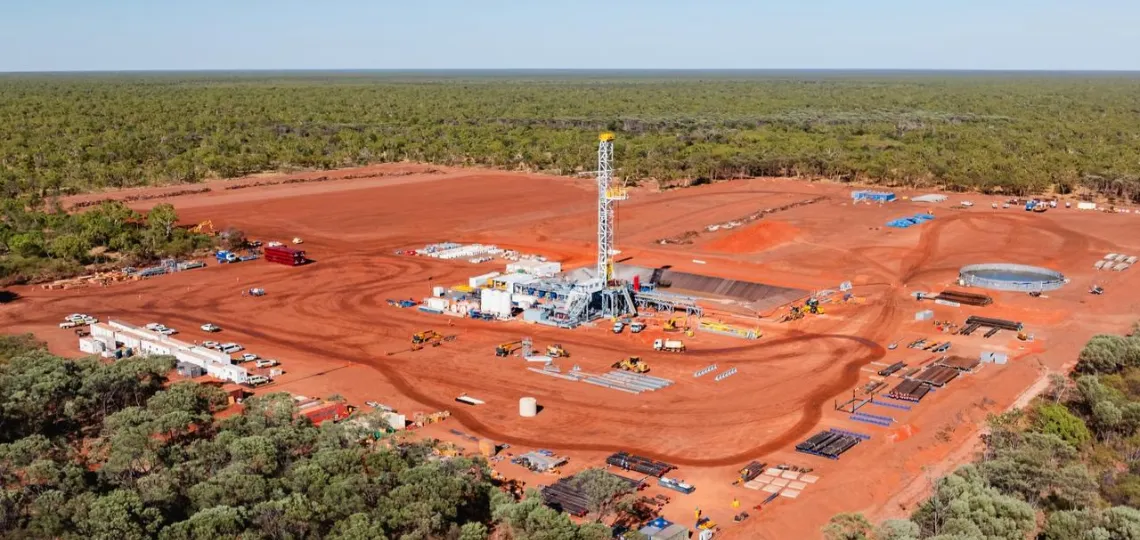
Falcon Oil & Gas and its partner Tamboran have completed stimulation of the SS2-1H horizontal well in the Beetaloo Sub-basin, a key step ahead of initial production tests expected in early 2026.
Gasunie Netherlands and Gasunie Germany have selected six industrial suppliers under a European tender to supply pipelines for future natural gas, hydrogen and CO₂ networks.
The ban on Russian liquefied natural gas requires a legal re-evaluation of LNG contracts, where force majeure, change-in-law and logistical restrictions are now major sources of disputes and contractual repricing.
The US House adopts a reform that weakens state veto power over gas pipeline projects by strengthening the federal role of FERC and accelerating environmental permitting.
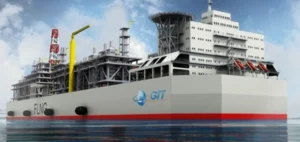
Morocco plans to commission its first liquefied natural gas terminal in Nador by 2027, built around a floating unit designed to strengthen national import capacity.
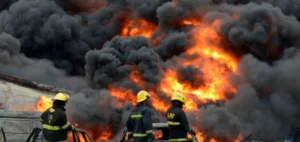
An explosion on December 10 on the Escravos–Lagos pipeline forced NNPC to suspend operations, disrupting a crucial network supplying gas to power stations in southwestern Nigeria.
At an international forum, Turkmenistan hosted several regional leaders to discuss commercial cooperation, with a strong focus on gas and alternative export corridors.
The Australian government has launched the opening of five offshore gas exploration blocks in the Otway Basin, highlighting a clear priority for southeast supply security amid risks of shortages by 2028, despite an ambitious official climate policy.
BlackRock sold 7.1% of Spanish company Naturgy for €1.7bn ($1.99bn) through an accelerated bookbuild managed by JPMorgan, reducing its stake to 11.42%.
The British company begins the initial production phase of Morocco's Tendrara gas field, activating a ten-year contract with Afriquia Gaz amid phased technical investments.
The Energy Information Administration revises its gas price estimates upward for late 2025 and early 2026, in response to strong consumption linked to a December cold snap.
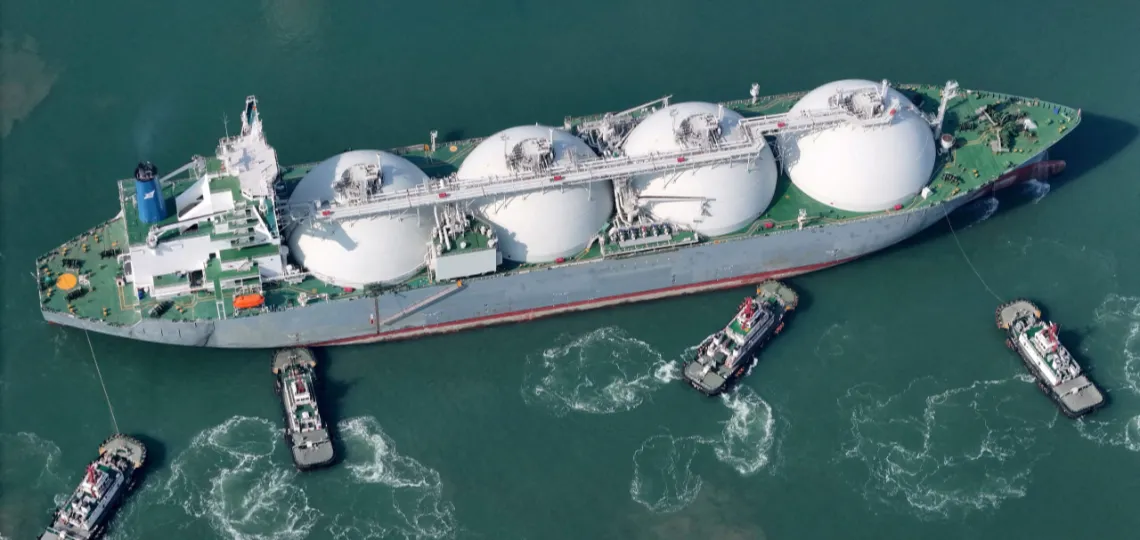
The Valera LNG carrier delivered a shipment of liquefied natural gas (LNG) from Portovaya, establishing a new energy route between Russia and China outside Western regulatory reach.
South Stream Transport B.V., operator of the offshore section of the TurkStream pipeline, has moved its headquarters from Rotterdam to Budapest to protect itself from further legal seizures amid ongoing sanctions and disputes linked to Ukraine.
US LNG exports are increasingly bypassing the Panama Canal in favour of Europe, seen as a more attractive market than Asia in terms of pricing, liquidity and logistical reliability.
Indian Oil Corporation has issued a tender for a spot LNG cargo to be delivered in January 2026 to Dahej, as Asian demand weakens and Western restrictions on Russian gas intensify.
McDermott has secured a major engineering, procurement, construction, installation and commissioning contract for a strategic subsea gas development offshore Brunei, strengthening its presence in the Asia-Pacific region.
The partnership between Fluor and JGC has handed over LNG Canada's second liquefaction unit, completing the first phase of the major gas project on Canada’s west coast.