Unit 2 of the Zhangzhou nuclear power plant, in Fujian province, has officially begun commercial operation after successfully completing all commissioning tests.
The group of major oil producers extends its stability strategy despite a drop in prices of more than 18% in 2025 and projected supply surplus for the coming year.
Amid Venezuela’s political transition, the African Energy Chamber urges international players to prioritise stability to secure oil investment and restore national production.
The Libya Energy & Economic Summit 2026 will host five leaders from the legal and advisory sectors to support the opening of the national oil market and strengthen regional cooperation.
Norwegian group Borr Drilling has announced two contractual commitments for its Ran and Odin rigs, extending its activities in the Americas through 2027.
Falcon Oil & Gas has secured shareholder approval to sell its majority stake in its Australian subsidiary to Tamboran group, clearing a key hurdle in a broader divestment transaction.
SolarMax Technology has signed two engineering, procurement and construction contracts for 400 MWh energy storage projects in Puerto Rico, with expected revenues totalling $158.3mn.
Lane42 Investment Partners has completed the acquisition of Aqua Terra Permian, a wastewater infrastructure operator in the Permian Basin, aiming to expand its footprint in strategic midstream services.
Quantum Capital Group sells nearly 90% of Cogentrix assets to Vistra for $4.7bn, marking a strategic repositioning of gas-fired assets in the United States.
Plains All American Pipeline and Plains GP Holdings announce a 10% increase in quarterly distributions ahead of their fourth quarter 2025 financial results release.
Vital Energy has completed a strategic land acquisition in western Alberta, increasing its regional exposure to nine sections and supporting its development outlook in the Charlie Lake reservoir.
Italy’s competition authority is reviewing A2A’s electric vehicle charging activities amid increased scrutiny of strategic mobility infrastructure and the enforcement of European Union competition rules.
Brent crude fell to its lowest level since 2021, as persistent oversupply throughout 2025 weighed on prices despite isolated geopolitical tensions and China’s strategic stockpiling.
Work has begun at the Bailong and Lufeng sites with concrete poured for the nuclear islands, marking the start of construction for two CAP1000 reactors.
Eni and Repsol are facing difficulties recovering payments for gas deliveries to Venezuela, with an outstanding balance of $6bn and no clear engagement from U.S. authorities on the matter.
India’s crude imports from Russia could hit an eighteen-month low as Reliance Industries anticipates no shipments in January due to logistical and commercial disruptions.
French group Orano receives USD900mn in public support to establish a new uranium enrichment facility in Tennessee, as part of a broader US nuclear sector revival plan.
Japan’s nuclear restart effort stalls after Chubu Electric acknowledged a possibly flawed seismic risk estimate at its Hamaoka facility under regulatory review.
Eni has transferred its traditional refining branch to Eni Industrial Evolution, a new company dedicated to managing its industrial assets in Europe and the Middle East.
Kinder Morgan restored the EPNG pipeline capacity at Lordsburg on December 13, ending a constraint that had driven Waha prices negative. The move highlights the Permian’s fragile balance, operating near the limits of its gas evacuation infrastructure.
ENGIE activates key projects in Belgium, including an 875 MW gas-fired plant in Flémalle and a battery storage system in Vilvoorde, to strengthen electricity supply security and grid flexibility.
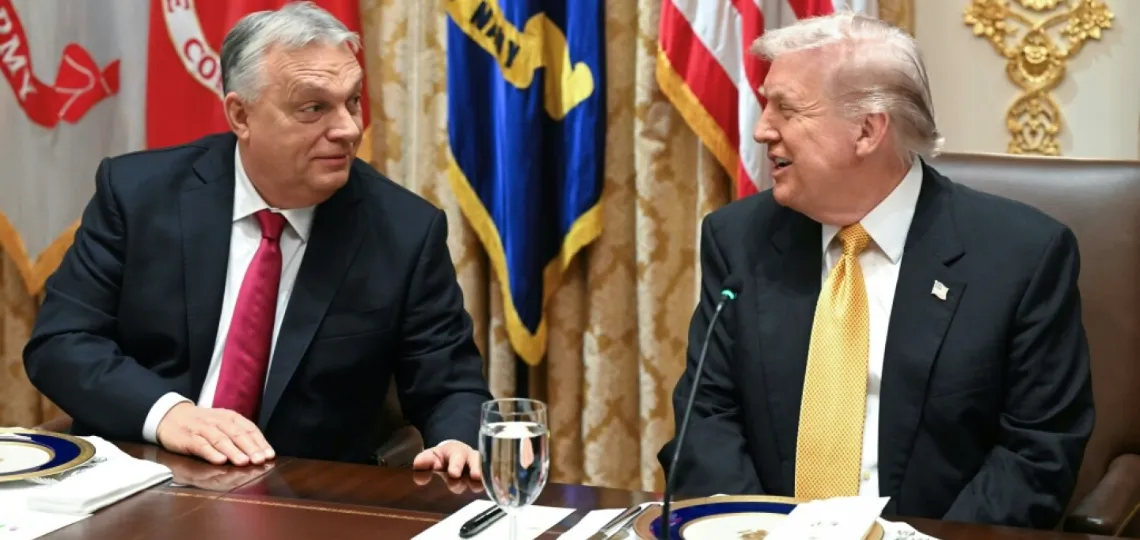
Hungary has signed a contract with US company Chevron to import 400mn m³ of LNG per year, while maintaining a structural dependence on Russian gas through a long-term agreement with Gazprom.
Chevron Australia awards Subsea7 a major contract for subsea installation on the Gorgon Stage 3 project, with offshore operations scheduled for 2028 at 1,350 metres depth.
Ovintiv has entered into an agreement with Pembina Pipeline Corporation to secure 0.5 million tonnes per annum of LNG liquefaction capacity over 12 years, strengthening its export outlook to Asian markets.
TotalEnergies has completed the sale of a minority stake in a Malaysian offshore gas block to PTTEP, while retaining its operator role and a majority share.
Venezuela has ended all energy cooperation with Trinidad and Tobago after the seizure of an oil tanker carrying crude by the United States, accusing the archipelago of participating in the military operation in the Caribbean.
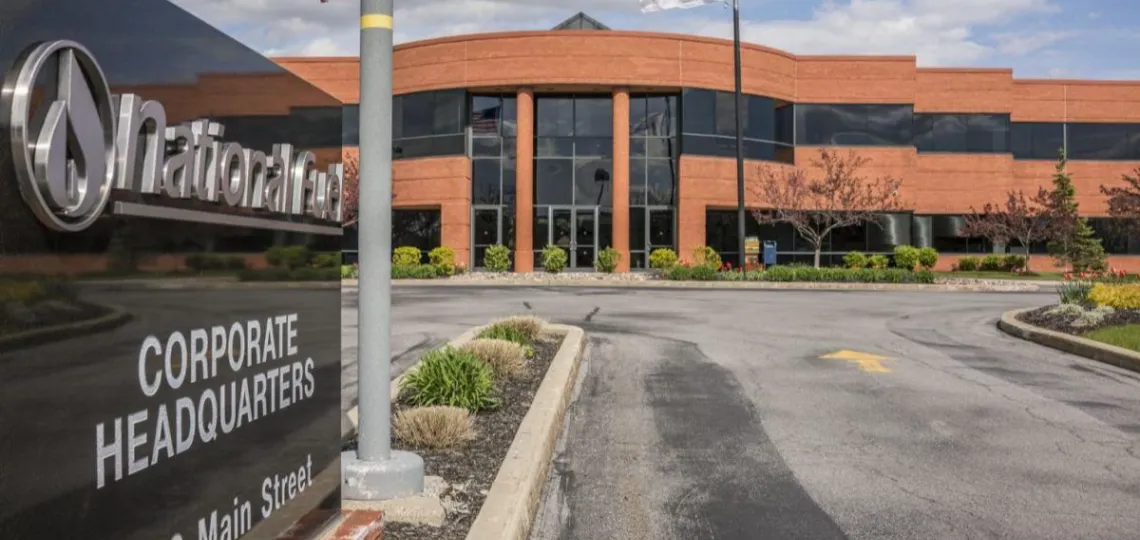
National Fuel has secured $350mn in a private placement of common stock with accredited investors to support the acquisition of CenterPoint’s regulated gas business in Ohio.
The United States is requesting a derogation from EU methane rules, citing the Union’s energy security needs and the technical limits of its liquefied natural gas export model.
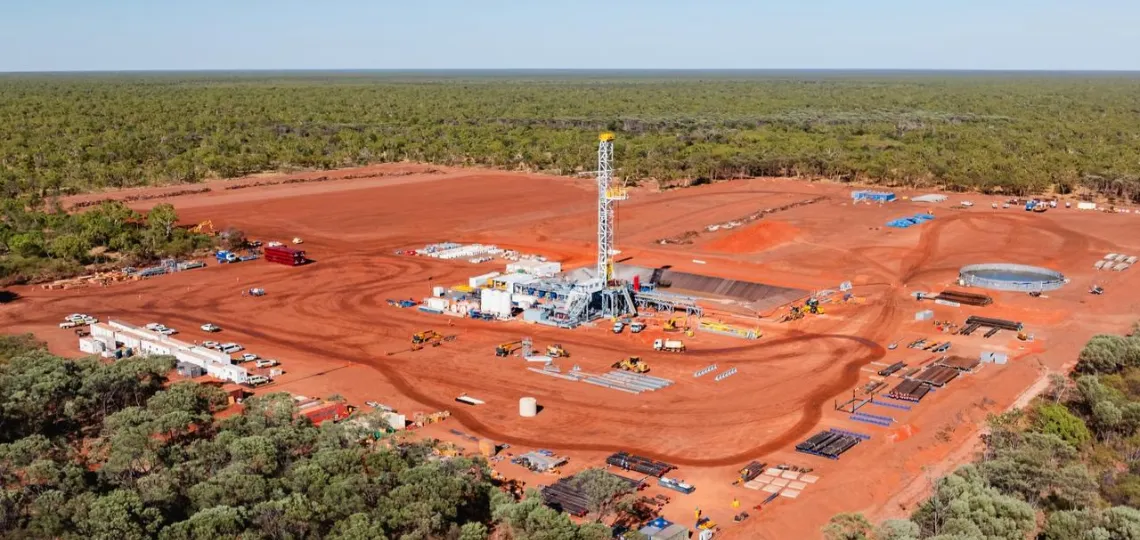
Falcon Oil & Gas and its partner Tamboran have completed stimulation of the SS2-1H horizontal well in the Beetaloo Sub-basin, a key step ahead of initial production tests expected in early 2026.
Gasunie Netherlands and Gasunie Germany have selected six industrial suppliers under a European tender to supply pipelines for future natural gas, hydrogen and CO₂ networks.
The ban on Russian liquefied natural gas requires a legal re-evaluation of LNG contracts, where force majeure, change-in-law and logistical restrictions are now major sources of disputes and contractual repricing.
The US House adopts a reform that weakens state veto power over gas pipeline projects by strengthening the federal role of FERC and accelerating environmental permitting.
Morocco plans to commission its first liquefied natural gas terminal in Nador by 2027, built around a floating unit designed to strengthen national import capacity.
An explosion on December 10 on the Escravos–Lagos pipeline forced NNPC to suspend operations, disrupting a crucial network supplying gas to power stations in southwestern Nigeria.
At an international forum, Turkmenistan hosted several regional leaders to discuss commercial cooperation, with a strong focus on gas and alternative export corridors.
The Australian government has launched the opening of five offshore gas exploration blocks in the Otway Basin, highlighting a clear priority for southeast supply security amid risks of shortages by 2028, despite an ambitious official climate policy.
BlackRock sold 7.1% of Spanish company Naturgy for €1.7bn ($1.99bn) through an accelerated bookbuild managed by JPMorgan, reducing its stake to 11.42%.