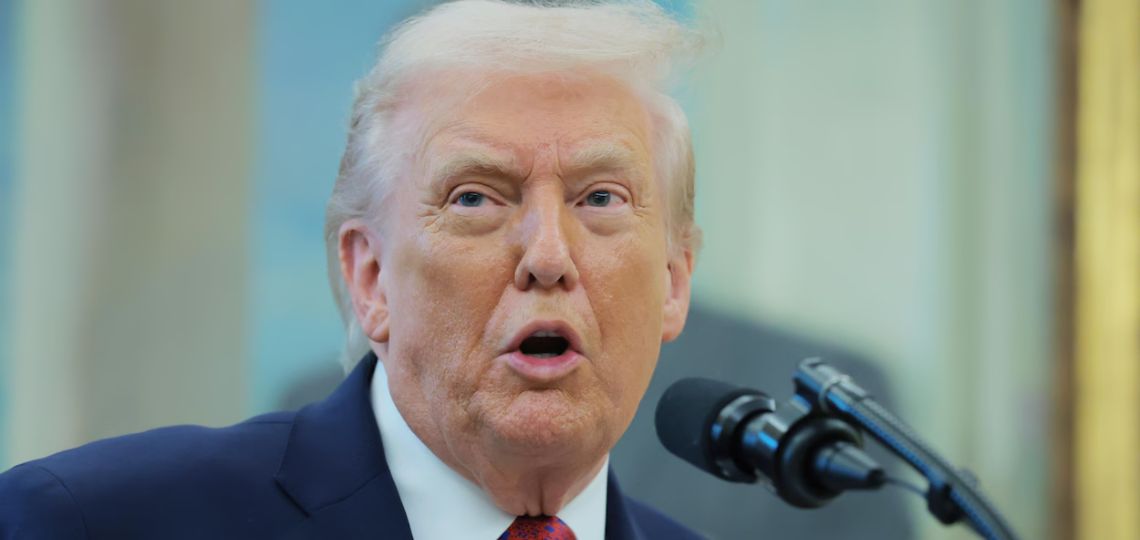
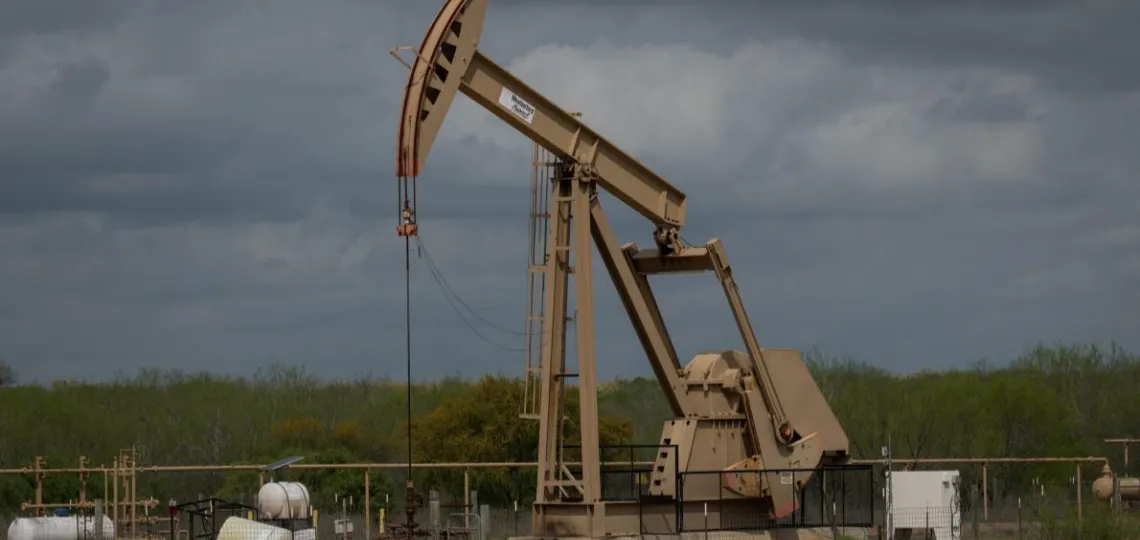
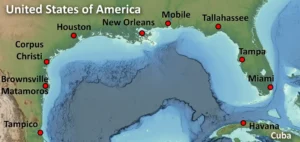
Washington has crossed a historic threshold by capturing Nicolas Maduro after years of sanctions and embargo. A look back at two decades of tensions and their implications for the global oil market.
Ecovyst has divested its Advanced Materials & Catalysts segment to Technip Energies, generating $530mn in net proceeds and reducing debt while refocusing on strategic priorities.
Canadian group Saturn Oil & Gas has consolidated its subsidiaries into a single structure to optimise oil investments and reduce long-term administrative costs.
Baker Hughes has completed the transfer of its surface pressure control business to Cactus in a majority joint venture, receiving $344.5 million to strengthen its liquidity and realign its industrial portfolio.
Occidental has completed the sale of its chemical subsidiary OxyChem to Berkshire Hathaway for $9.7bn, refocusing its activities on oil and gas. The transaction excludes the company’s historical environmental liabilities.
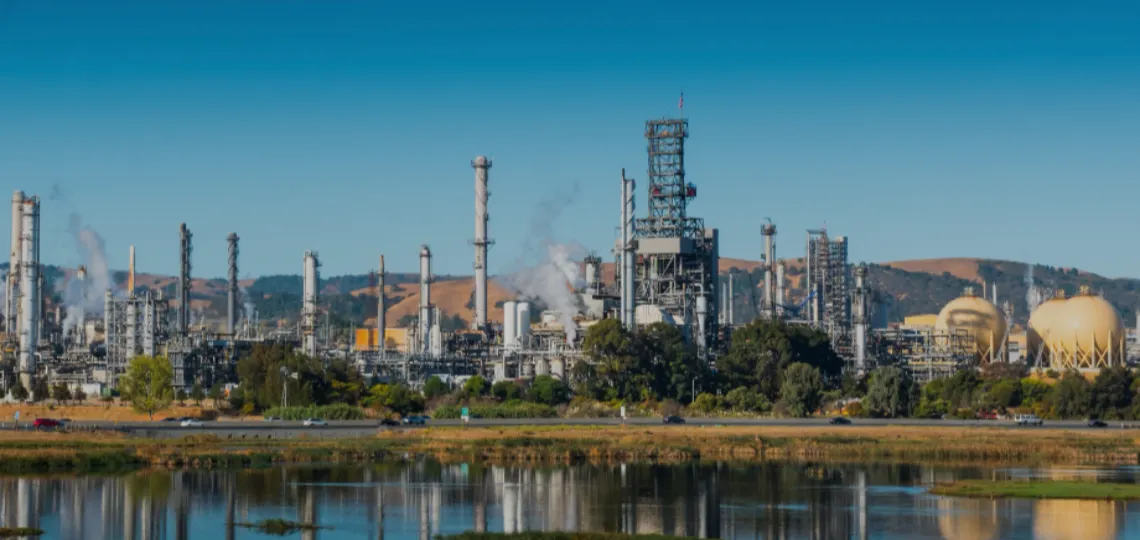
PBF Energy delays full resumption of operations at its Martinez, California refinery to February 2026 following a 2025 fire, while releasing throughput guidance for its entire refining network.
The Idaho Advanced Energy Consortium secured approval for its five strategic projects, now competing for $75mn in funding under the US Tech Hub programme.
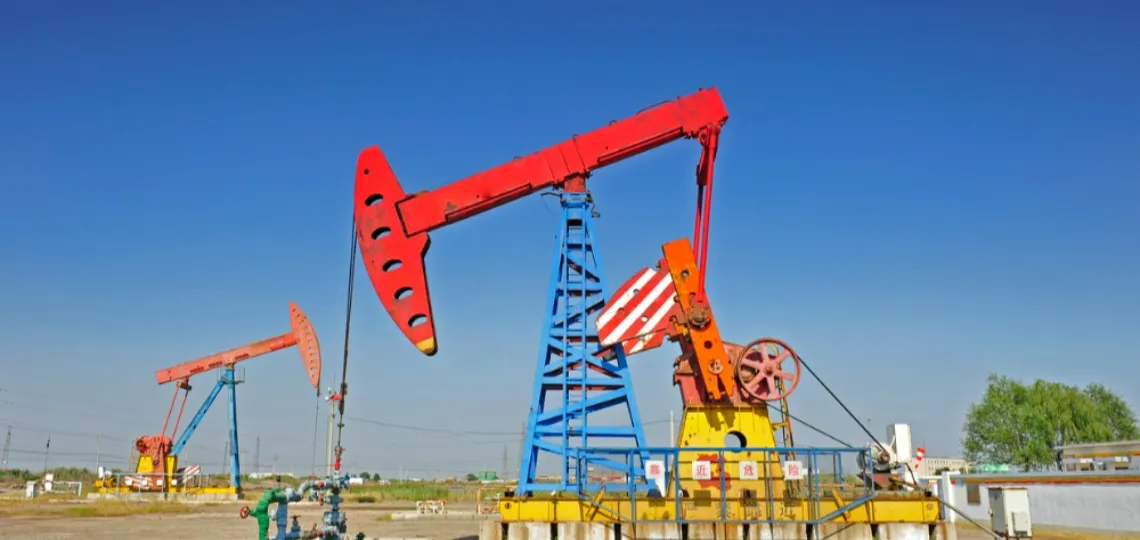
Chinese company CNOOC has started production at the Buzios6 project, raising the total capacity of the pre-salt oilfield to 1.15 million barrels per day.
Duke Energy has filed a permit application to assess the feasibility of a nuclear reactor in Stokes County on an existing power generation site, without committing to immediate construction.
With electricity demand accelerating, Asia-Pacific utilities must manage massive investment needs, volatile revenues and geopolitical tensions as the energy transition advances in a rapid but disorderly manner.
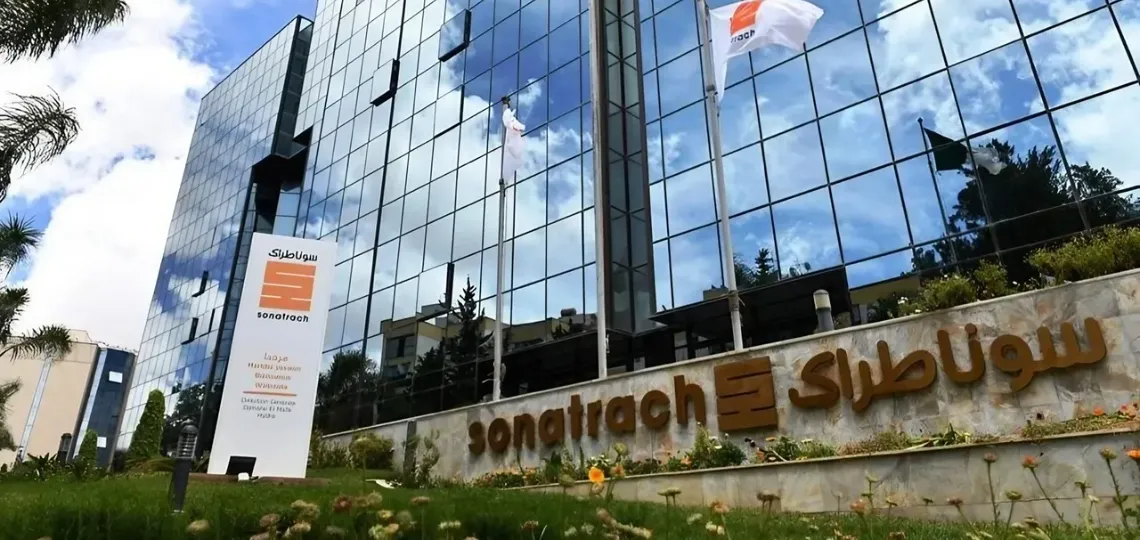
In response to rising domestic demand, Sonatrach adopts a five-year plan focused on increasing production, securing infrastructure, and maintaining export commitments.
PowerBank has completed a major regulatory step for its landfill-based solar installation, moving ahead with permitting for a 2.1 MW community project in upstate New York.
NU E Power Corp. closed a first financing tranche of $625,003 to support interconnection projects in Alberta and international feasibility studies, marking a new phase in the deployment of its energy infrastructure network.
Indian solar module manufacturer Emmvee has commissioned a new 2.5 GW production unit in Karnataka, raising its total capacity to 10.3 GW and triggering a 6% rise in its share price on the BSE.
The South Korean nuclear regulator has approved the launch of the 1,400-megawatt Saeul 3 reactor, beginning with a six-month pilot phase before full commercial operation.
The Indonesian government plans to limit mining output in 2026 to stabilise commodity prices and increase fiscal revenues, according to the Minister of Energy and Mineral Resources.
Pipeline natural gas deliveries from Russia to the European Union dropped by 44% in 2025, reaching their lowest level in five decades following the end of transit via Ukraine.
Ankara is preparing a maritime exploration agreement with Damascus for 2026, marking a new phase in bilateral energy cooperation following a diplomatic rapprochement launched in 2025.
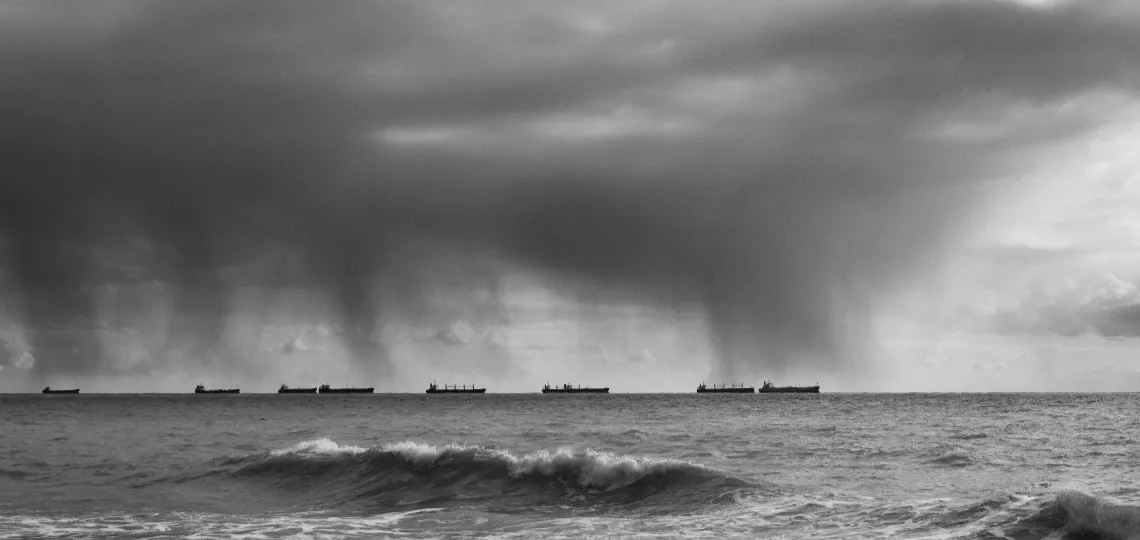
The Venezuelan national oil company has confirmed the continuity of its crude exports, as the United States enforces a maritime blockade targeting sanctioned vessels operating around the country.
The United States has implemented a full blockade on sanctioned tankers linked to Venezuela, escalating restrictions on the South American country's oil flows.
Deliveries of energy petroleum products fell by 4.5% in November, driven down by a sharp decline in diesel, while jet fuel continues its growth beyond pre-pandemic levels.
ReconAfrica is finalising preparations to test the Kavango West 1X well in Namibia, while expanding its portfolio in Angola and Gabon to strengthen its presence in sub-Saharan Africa.
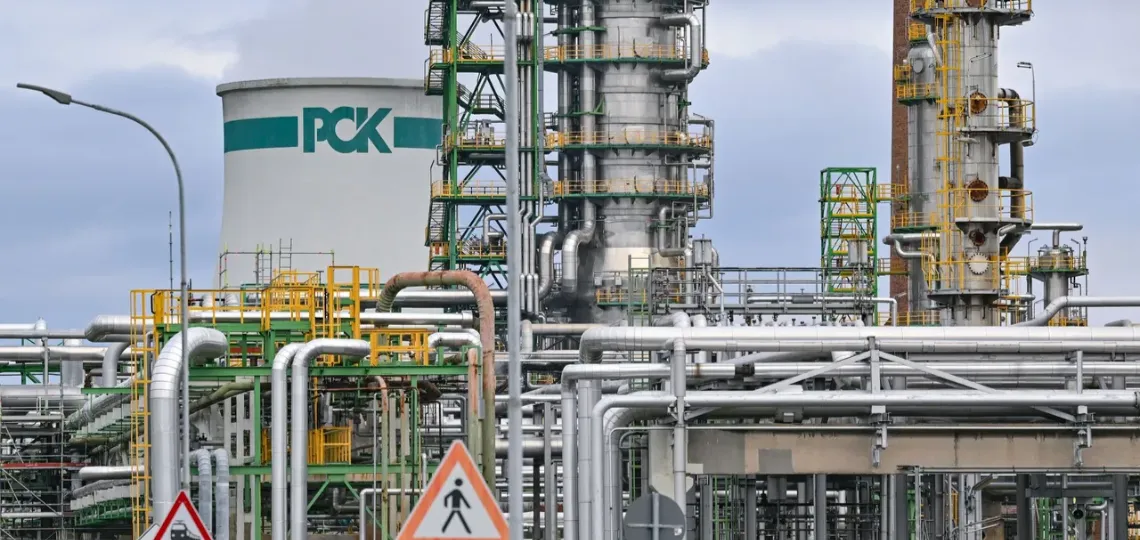
Shell has reopened a divestment process for its 37.5% stake in Germany's PCK Schwedt refinery, reviving negotiations disrupted by the Russia-Ukraine conflict and Western sanctions.
Aliko Dangote accuses Nigeria’s oil regulator of threatening local refineries by enabling refined fuel imports, while calling for a corruption probe against its director.
Shell Offshore approves a strategic investment to extend the life of the Kaikias field through a waterflood operation, with first injection planned for 2028 from the Ursa platform.
Oil prices drop amid progress in Ukraine talks and expectations of oversupply, pushing West Texas Intermediate below $55 for the first time in nearly five years.
The US energy group plans to allocate $1.3bn to growth and $1.1bn to asset maintenance, with a specific focus on natural gas liquids and refining projects.
Venezuelan state oil group PDVSA claims it was targeted by a cyberattack attributed to foreign interests, with no impact on main operations, amid rising tensions with the United States.
BUTEC has finalised the financing of a 50 MW emergency power project in Burkina Faso, structured under a BOOT contract and backed by Banque Centrale Populaire Group.
BW Energy has signed a long-term lease agreement with Minsheng Financial Leasing for its Maromba B platform, covering $274mn of the project’s CAPEX, with no payments due before first oil.
Shell will restart offshore exploration on Namibia’s PEL 39 block in April 2026 with a five-well drilling programme targeting previously discovered zones, despite a recent $400mn impairment.
Iranian authorities intercepted a vessel suspected of fuel smuggling off the coast of the Gulf of Oman, with 18 South Asian crew members on board, according to official sources.
Harbour Energy will acquire Waldorf Energy Partners’ North Sea assets for $170mn, increasing its stakes in the Catcher and Kraken fields, while Capricorn Energy settles part of its claims.
The United States intercepted an oil tanker loaded with Venezuelan crude and imposed new sanctions on maritime entities, increasing pressure on Nicolas Maduro’s regime and its commercial networks in the Caribbean.
OPEC expects crude demand from its members to reach 43 million barrels per day in 2026, nearly matching current OPEC+ output, contrasting with oversupply forecasts from other institutions.
The United States seized a vessel suspected of transporting sanctioned oil from Iran and Venezuela, prompting a strong reaction from Nicolás Maduro's government.