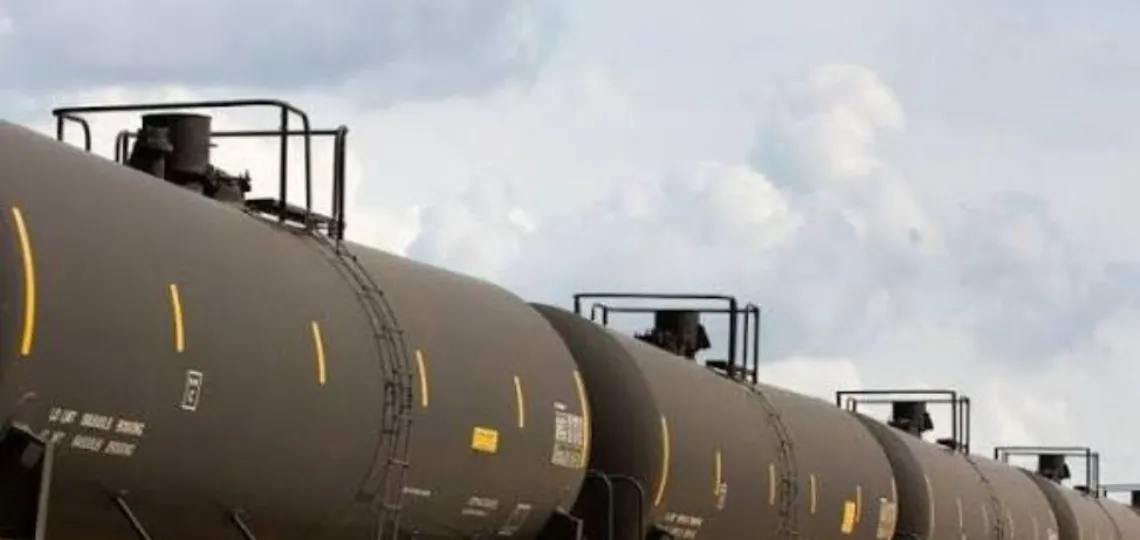
A railway convoy of 22 wagons carrying AI-95 gasoline produced by the State Oil Company of the Republic of Azerbaijan (SOCAR) crossed the Georgian-Armenian border at Ayrum station on December 19. This marks the first public fuel delivery between the two countries in decades. The transport was conducted through Georgian territory in the absence of a functional direct infrastructure between Azerbaijan and Armenia.
A discreet shipment for a symbolic operation
The declared volume varies slightly between sources, ranging from 1,210 to 1,300 tonnes, without dispute of the event itself. These differences may stem from variations in measurement standards between gross and net tonnage, or logistical rounding. No political discount has been mentioned: Armenian authorities refer to a market-aligned price. The buyer’s name remains confidential, a practice likely intended to manage internal reputational risk in a still-sensitive climate.
Tripartite coordination and absence of public friction
Available information indicates that the delivery resulted from late-November discussions between Armenian and Azerbaijani government representatives. Georgia, as the transit country, plays a technical but strategic role in this operation by ensuring the rail and customs flow of the cargo. Railway operators and border authorities handled the shipment with no reported incidents.
A contractual flow under strict requirements
The logistical success of this initial delivery relies on strong contractual elements: insurance coverage, customs documentation, bank transfer, and regulatory compliance. These conditions make this flow a tangible operational test of normalisation, beyond political declarations.
Increased pressure on origin traceability
European authorities are currently strengthening controls on the origin of refined petroleum products, particularly to identify any exposure to Russian crude. Although there is no indication that this shipment is affected, regional operators are encouraged to thoroughly document their supply chain. This involves precise contractual clauses and full traceability to avoid potential blocks by financial institutions.
Moderate but structural economic impacts
The immediate impact on the Armenian market remains limited due to modest volumes. However, this operation paves the way for repeated deliveries, potentially extended to other fuels such as diesel or liquefied petroleum gas (LPG). Georgia, as a logistical intermediary, becomes a critical point for customs and rail fluidity, upon which the viability of future shipments depends.
A precedent shaping future relations
For SOCAR, this delivery highlights the economic effects of regional easing while introducing new compliance requirements if flows expand internationally. For Armenian importers, the operation opens a new sourcing avenue executed with caution. On a geopolitical level, it demonstrates the feasibility of functional cooperation in an unstable context.