SMRs drive private partnerships in American nuclear and clean fuels

A memorandum of understanding between four companies opens the way for industrial development around compact nuclear reactors, integrating hydrogen production, synthetic fuels, and digital infrastructure.

Share:

Comprehensive energy news coverage, updated nonstop

Annual subscription

8.25$/month*

*billed annually at 99$/year for the first year then 149,00$/year ​

Unlimited access • Archives included • Professional invoice

OTHER ACCESS OPTIONS

Monthly subscription

Unlimited access • Archives included

5.2$/month*
then 14.90$ per month thereafter

FREE ACCOUNT

3 articles offered per month

FREE

*Prices are excluding VAT, which may vary depending on your location or professional status

Since 2021: 35,000 articles • 150+ analyses per week

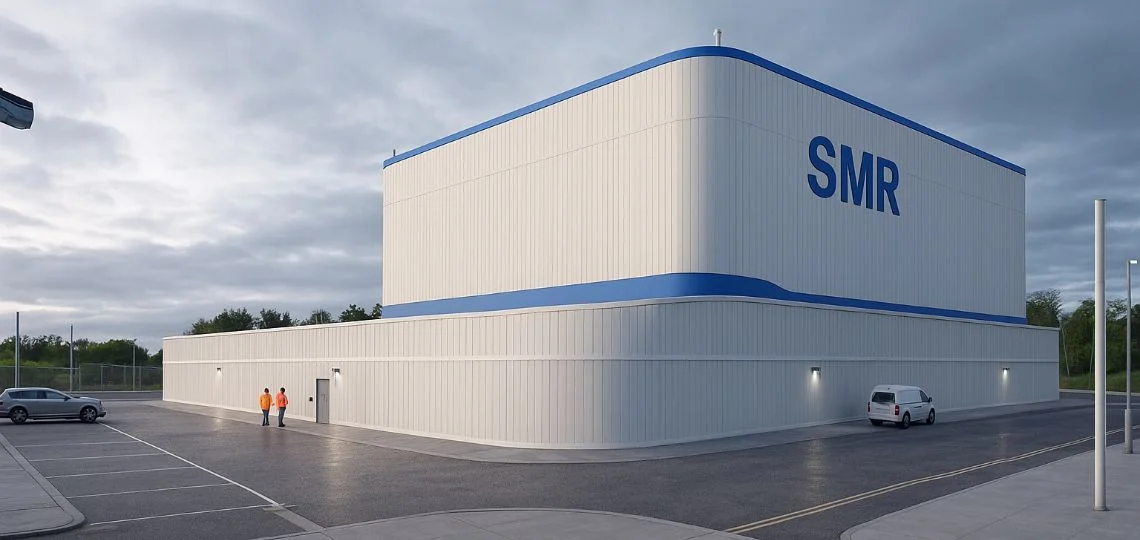
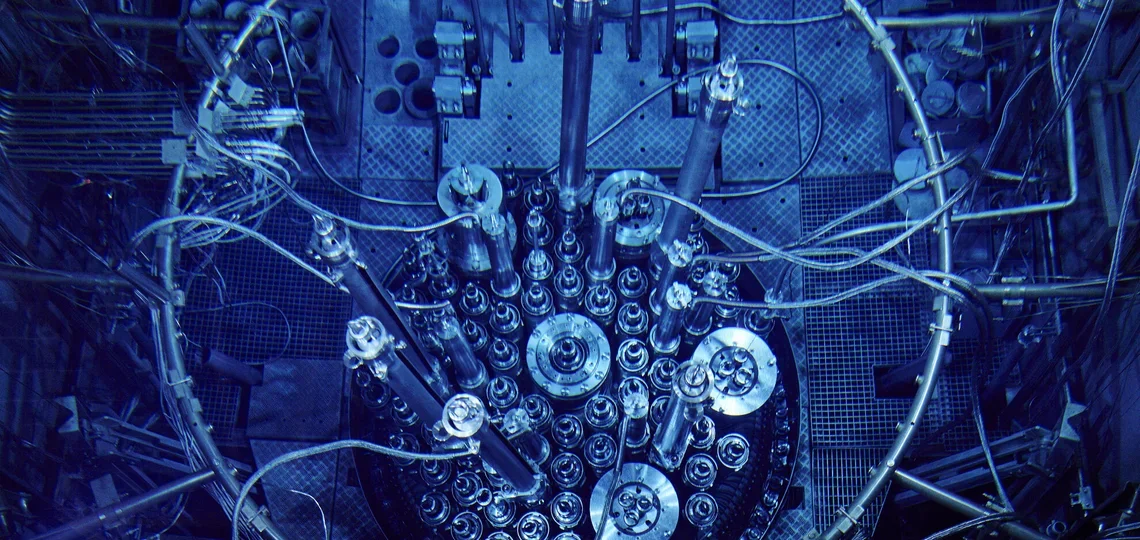
Small Modular Reactors (SMRs) are emerging as a strategic lever in the reshaping of the American energy market. DevvStream Corp., IP3 Corporation, Southern Energy Renewables Inc., and XCF Global Inc. have signed a non-binding memorandum of understanding to assess a collaborative framework around electricity production from SMRs, the manufacturing of sustainable aviation fuels, and the monetisation of environmental attributes. This initiative aims to build an integrated low-carbon energy production model for critical industrial applications.
A response to continuous energy demand for industry

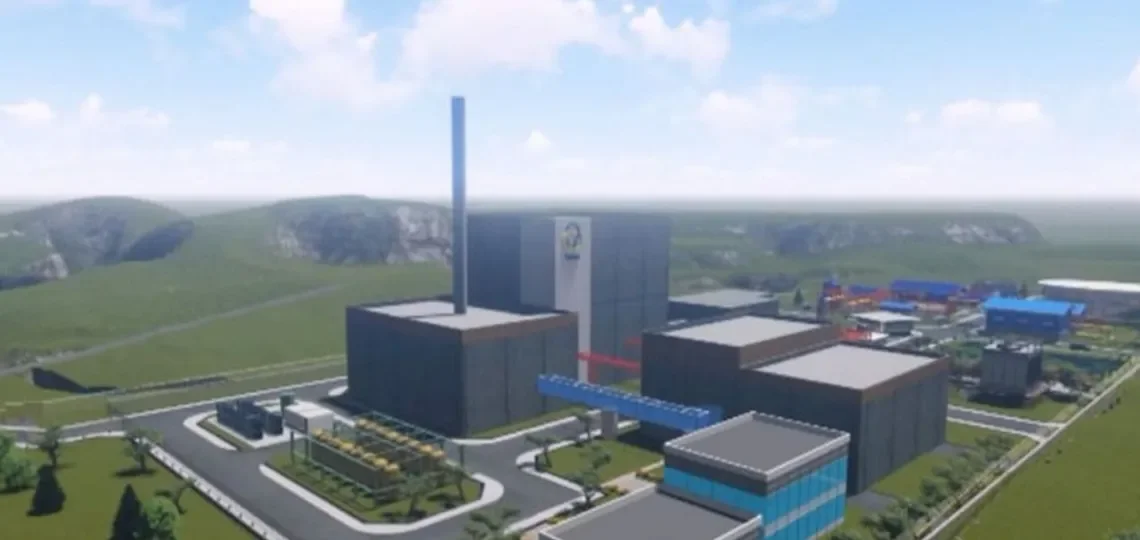
If definitive agreements are reached, the project would provide stable electricity to high-consumption sites such as data centres, synthetic fuel refineries, or industrial platforms. The framework plans to use electricity generated by SMRs to support electrolysis processes, hydrogen production, and the synthesis of low-carbon fuels, including within a proposed refinery project in Louisiana. Surplus energy production could also be offered to third-party industrial clients through power purchase agreements.

The signatories see this collaboration as a way to accelerate the construction of critical energy infrastructure based on recent nuclear technologies. The goal is to combine supply reliability with industrial decarbonisation capabilities in a context of sustained energy demand growth, particularly in the digital and manufacturing sectors.

Environmental structuring and attribute monetisation

Beyond energy production, the partners aim to establish an ecosystem for the monetisation of environmental attributes that comply with evolving market requirements. Tools under consideration include Sustainable Aviation Fuel (SAF) certificates and book-and-claim systems, allowing companies to claim verified emissions reductions even without physical fuel delivery. These frameworks would address the needs of businesses facing increasing regulatory and reporting obligations or pursuing carbon neutrality targets.

The agreement also includes plans to develop a digital infrastructure to ensure transparency and auditability. The use of digital Measurement, Reporting, and Verification (MRV) systems is under discussion, as well as the tokenisation of environmental assets. This approach seeks to guarantee traceability of emissions reductions while facilitating their exchange on secondary markets.

An industrial strategy geared toward export and digital markets

The proposed model could be expanded internationally, especially in Europe, where demand for sustainable fuels and stable electricity sources is rising. IP3 Corporation, one of the signatories, aims to develop SMR platforms serving both government and commercial clients. This strategy addresses the growing energy needs of data centres powered by artificial intelligence, national defence, and advanced production chains.

Meanwhile, other nuclear sector players continue to advance their own initiatives. Constellation Energy Corporation was recently awarded for a long-term power purchase agreement with Microsoft, leading to the restart of a nuclear unit in Pennsylvania. NuScale Power Corporation supports its strategic partner ENTRA1 Energy in a U.S.-Japan investment programme that could mobilise up to $25bn to build a fleet of SMR plants with specific objectives in defence, AI, and heavy industry.

A growing nuclear market despite persistent constraints

According to several research firms, the global nuclear market is expected to reach between $38bn and $42bn in 2026, up from approximately $40.48bn in 2025. This trend reflects the increasing reliance of states on dispatchable low-carbon electricity sources. While SMRs are gaining traction, the nuclear sector still faces structural constraints, including high upfront capital costs, long construction timelines, and public concerns over safety and waste management.

Nevertheless, deploying civil nuclear technology for targeted industrial uses, alongside digital and environmental monetisation mechanisms, could strengthen the role of this technology in a rapidly evolving energy mix. The approach taken by DevvStream, IP3, Southern, and XCF illustrates a move toward energy specialisation through intersectoral partnerships and integrated technology platforms.

Duke Energy has filed a permit application to assess the feasibility of a nuclear reactor in Stokes County on an existing power generation site, without committing to immediate construction.
The South Korean nuclear regulator has approved the launch of the 1,400-megawatt Saeul 3 reactor, beginning with a six-month pilot phase before full commercial operation.
Ankara confirmed new Russian funding for the Akkuyu project, Turkey’s first nuclear site, strengthening its energy ties with Moscow and advancing its domestic nuclear ambitions.
Niger’s military regime disputes theft allegations by French prosecutors after uranium stock vanished from a nationalised site previously operated by Orano.
Rosatom successfully completed a series of tests on its high-temperature gas-cooled reactor fuel, validating its performance at up to 1,700 °C under prolonged irradiation conditions.
Videberg Kraft AB becomes the first company to request government support to build two new reactors at the Ringhals site, under the national nuclear investment framework adopted in 2025.
The European Commission opens an in-depth investigation into Prague's public funding of a major nuclear project, which could reach €30bn ($32.88bn), with guaranteed revenues over forty years.
Niigata's assembly officially backs the restart of the Kashiwazaki-Kariwa site, marking a key step in Japan’s return to nuclear energy following the 2011 Fukushima disaster.
The Japanese government plans to fund up to 30% of loans required for nuclear projects, aiming to accelerate reactor restarts and double the share of nuclear energy in its energy mix by 2040.
French nuclear reactor developer Newcleo has submitted its lead-cooled small modular reactor design to Euratom, initiating the first regulatory phase to integrate nuclear non-proliferation safeguards at the European level.
French state utility EDF has increased the maximum estimated cost for building six new nuclear reactors to €72.8 billion ($85.29 billion), representing a 40% rise over the original figure.
US-based Holtec has signed a memorandum of understanding with Hungary’s energy group MVM to assess the deployment of its SMR-300 technology, strengthening bilateral nuclear cooperation and opening prospects for a new market in Central Europe.
California-based startup Radiant has secured $300mn to build its first factory in Tennessee and prepare for the mass production of miniature nuclear reactors for off-grid applications.
Terra Innovatum has increased its interactions with the Nuclear Regulatory Commission to advance licensing of its SOLO™ micro-modular reactor, despite the partial shutdown of the US federal government.
The US nuclear regulator has extended the operating licences of three Illinois reactors by 20 years, strengthening Constellation's long-term industrial outlook for the Clinton and Dresden sites.
The SATURNE Industrial Chair aims to develop innovative uranium extraction methods, with joint funding from Orano and the National Research Agency over a four-year period.
US-based X-energy has signed a reservation agreement with South Korea's Doosan Enerbility to secure key components for its small modular nuclear reactors.
Niger expands its mining alliances with Uranium One to develop new sites, while the Dasa project continues seeking financing despite clear political backing.
Samsung Heavy Industries has received Approval in Principle for a floating nuclear plant featuring two SMART100 reactors, marking a step toward the commercialisation of offshore small modular reactors.
The Indian government proposes a unified legal framework for nuclear energy, aiming to boost private investment and increase installed capacity to 100 GW by 2047.

All the latest energy news, all the time

Annual subscription

8.25$/month*

*billed annually at 99$/year for the first year then 149,00$/year ​

Unlimited access - Archives included - Pro invoice

Monthly subscription

Unlimited access • Archives included

5.2$/month*
then 14.90$ per month thereafter

*Prices shown are exclusive of VAT, which may vary according to your location or professional status.

Since 2021: 30,000 articles - +150 analyses/week.