Sinopec accelerates on SAF and carbon credits to secure European markets by 2025
The Chinese giant targets 120 kt of SAF trading in 2025 and expands into European carbon markets, banking on ReFuelEU and CORSIA mandates to capture growing regulated demand.
| Sectors | Carbon, Alternative Fuels, Carbon Market, SAF |
|---|---|
| Themes | Markets & Finance, Trading |
| Companies | Sinopec, Commission européenne |
| Countries | China |
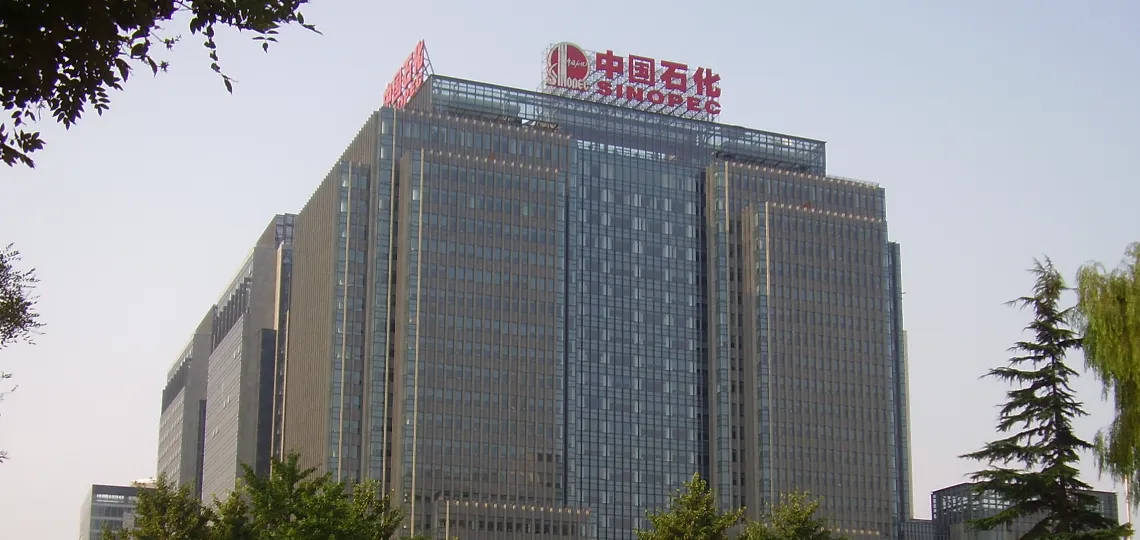
China Petroleum & Chemical Corporation (Sinopec) is ramping up efforts to position itself as a key supplier of Sustainable Aviation Fuel (SAF) and carbon offsets to the European market. Its stated goal is to reach 120 kilotonnes of SAF trading volumes in 2025, leveraging the RSB (Roundtable on Sustainable Biomaterials) certification of its Zhenhai refinery, which has an annual production capacity of 100 kilotonnes via the HEFA (Hydroprocessed Esters and Fatty Acids) pathway.
An integrated strategy combining molecule and carbon
Regulatory momentum is pushing this growth. The ReFuelEU Aviation regulation requires 2% SAF blending in fuel supplied to European Union airports starting in 2025, rising to 6% by 2030. Simultaneously, the CORSIA (Carbon Offsetting and Reduction Scheme for International Aviation), led by the International Civil Aviation Organization (ICAO), enters its compliance phase for the 2024–2026 period. Airlines must offset emissions growth through eligible carbon credits or certified SAF.
To meet these requirements, Sinopec is offering bundled solutions: certified SAF volumes combined with tradeable carbon credits, mainly from China’s domestic Emissions Trading System (ETS), which is being extended to heavy industry sectors such as cement and aluminium. This dual positioning enables higher margins by exploiting the SAF/jet A-1 spreads and the value differentials between Chinese (CCER) and European (EUA) carbon credits.
Feedstock pressure and logistical arbitrage
The HEFA supply chain, largely based on used cooking oil (UCO), remains constrained by feedstock availability and price volatility. Increasing competition for these inputs, driven by EU mandates, heightens pressure on margins and production costs. Sinopec is investing in infrastructure upgrades at Zhenhai to improve unit yields and reduce SAF production costs.
Logistical decisions around exports from Asia to Europe depend on regional SAF premiums, maritime freight costs and storage capabilities. From 2025, European airports with more than 800,000 passengers are required to facilitate SAF access, creating predictable outlets for exported volumes.
Regulatory alignment and geopolitical anchoring
Zhenhai’s RSB certification streamlines access to the EU market, which demands full Life Cycle Assessment (LCA) traceability and compliance with ASTM standards. Sinopec also aims to expand its presence in international carbon markets by opening registry accounts through EU-based entities, allowing direct operations on the carbon credit markets.
The gradual convergence of carbon markets, combined with China’s regulatory shift enabling domestic credit generation, offers Sinopec a strategic window to link SAF flows with offset offerings. This setup addresses mounting compliance pressures on airlines while reinforcing Sinopec’s credibility in a tightly regulated environment.