Singareni Collieries launches India’s first pilot geothermal power plant
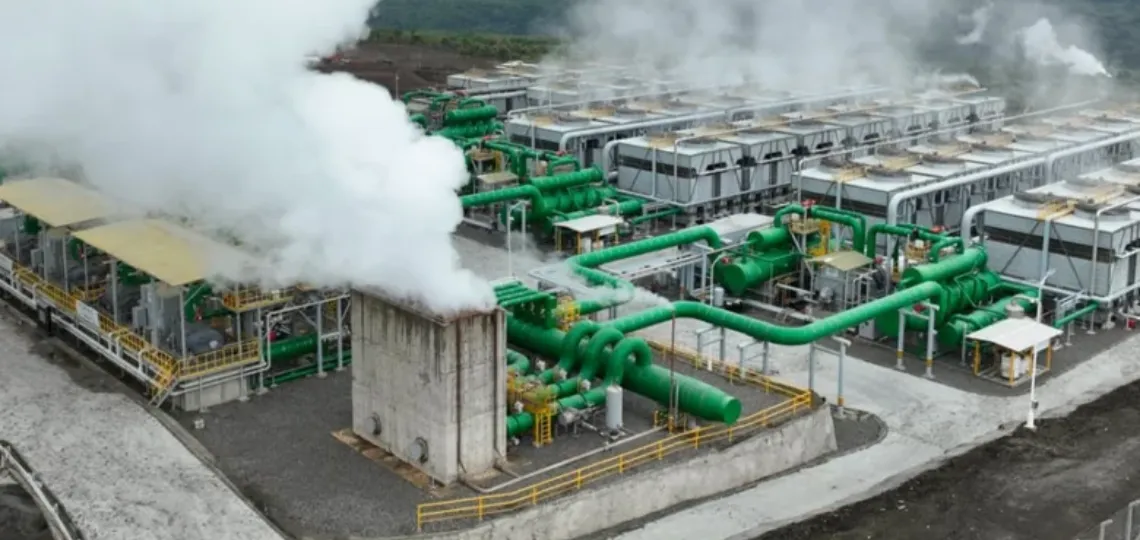
Singareni Collieries Company Limited has inaugurated an experimental 20 kW geothermal power plant in Telangana, marking a major step forward for renewable energy in India.
| Sectors | Geothermal Energy, Deep Heat |
|---|---|
| Themes | Project Development, Announcement |
| Countries | India |
India’s state-owned mining company Singareni Collieries Company Limited (SCCL) has commissioned an experimental 20 kW power plant in the Manuguru region, Bhadradri Kothagudem district, Telangana.
Using binary ORC (Organic Rankine Cycle) technology, this plant is the first of its kind in India.
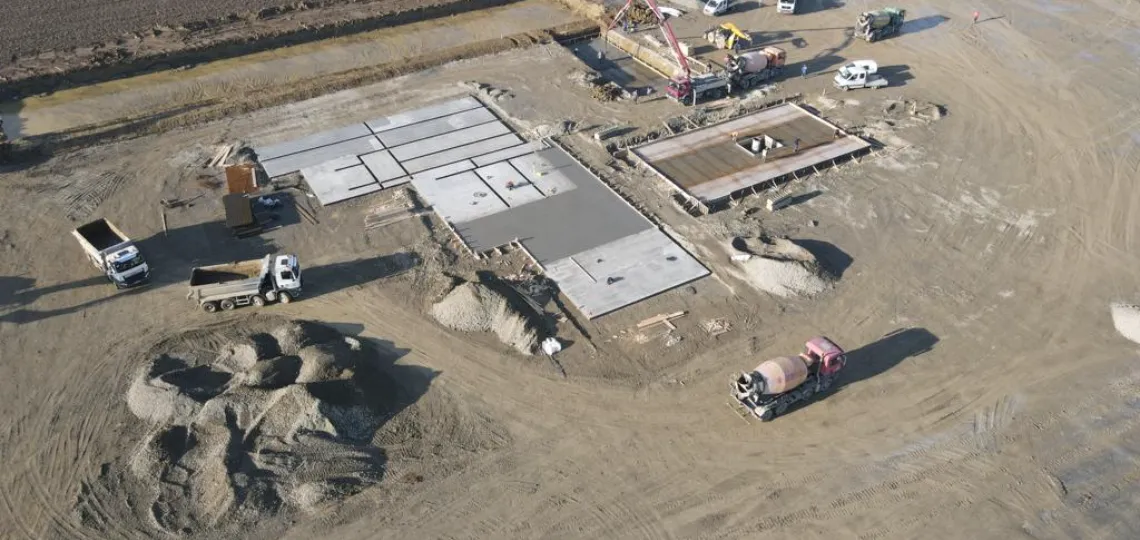
Work on the project began in 2021, supported by the Ministry of Coal with funding of INR 2.42 Crores (approx. USD 288,000).
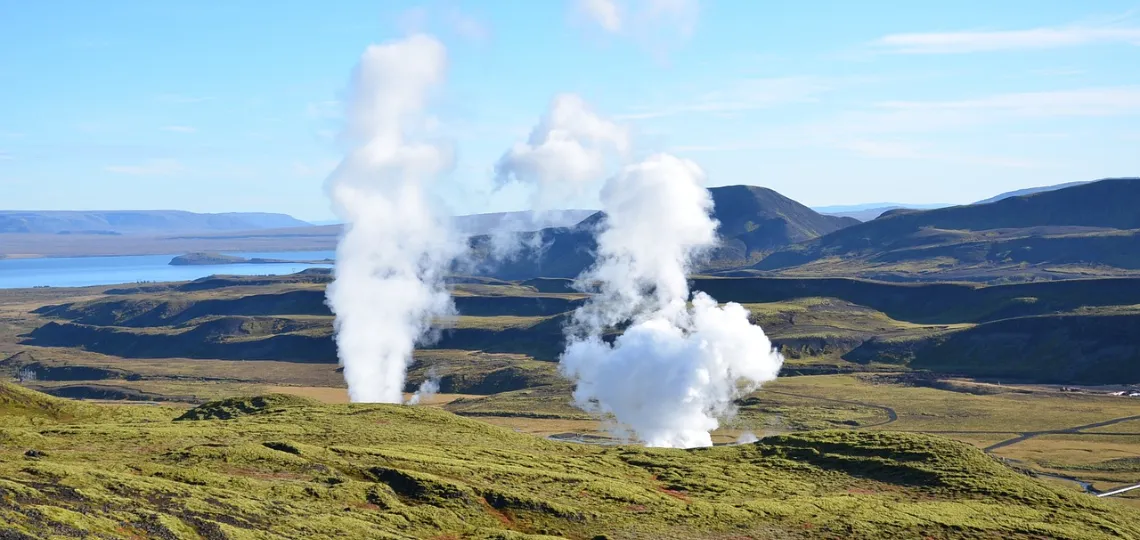
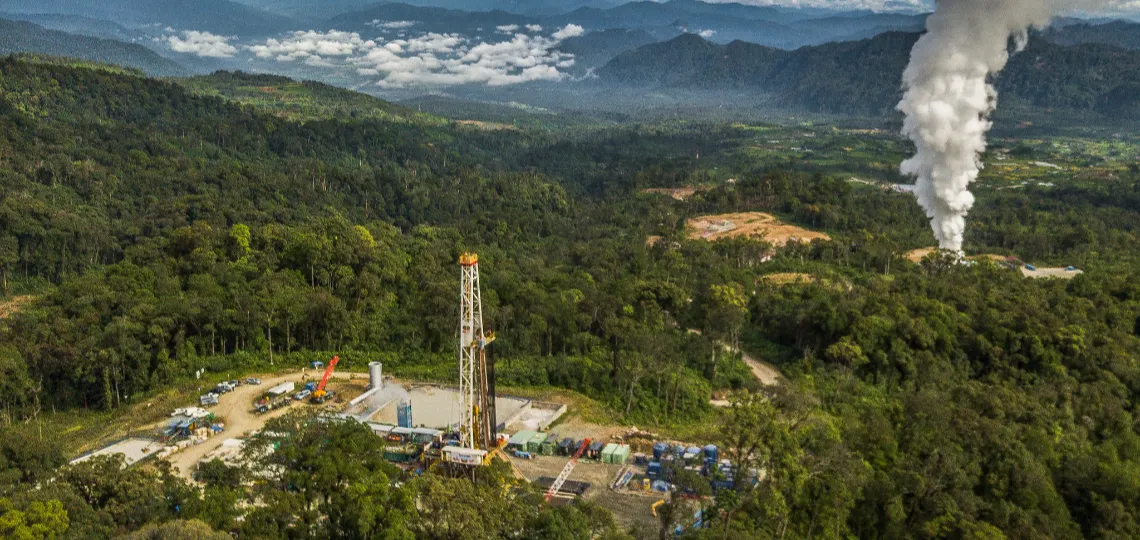
The geothermal resources were discovered while drilling for coal reserves.
Local residents were already using these hot springs for agriculture and laundry.
The hot water resources, located at a depth of 1,000 meters, are of sufficient temperature to generate electricity.
Technology development and collaboration
India’s Ministry of New and Renewable Energy (MNRE), through its Renewable Energy Research and Technology Development (RE-RTD) Program, plays a key role in the advancement of this energy.
This program fosters collaborative initiatives between various players in research and industry to develop efficient, cost-effective indigenous technologies.
Apart from Telangana, exploratory work and resource assessments are underway in the Ladakh region of north-west India and Arunachal Pradesh in the north-east.
Earlier this year, Oil India Limited (OIL) announced detailed studies and surveys to assess the geothermal potential of the Arunachal Pradesh and Assam regions.
In Ladakh, drilling for a geothermal project by ONGC recently resumed after a two-year hiatus.
Development prospects
According to SCCL, Manuguru stands out among the more than 300 geothermal sites in India, with an estimated potential of up to 122 MW.
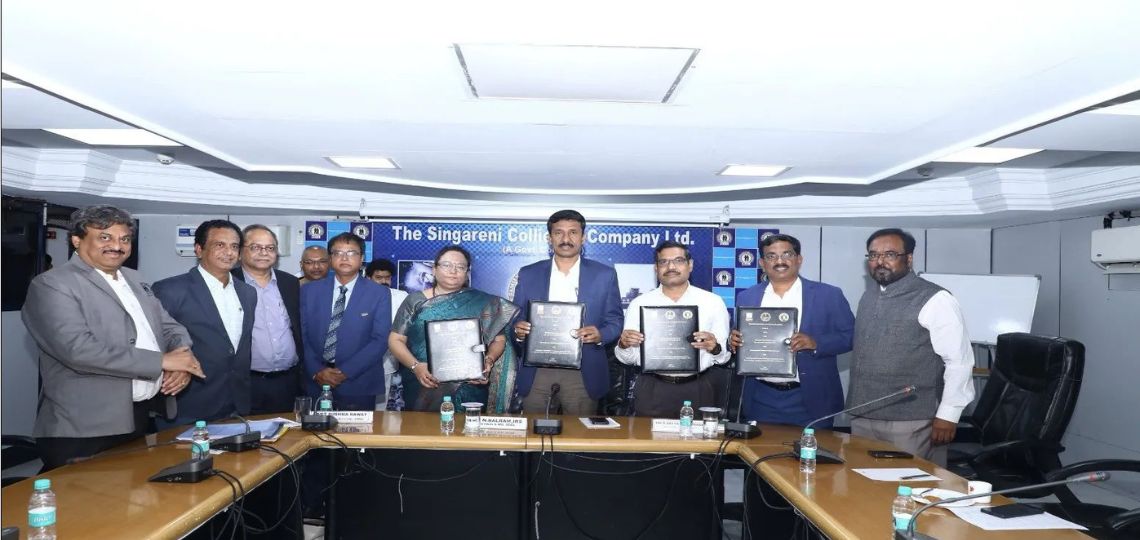
To fully exploit this potential, SCCL signed a memorandum of understanding with ONGC and Telangana State Renewable Energy Development Corporation Ltd (TGREDCO) for the exploration and development of the Manuguru geothermal field.
This tripartite protocol was signed on August 2, 2024.
The success of this experimental plant could pave the way for a wider expansion of geothermal energy in India, helping to diversify the country’s energy mix and reduce its dependence on fossil fuels.
Ongoing initiatives to explore and develop geothermal resources in other parts of the country demonstrate a growing commitment to renewable and sustainable energy solutions.
India, through collaborations between government agencies, public companies and research initiatives, is showing a determination to harness its natural resources to meet its growing energy needs in an environmentally friendly way.
The success of such projects could also inspire other countries to explore the potential of this renewable energy source.