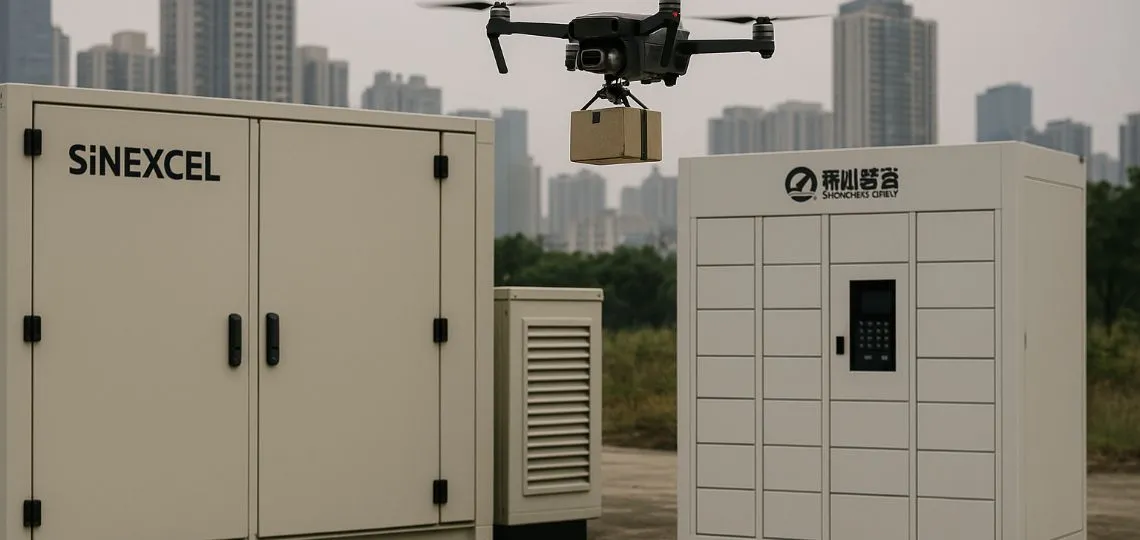
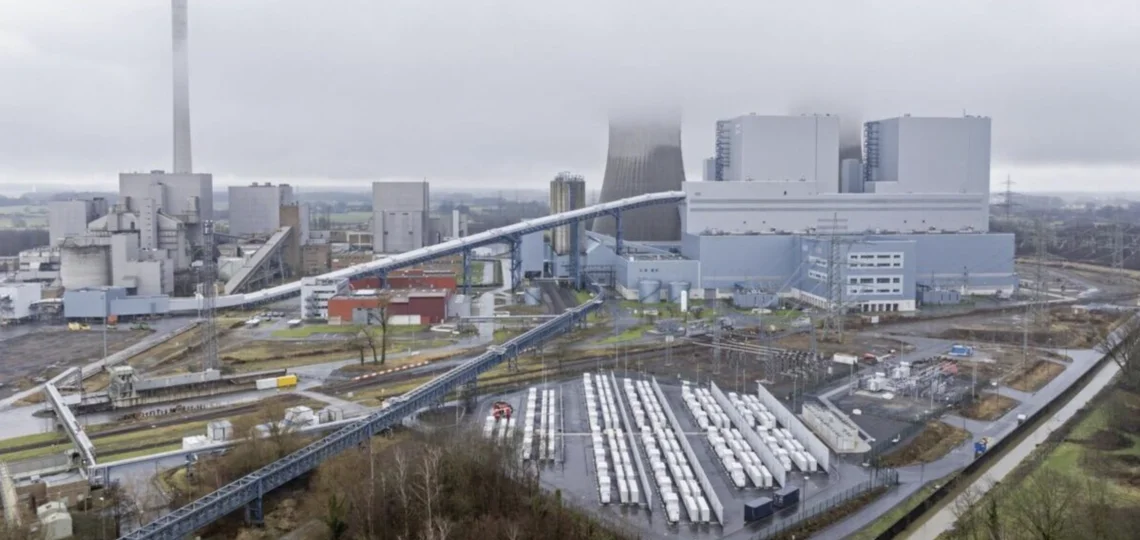
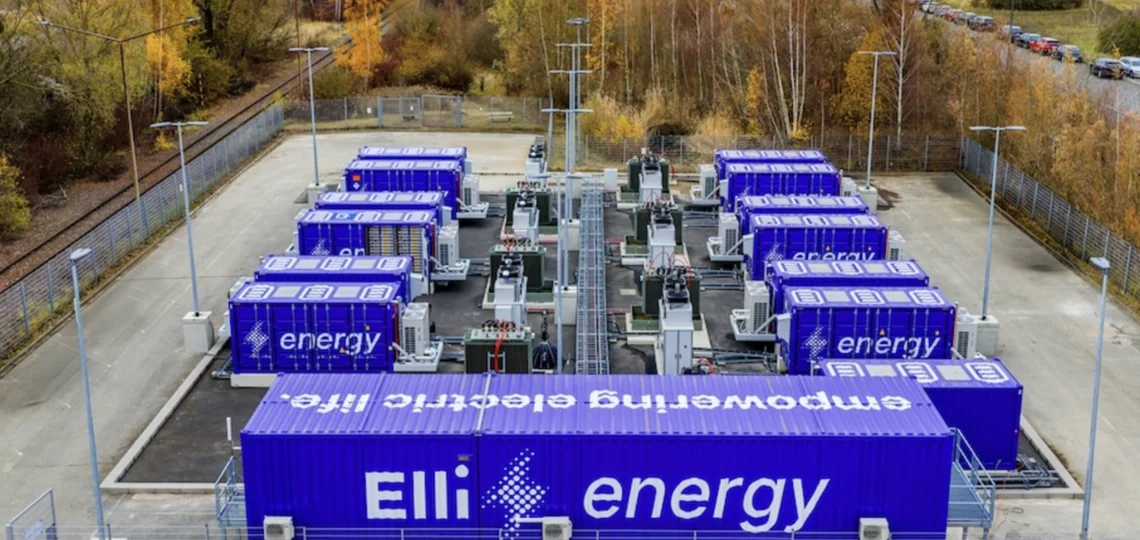
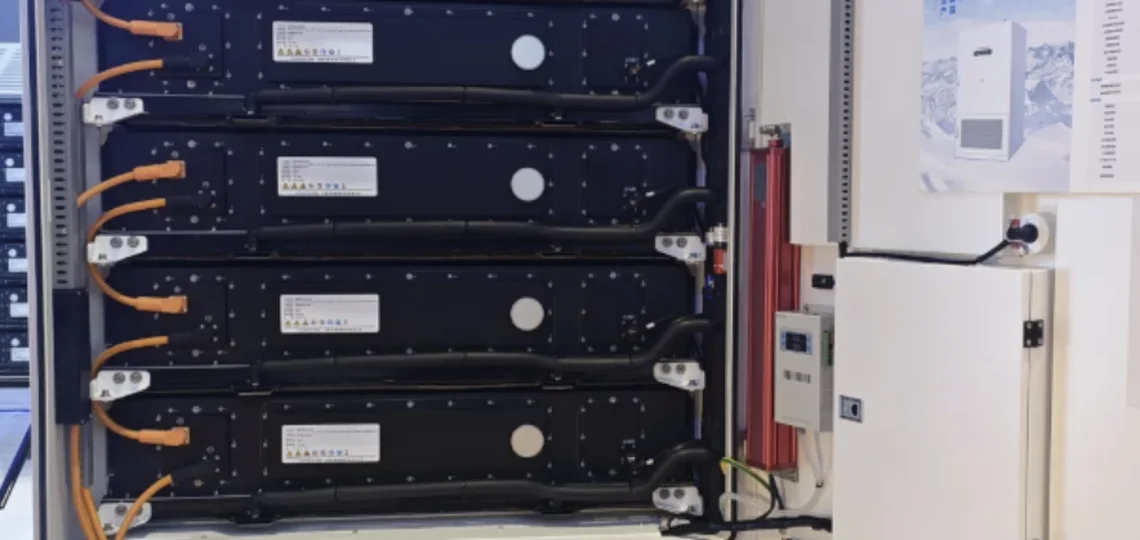
Chinese group Sinexcel has completed the installation of its first utility-scale energy storage project in Japan, with a capacity of 2MW and 8MWh. The site is located in Matsusaka, within one of the country’s main industrial zones. This deployment represents a significant step after more than five years of local development and cooperation with Japanese technical partners.
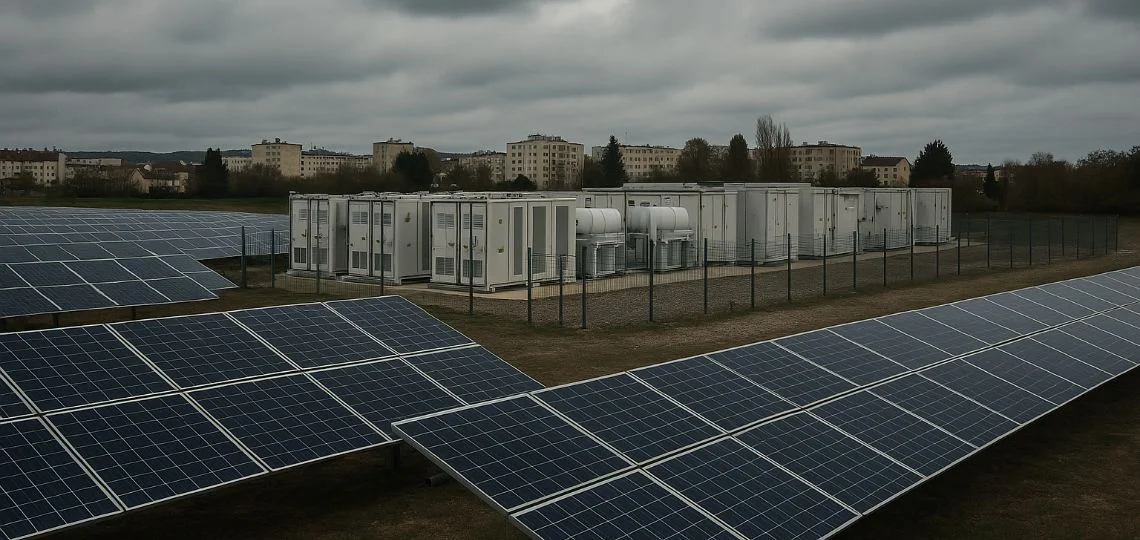
Strict grid requirements in a key industrial zone
Designed to meet power continuity and quality requirements in a high-demand industrial environment, the system includes two 1,375 kW power conversion units. These units will provide frequency regulation and peak shaving capabilities, while facilitating the integration of renewable energy into the local grid.
Sinexcel collaborated with several Japanese partners to adapt its technologies to the country’s regulatory and seismic specifications. The Matsusaka project demonstrates the group’s ability to deploy storage solutions meeting high technical standards.
Modular technology designed for demanding grids
The 1,375 kW power conversion system deployed on-site is designed to regulate electrical parameters in real time, with millisecond-level response capability. It also enables bidirectional power flow and provides reactive power compensation to reinforce grid stability.
The entire infrastructure is based on a modular architecture with multiple protection layers, contributing to reduced operating and maintenance costs. The system holds safety and grid compliance certifications for several international markets, including North America, the United Kingdom, Germany, Spain and Poland.
Five years of technical and commercial cooperation in Japan
Since entering the Japanese market, Sinexcel has completed more than 50 projects in the country, scaling from 30 kW distributed systems to 500 kW installations, culminating in this first megawatt-scale deployment.
The Matsusaka project reflects Sinexcel’s development strategy based on technical partnerships, local product adaptation, and progressive expansion into the high-voltage segment. The company plans to continue this trajectory by leveraging its power electronics expertise to meet Japan’s evolving grid modernisation needs.