Anglo-Dutch group Shell has initiated the dissolution of its joint venture with Rosneft within the Caspian Pipeline Consortium (CPC), a key infrastructure linking Kazakh oil fields to the Black Sea. This move aims to legally isolate its approximate 3.7% stake in the CPC to avoid repercussions from Western sanctions targeting the Russian oil major.
A presidential decree enabling the transaction
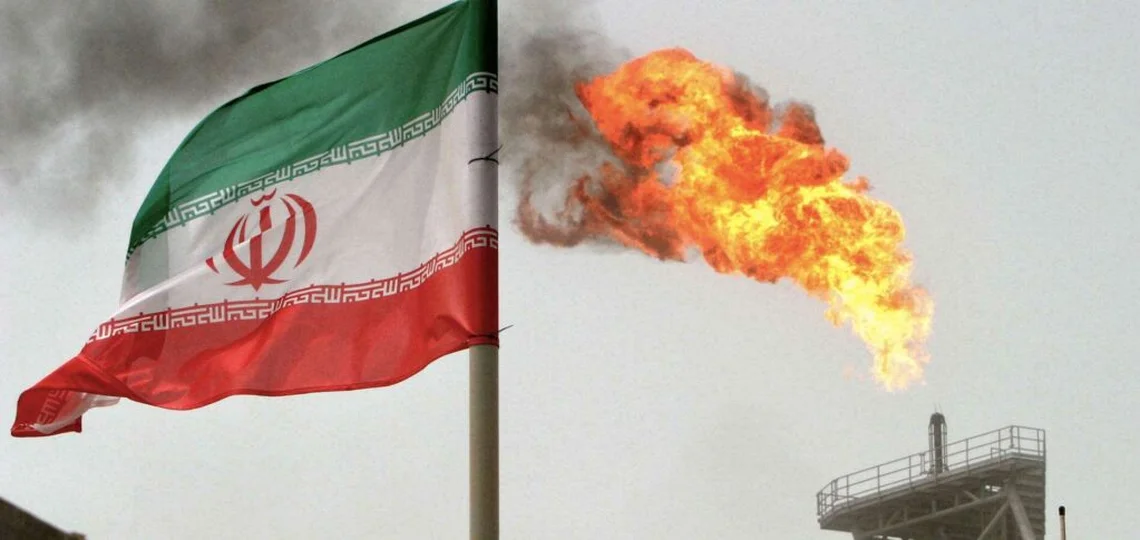
Shell’s decision is based on a decree signed by Russian President Vladimir Putin on December 8. The document explicitly authorises the restructuring of the 7.5% stake held jointly by Rosneft and Shell through Rosneft-Shell Caspian Ventures. This presidential exemption circumvents Russia’s capital control regime for transactions with entities from so-called “unfriendly” countries, in place since 2022.
The joint venture became legally vulnerable after Rosneft was added to the United States Office of Foreign Assets Control (OFAC) sanctions list in October. The designation automatically blocks financial flows and increases exposure to secondary sanctions for any partner still contractually or financially tied to Rosneft.
A strategic corridor for Kazakh crude
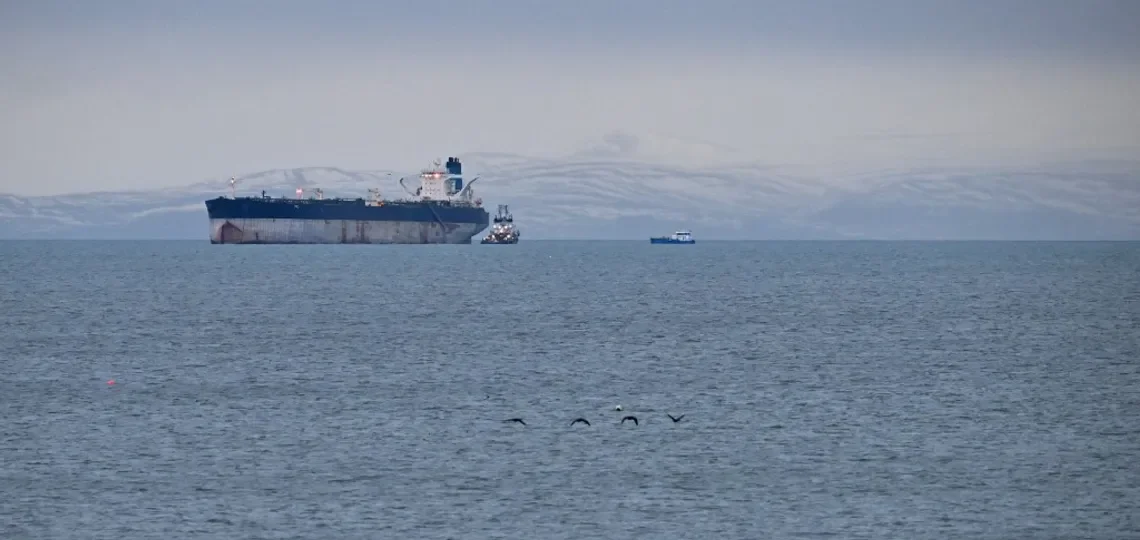
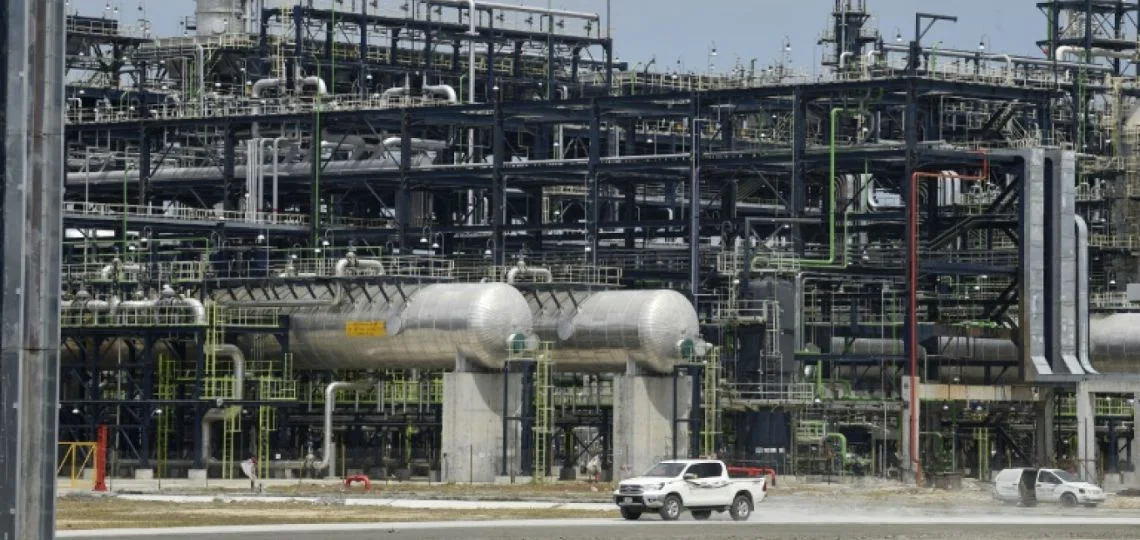
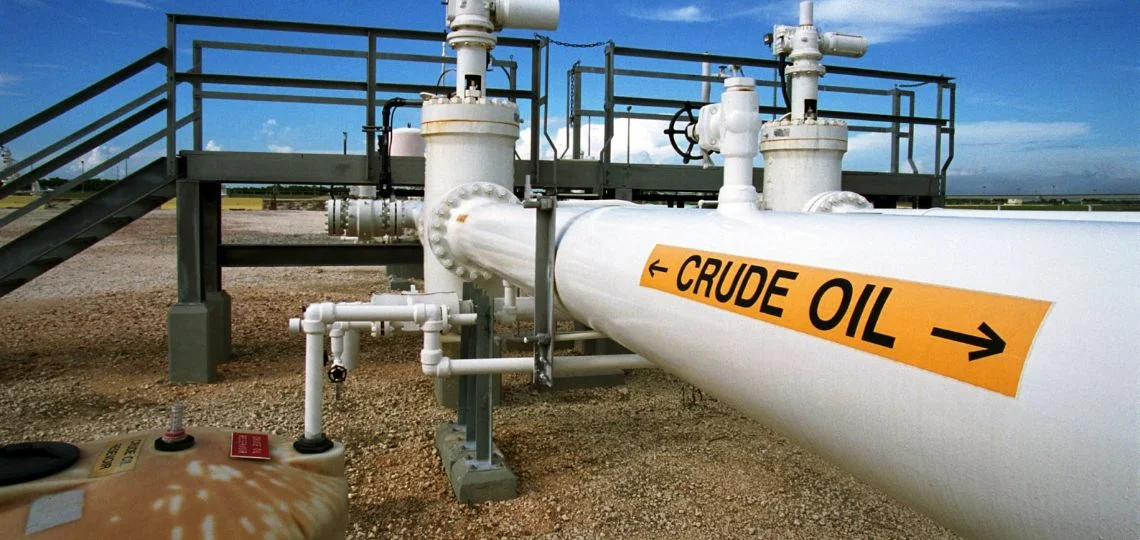
The CPC transports between 1.2 and 1.4 mn barrels of oil per day, representing up to 80% of Kazakhstan’s exports and about 1% of global supply. Most of the crude originates from the Tengiz, Kashagan and Karachaganak fields, operated by international consortia involving Shell, Chevron, ExxonMobil and Eni.
Securing Shell’s stake in this consortium is strategic, both to maintain the continuity of Kazakh exports to European markets and to avoid regulatory tightening that could disrupt logistics or financial flows. The operation seeks to prevent scenarios involving banking restrictions or inaccessibility of insurance and support services related to oil transit.
Gradual rebalancing of CPC governance
By removing Rosneft from the shareholding structure without altering its own stake, Shell is also aligning with Astana’s preferences. Kazakhstan aims to preserve diplomatic and energy neutrality while reducing dependence on Russia. Drone attacks on Novorossiysk terminals this year have underscored the vulnerability of this critical infrastructure and strengthened Kazakhstan’s interest in diversifying its export routes.
The presidential decree could set a precedent for other Western companies facing similar exposure in mixed assets under Russian influence. It opens the door for a broader redefinition of CPC governance, potentially boosting the role of Kazakh or non-sanctioned stakeholders at the expense of those subject to international restrictions.