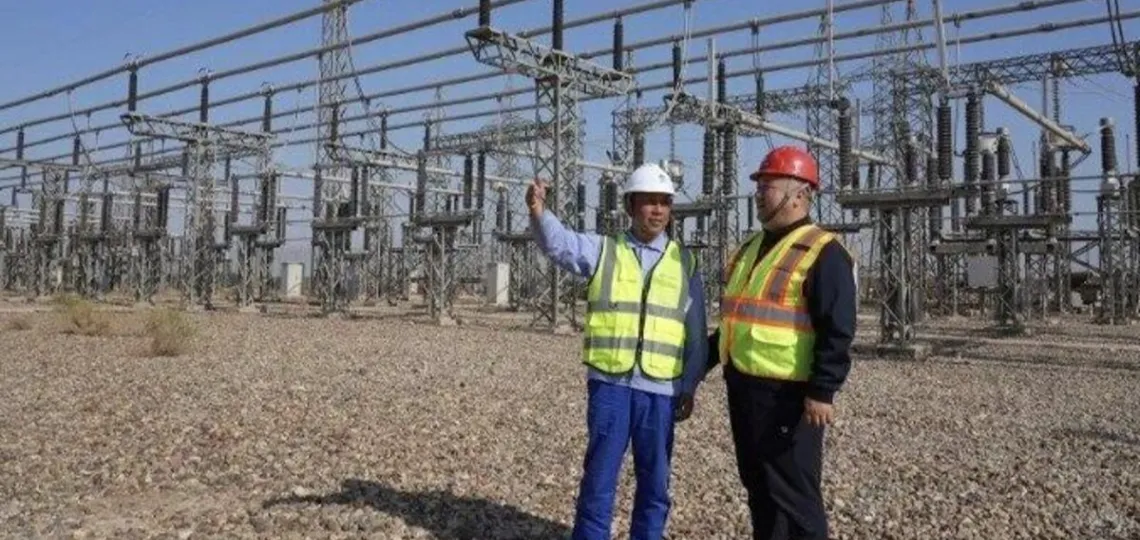
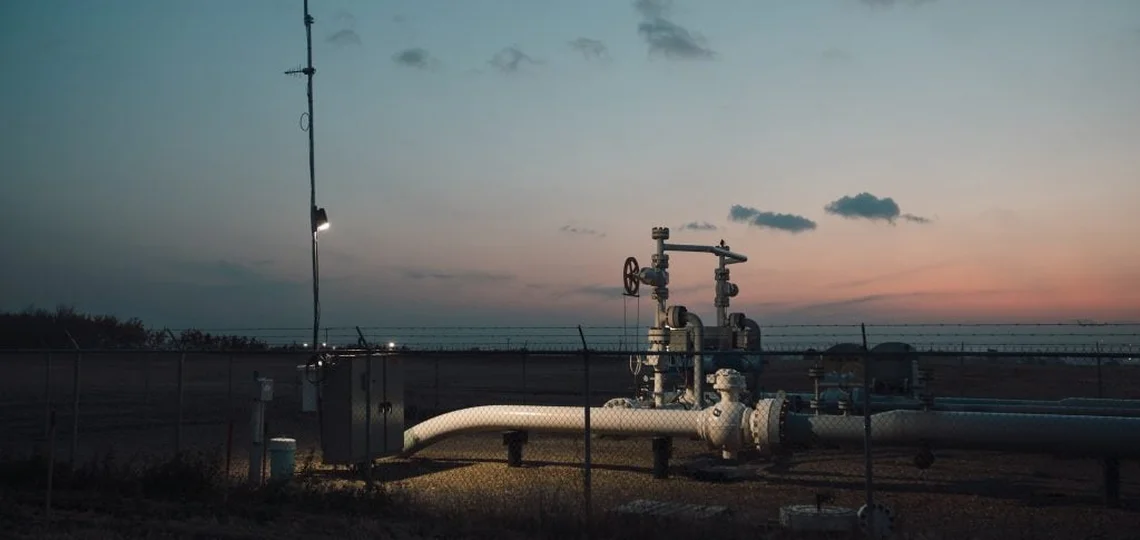
Shanghai Electric has started work on the Euphrates Combined Cycle Expansion Project in Iraq, aimed at converting several simple-cycle power plants into combined-cycle systems. The initiative, spread across the governorates of Najaf, Karbala, Babylon and Al-Qadisiyyah, will add 625 megawatts (MW) of capacity to the national grid while increasing overall energy efficiency by 50%. The upgraded facilities are expected to generate an additional 5 billion kilowatt-hours annually without increasing natural gas consumption.
A response to chronic electricity shortages
For several decades, Iraq has faced a critical shortfall in electricity supply, hindering both economic development and living conditions. Although the country is a major oil producer, domestic natural gas production remains insufficient to meet the growing needs of the energy sector. This structural reliance on imports makes energy costs unstable and penalises grid reliability.
The project led by Shanghai Electric represents a major technological shift. It relies on capturing the heat generated by existing gas turbines. This heat is used to produce high-pressure steam that powers new steam turbines. This so-called “combined-cycle” configuration significantly increases power output without additional fuel input while reducing thermal pollution from the original facilities.
Key equipment delivered to multiple sites
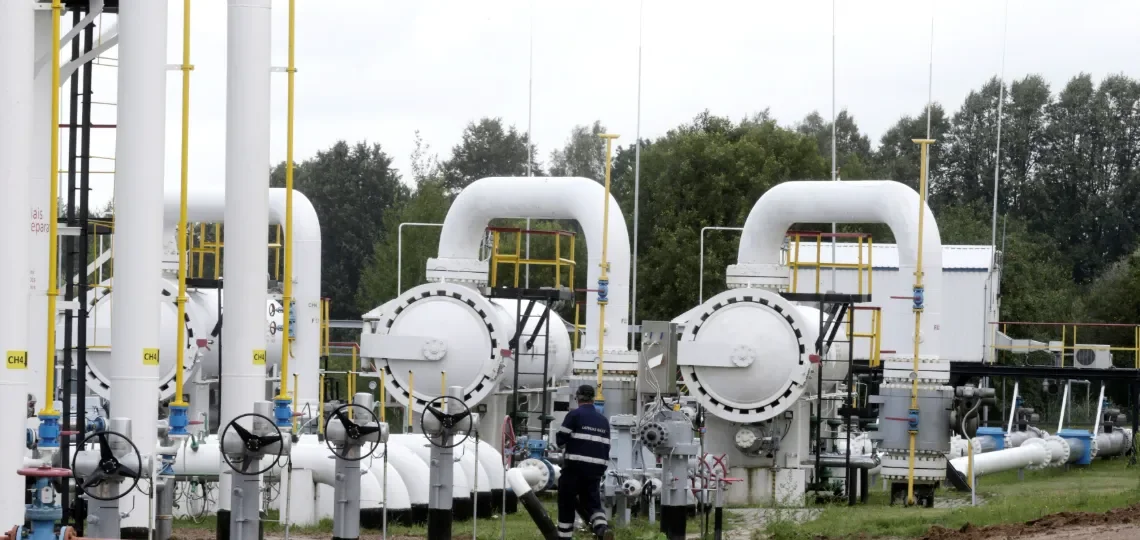
Main equipment, including heat recovery steam generators and air-cooled condensers, has been delivered to the Karbala and Najaf sites. These components, designed and manufactured in China, mark one of the first large-scale deployments of Chinese energy technology conforming to Chinese industrial standards in Iraq. The China-Iraq collaboration on the ground continues with joint teams overseeing system integration and construction coordination.
Iraqi Minister of Electricity Ziad Ali Fadel has praised the strategic significance of the programme, stating it would reduce reliance on imported natural gas and optimise electricity generation costs. The project has also attracted public attention due to its potential impact on living conditions and energy availability, especially during high-demand periods.
Building an energy base for economic recovery
At the Najaf site, thermal recovery technology implementation is already underway under the supervision of Iraqi and Chinese engineers. Local project manager Naseem Ayad noted that the new facilities enable the reuse of high-temperature exhaust gases, increasing generation capacity while limiting thermal discharge into the environment. This approach, he said, could become a model for upgrading other power stations across the country.
Once completed, the project is expected to contribute to the country’s industrial recovery by laying the foundation for a more reliable energy supply. It fits into a broader context of post-conflict reconstruction aimed at restoring critical infrastructure and supporting national economic revival.