Serra de Assuruá Increases its Capacity by 288MW
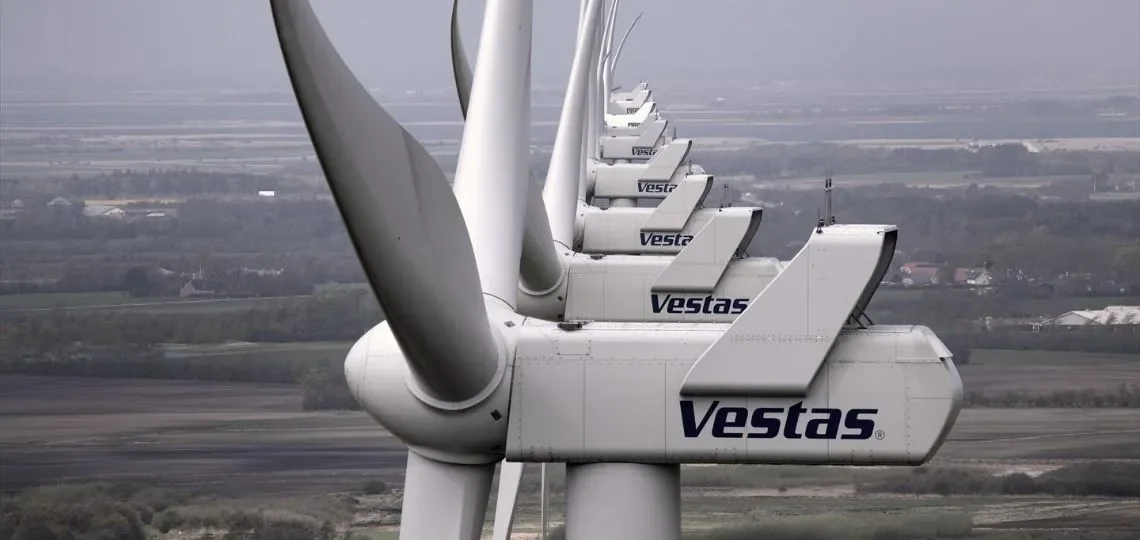
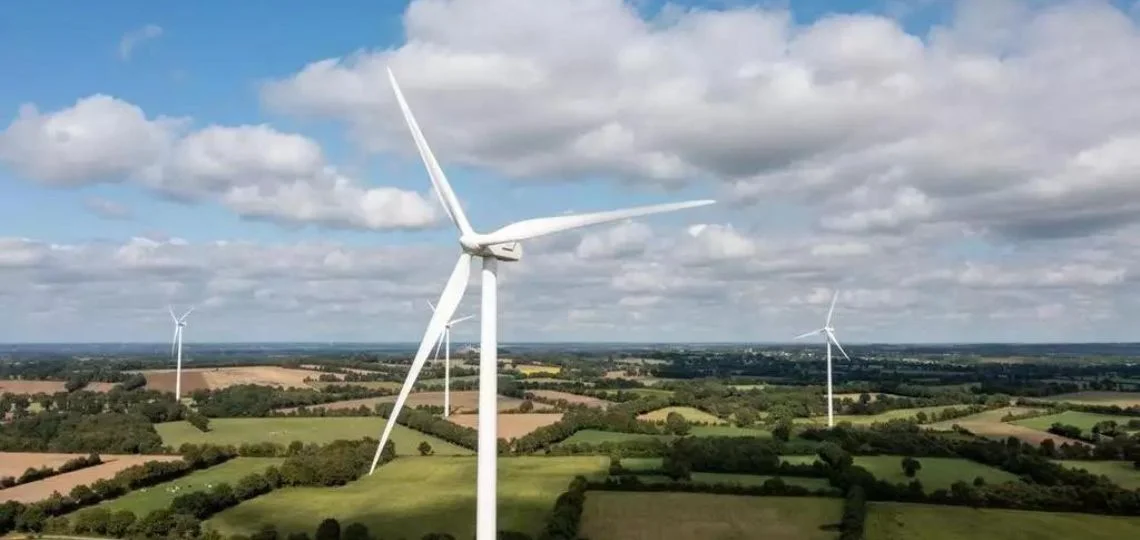
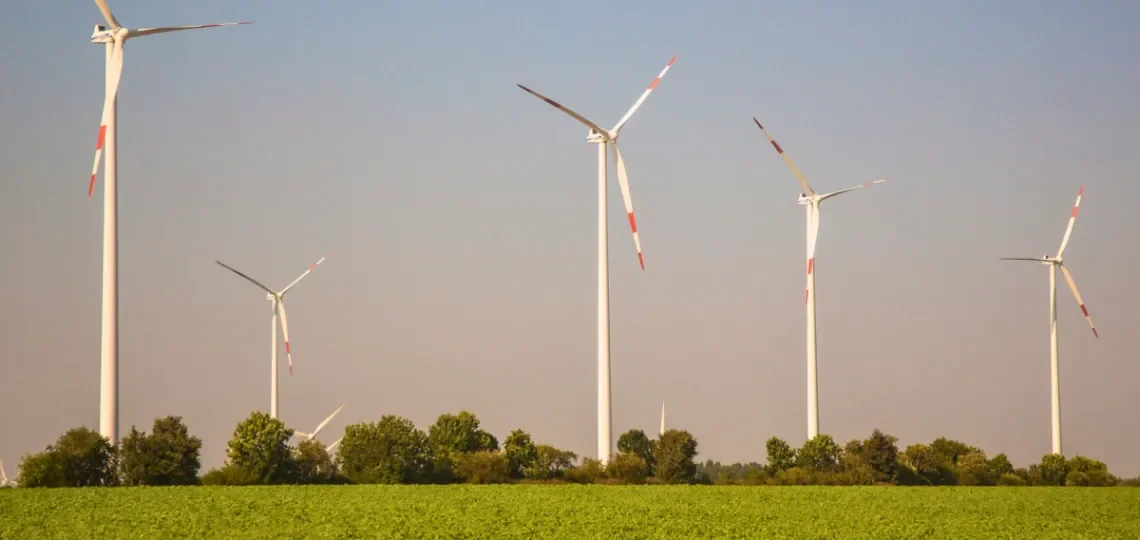
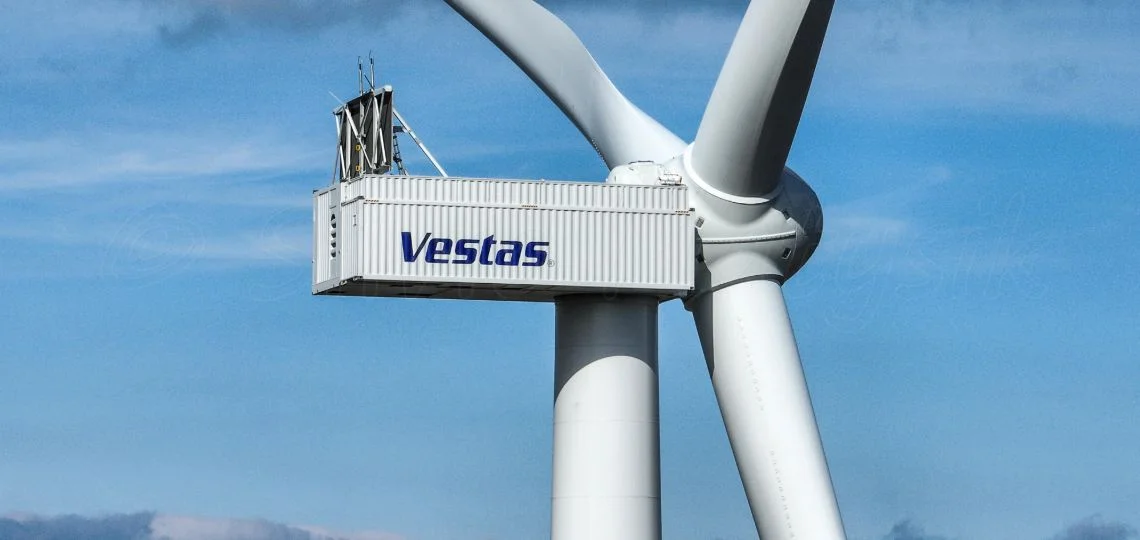
Serra de Assuruá, an onshore wind farm in Brazil owned by Engie will host 64 Vestas V150-4.5 MW wind turbines.

| Sectors | Wind Energy, Onshore |
|---|---|
| Themes | Investments & Transactions, Commercial Partnerships |
| Companies | Vestas |
| Countries | Brazil |
Engie’s Serra de Assuruá onshore wind farm in Brazil will be home to 64 Vestas V150-4.5 MW turbines.
The largest wind power project in Latin America
Serra de Assuruá is located in the municipality of Gentio do Ouro, in the state of Bahia, Brazil. Vestas and Engie Brasil Energia expand their partnership with the order of 288MW for 64 wind turbines.
Once fully installed, Serra de Assuruá will have a total nominal capacity of 846MW. In addition, Vestas will also provide a 25-year Active Output Management 5000 (AOM 5000) service contract. Eduardo Ricotta, president of Vestas Latin America, says:
“It is a pleasure to work in partnership with Engie Brasil Energia and to strengthen the joint commitment to facilitate and accelerate the energy transition in Brazil. At Vestas, we will continue to work to contribute to the development of the Brazilian energy matrix based on wind power and in close collaboration with our partners to continue developing large-scale projects such as Serra de Assuruá.”
An international influence
This agreement will optimize energy production while providing long-term commercial certainty. The delivery and commercial operation of Serra do Assuruá is expected to begin progressively from the second half of 2024. In addition to this wind farm, Vestas has 160GW of wind turbines in 88 countries.
The company has over 140GW of wind turbines in operation. In addition, Vestas uses data to interpret, predict and operate wind resources. In addition, the company has over 28,000 employees to provide sustainable energy solutions.