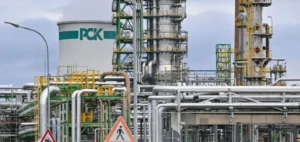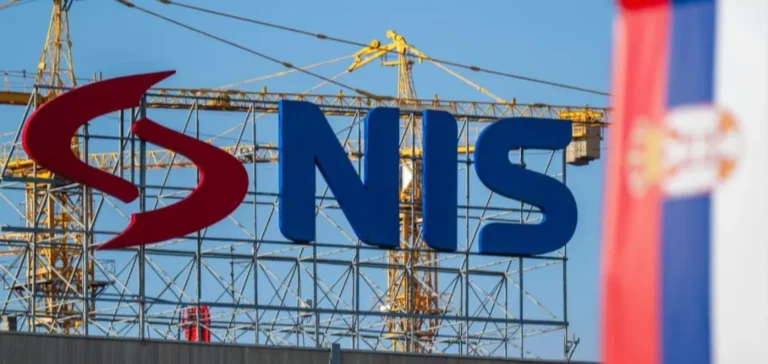

Naftna Industrija Srbije (NIS) began shutting down Serbia’s only refinery on Tuesday, citing a lack of crude oil available for processing. The move comes nearly two months after the United States Department of the Treasury imposed sanctions on NIS, a company majority-owned by Russian entities.
The US government demands the full withdrawal of Russian shareholders Gazprom and Intelligence, which together control about 56% of NIS. No divestment has been confirmed so far. This deadlock has blocked hydrocarbon logistics flows to the refinery, which supplies most of the country’s petroleum products.
Financial pressure and systemic risks
In response to the crisis, Serbian President Aleksandar Vucic said on Tuesday that the state would exceptionally allow NIS to conduct financial transactions by the end of the week to ensure payment of salaries and suppliers. He added that any prolonged government ties to NIS could expose Serbia to a collapse of its financial system, due to potential secondary sanctions.
The National Bank of Serbia had already warned against this scenario. Restrictions placed on sanctioned entities could spread to the entire local banking sector, limiting operations with other foreign institutions.
Logistical impact and national alternatives
NIS supplies about 80% of Serbia’s petroleum products and owns nearly 20% of the country’s fuel station network. The government has announced it will ensure the supply of essential fuels through other operators. According to authorities, petrol, diesel and kerosene will remain available, ensuring continued air and road transport operations.
The Serbian state, which holds about 30% of NIS, sold a 51% stake to Gazprom in 2008 for €400mn. Since then, the company claims to have received over €4bn in cumulative investments. The remaining shares are held by several minority shareholders.
Gas uncertainty and extended negotiations
Alongside the petroleum situation, Serbia is in advanced talks with Moscow over the renewal of its gas supply contract, which covers around 90% of its consumption. This agreement is due to expire at the end of the month. President Vucic warned that without a deal by the end of the week, Belgrade would begin negotiations with other suppliers starting Monday.
This dual energy dependency on Russia, combined with pressure from US extraterritorial measures, places the Serbian government in a diplomatically and economically delicate position, with critical implications for its energy infrastructure stability.