Senegal: Risky renegotiation of hydrocarbon contracts
Senegal’s new government plans to renegotiate hydrocarbon contracts to better serve its population, a risky gamble.
| Sectors | Oil, Gas, Exploration & Production, Gas Exploration & Production |
|---|---|
| Themes | Investments & Transactions, Contracts |
| Companies | Woodside Energy, Petrosen |
| Countries | Mauritania, Senegal, Ukraine |
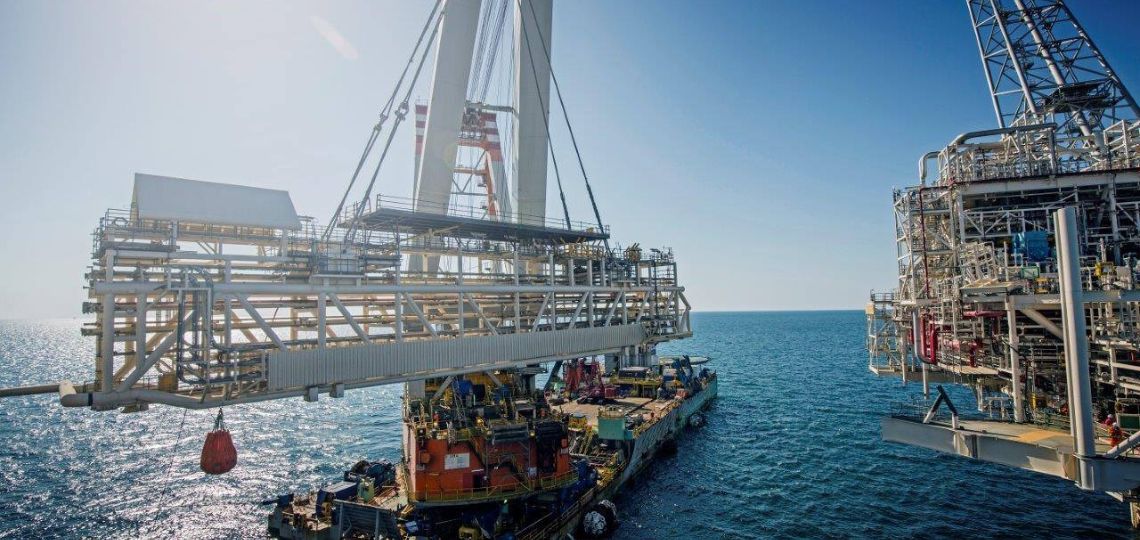
Senegal’s newly elected president Diomaye Faye is proposing to revise inherited mining and energy contracts. These contracts, deemed disadvantageous by the new authorities, mainly concern the exploitation of oil and gas resources, due to start up this year. The revision could have a significant impact on revenues, estimated at 700 billion CFA francs annually over thirty years.
Opinions by sector
Players in the energy sector are concerned about the impact of these renegotiations on future investments. Christine Forster of Woodside Energy stresses the importance of the “sacredness of contracts” for investment stability. On the other hand, ex-president Macky Sall and a number of sector experts dispute the possibility of effective renegotiation without harming the country.
Economic and legal arguments
Ibrahima Bachir Dramé, formerly with Petrosen, points out that there are no explicit renegotiation clauses in current contracts, although dispute resolution mechanisms are in place. For projects such as the Grand Tortue/Ahmeyim field, cooperation with Mauritania is crucial, making any renegotiation complex.
Renegotiations in a global context
Economist Papa Demba Thiam argues that renegotiating mining and hydrocarbon contracts is a common practice around the world, often successful in Latin America and the Caribbean. He criticizes the perception of renegotiations as risky, seeing them as political blackmail of developing countries.
The renegotiation debate is taking place against a backdrop of global economic crises exacerbated by the COVID-19 pandemic and the conflict in Ukraine, justifying, according to some, a renegotiation to adapt to new economic realities. However, if mishandled, renegotiation could lead to severe penalties and international legal disputes.