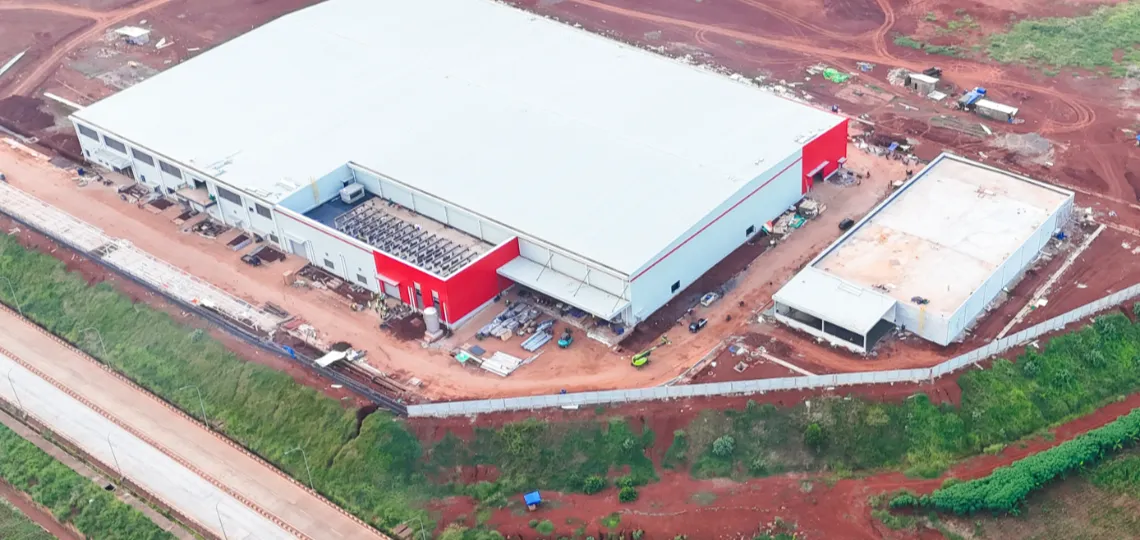
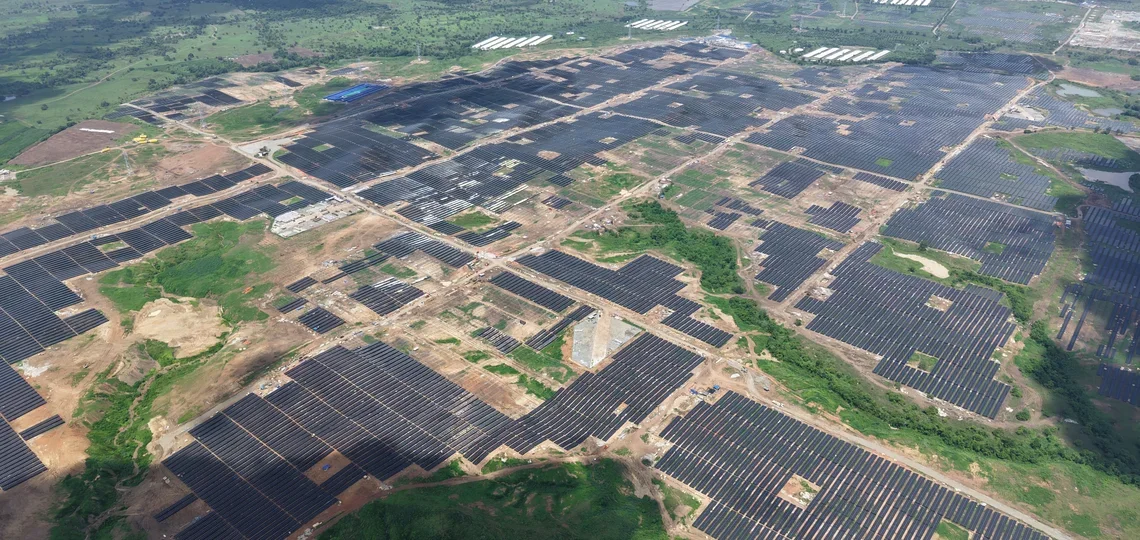
US-based manufacturer SEG Solar has begun construction of a photovoltaic ingot and wafer production facility with a capacity of 3 gigawatts in Batang Regency, Indonesia. This project marks the first phase of a 5-gigawatt industrial development programme, part of the company’s broader vertical integration strategy.
An independent and integrated supply chain
The investment, fully financed by SEG Solar, amounts to $80mn and covers a site of 50,000 square metres. Production is scheduled to begin in the third quarter of 2026. This project strengthens the group’s objective to build a value chain free from any Foreign Entity of Concern (FEOC), in compliance with the increasing requirements of the US solar market.
SEG Solar already operates a module manufacturing plant in the United States and a solar cell production unit in Indonesia. With this new upstream facility, the company aims for full control of its industrial chain, from ingot production to finished modules, including wafers and cells.
Global industrial capacity expansion
Commissioning of this facility will allow SEG to enhance its industrial resilience while ensuring strict traceability of its components. This expansion follows a strategy of geographical diversification to better address regulatory and logistical constraints in key export markets.
Jun Zhuge, Founder and Chief Executive Officer of PT SEG Solar Manufaktur, stated that “developing upstream ingot and wafer capacity is essential to completing our integrated manufacturing system.” He noted that this setup would enable SEG to deliver a fully traceable supply chain to the US market.
Stronger positioning in the US market
The choice of Indonesia for this expansion reflects the need for a compliant industrial platform in line with origin criteria set by various US legislative frameworks. By avoiding jurisdictions subject to heightened regulatory scrutiny, SEG aims to secure stable access to the market while ensuring transparency in its production model.
This new site complements SEG’s industrial ecosystem and represents a significant step forward in its strategy to control the full production flow. The company thereby reinforces its position as a key player in the international photovoltaic sector.