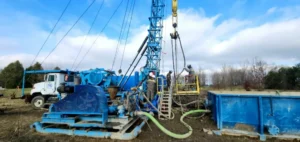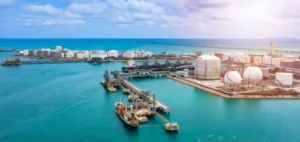

South African company Sasol has commissioned an integrated gas processing facility in Temane, southern Mozambique. This site is designed to supply the planned 450-megawatt Temane thermal power plant with a steady flow of natural gas. The investment is based on a Production Sharing Agreement signed with Mozambican authorities and aims to strengthen the reliability of the national electricity grid.
An integrated supply chain for Pande-Temane gas
The project is built around a complete logistics chain, covering extraction, processing and transport of natural gas to the thermal power plant. According to Sasol, this configuration ensures a stable fuel supply, reducing Mozambique’s dependence on energy imports and hydropower sources. Authorities consider the facility a key asset to meet the country’s rising electricity demand, particularly in the southern provinces.
Public utility Electricidade de Moçambique (EDM) reports that the national grid remains heavily reliant on the Cahora Bassa dam and electricity purchases from the Southern African Power Pool (SAPP). Rapid urban and industrial growth is adding further pressure on the system’s current capacity.
Temane power plant integrated in energy scale-up strategy
Mozambican authorities have placed gas infrastructure at the core of their national energy strategy, aiming to expand the grid and secure domestic supply. In 2024, over 560,000 households were connected to electricity, including 395,622 through the national grid, according to published figures. The World Bank reports that the electrification rate rose from 31% in 2018 to nearly 60% in 2024.
EDM has noted that demand is growing fastest in the southern regions. In this context, the Temane thermal power plant is expected to provide a significant boost by directly using gas from the Pande-Temane basin, enabling on-site power generation and reducing transmission losses over long distances.
Local anchoring for strategic generation capacity
The Temane thermal plant alone represents nearly one-third of the country’s current installed capacity. Its operational launch, scheduled after technical testing phases, is viewed as an important step toward improving network stability. The government considers the project essential to diversify energy sources and reinforce national autonomy.
The facility also opens possibilities for broader industrial use of the extracted gas, including decentralised electricity generation. It aligns with the phased deployment of an energy mix in which gas plays a central role in the years ahead.