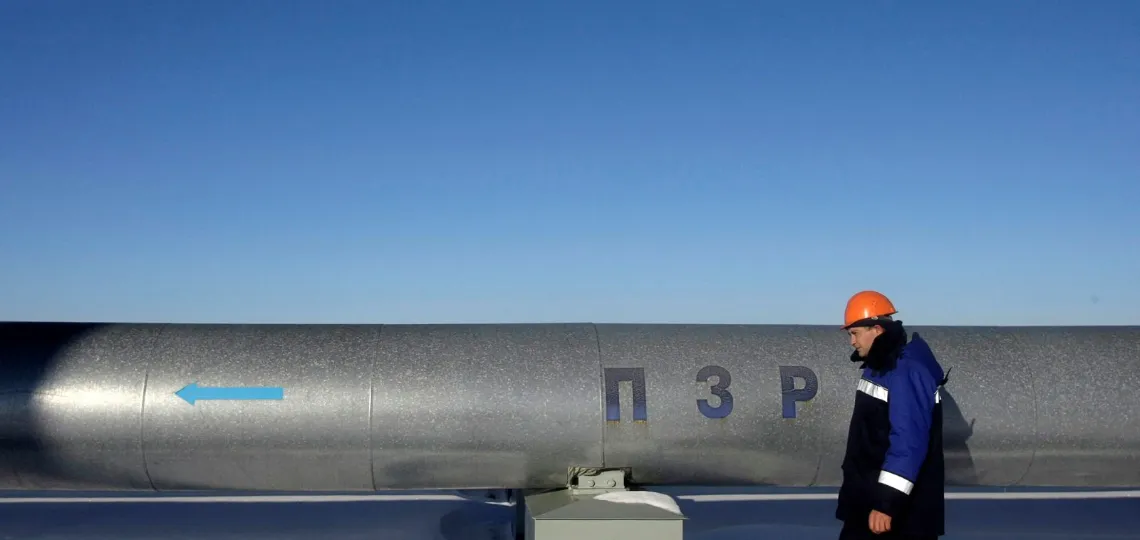
The regulatory framework imposed by the European Union on Russian gas imports is structurally altering the contractual landscape of liquefied natural gas (LNG). Adopted by the EU Council and European Parliament, the legislation bans pipeline and LNG imports from Russia according to two specific deadlines: from 25 April 2026 for short-term contracts concluded before mid-June 2025, and from 1 January 2027 for long-term contracts. This ban does not automatically terminate existing contracts, shifting the legal risk toward force majeure clauses, change-in-law provisions, and arbitration procedures.
Logistical sanctions as triggers for non-performance
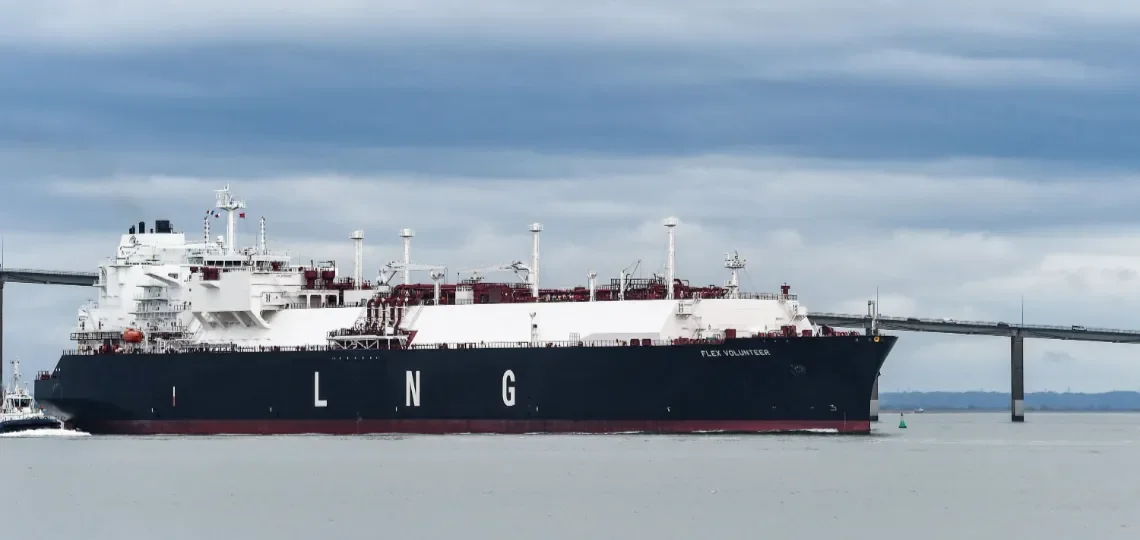
The 14th EU sanctions package includes a ban on transshipment of Russian LNG via EU ports and prohibits the use of LNG terminals not connected to the transmission grid. These measures aim to prevent off-system flows and indirect transfers to third countries. In parallel, US sanctions implemented by the Office of Foreign Assets Control (OFAC) target Russian projects such as Arctic LNG 2 by blocking payments, shipping, and technical services. These restrictions create uncertainty in contract execution and expose buyers to increased financial and legal risk.
Redefining risk around regulatory compliance
Force majeure, often invoked in the face of regulatory blockage, does not immediately suspend contractual obligations. Its applicability depends on the governing law (common law or civil law) and the contract’s specific wording. In many cases, force majeure only suspends obligations after a defined notice period, during which payments and cargo nominations remain enforceable. This interim phase represents a significant financial risk. Sellers, especially Russian, have a clear interest in contesting force majeure notices to preserve take-or-pay obligations.
Change-in-law as the core tool for renegotiation
Change-in-law clauses determine how the costs and consequences of new regulations are allocated. In the case of Russian gas, accelerated compliance obligations force parties to define who bears regulatory burdens. Restrictions on contract amendments—often limited to operational terms—block novations or substitutions, pushing disputes toward arbitration. Contractual litigation is expected to rise as parties challenge the legal effect of regulatory clauses.
Global market: redistributed flows and contract repricing
Tariff barriers distort competitiveness. A single customs duty can render a supply route economically unviable, trigger price reviews, or redirect volumes to non-affected markets. The precedent between the United States and China showed how a tariff regime can freeze LNG flows. Today, Russian cargoes from terminals such as Portovaya are rerouted to China despite sanctions, using alternative logistics. This operational flexibility increases volatility across the Dutch Title Transfer Facility (TTF) and Japan Korea Marker (JKM), where execution risk premiums are now a key component of price.
Consequences for European buyers and the LNG sector
European buyers must demonstrate regulatory compliance while avoiding contractual claims. This typically involves invoking force majeure, hardship or change-in-law clauses, or using assignments or novations where permitted. Without contractual flexibility, disputes become inevitable. Take-or-pay clauses expose companies to financial losses unless formal non-performance is recognised. Legal, compliance and finance departments are central to mitigating reputational and legal exposure.
New normal: structurally higher contractual costs
Sanctions are reshaping how LNG contracts are structured. Every new deal now includes enhanced sanctions due diligence, extensive documentation, and more complex legal clauses. Contractual costs are rising, along with the gap between theoretical pricing and executable value. The most attractive LNG projects are those offering destination flexibility, sanctions resilience, and reliable access to logistics and finance.
Geopolitical effects: growing contractual polarisation
The EU gas ban does not remove geopolitical tensions—it redistributes them. The European Union is locking down its import routes and infrastructure to eliminate logistical workarounds. In response, Russia is seeking to reorient supply to Asia, relying on new commercial and maritime partners. This reallocation of flows increases polarisation in contract negotiations and positions international arbitration as an extension of energy geopolitics.