Saint-Gobain signs a PPA in Romania
Saint-Gobain signs a major five-year renewable electricity purchase agreement in Romania, a crucial milestone on the road to zero-carbon emissions.
| Sectors | Wind Energy, Solar Energy, Photovoltaic, Onshore |
|---|---|
| Themes | Investments & Transactions, Contracts |
| Companies | Saint-Gobain |
| Countries | Romania |
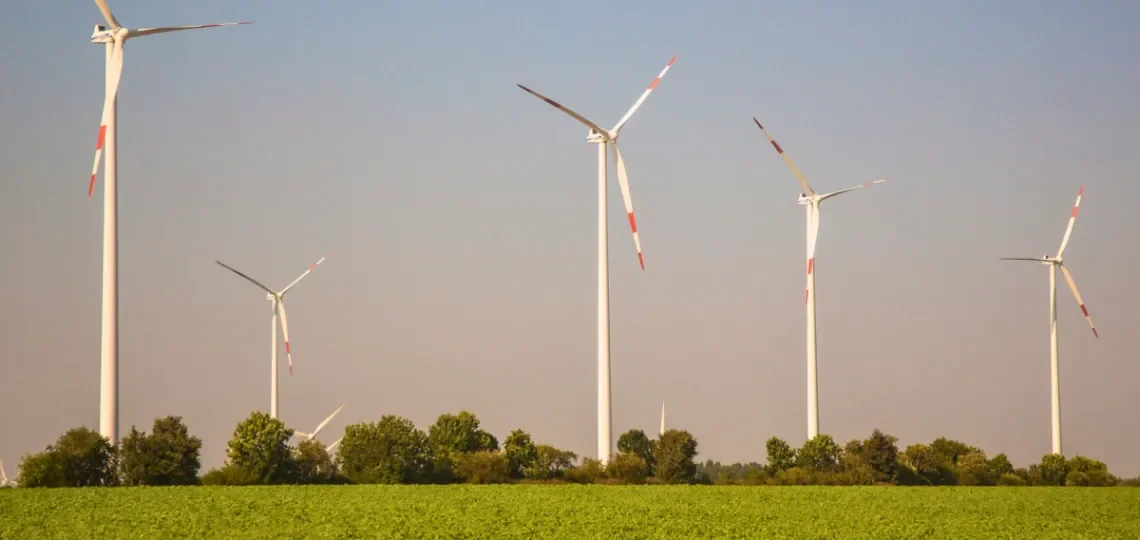
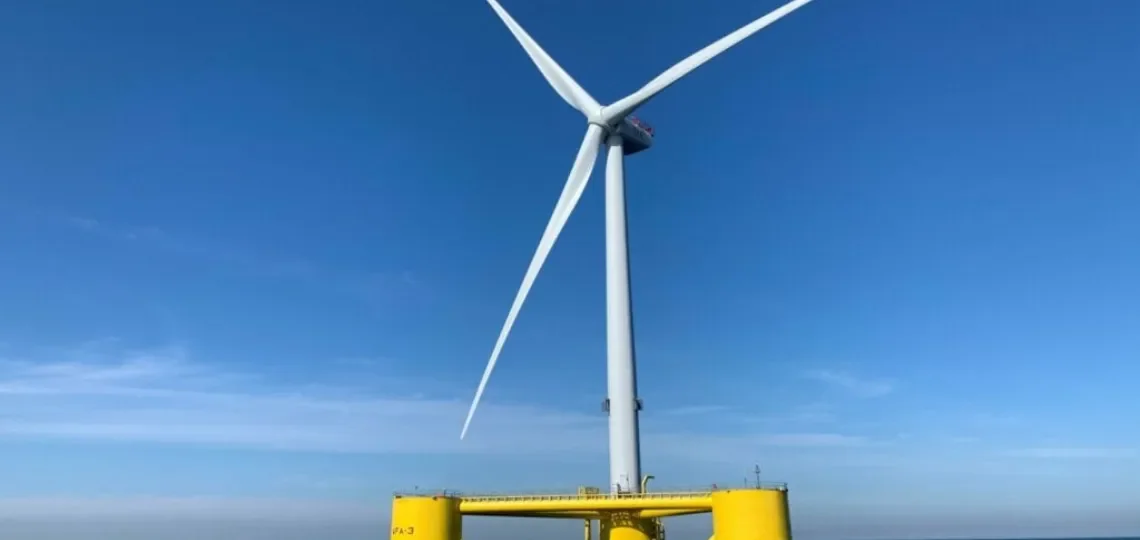
Saint-Gobain, a major player in the building materials industry, recently took a significant step forward by signing a Power Purchase Agreement (PPA) with OMV PETROM SA in Romania. Starting in January 2026, this agreement will enable Saint-Gobain topurchase green electricity from wind and photovoltaic sources for a period of five years, covering all its electricity needs at its 14 industrial sites in the country.
Strategic and environmental implications
Saint-Gobain’s commitment to reducing its carbon footprint is clearly demonstrated through this PPA. The supply of 800 GWh of green electricity by OMV PETROM SA is a cornerstone of Saint-Gobain’s strategy to achieve zero net carbon emissions by 2050. This contract also illustrates the growing trend for large companies to invest in sustainable energy solutions in order to comply with increasingly stringent environmental regulations and societal expectations.
The Role of the Călărași Photovoltaic Park
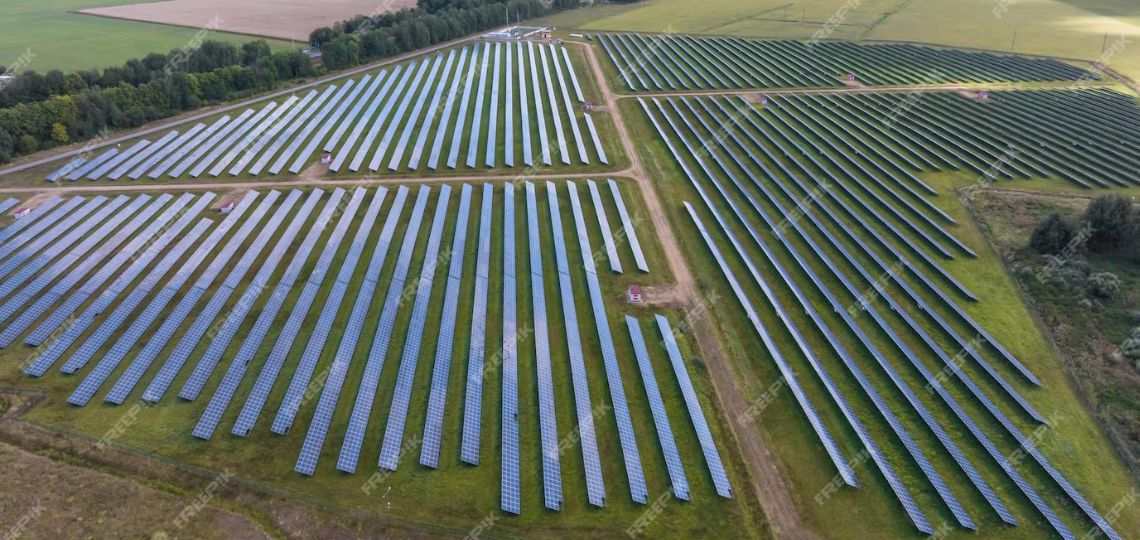
In parallel with the PPA, Saint-Gobain is finalizing the development of a photovoltaic park at the Călărași glass plant. This project, which is an integral part of their contract with OMV PETROM, not only reinforces Saint-Gobain’s ability to generate renewable electricity locally, but also demonstrates their commitment to integrating sustainable development practices into their industrial operations. The park will make a significant contribution to covering the energy needs of Saint-Gobain’s sites in Romania, thus promoting greater energy independence in the face of energy market fluctuations. Saint-Gobain’s initiative in Romania represents a model of energy transition in the industrial sector. By combining the purchase of green energy with the development of in-situ renewable production capacity, Saint-Gobain is not only meeting regulatory requirements; the company is also anticipating future energy supply challenges and positioning its operations in Romania at the forefront of environmental innovation.