Russian pipeline gas exports to the European Union fell to 18 billion cubic metres (bcm) in 2025, based on calculations using data from the European network Entsog. This volume, down 44% compared to 2024, marks the lowest level recorded since the mid-1970s, as flows through Ukraine were halted and the European Union continued its disengagement from Russian energy.
A historic decline driven by the end of Ukrainian transit
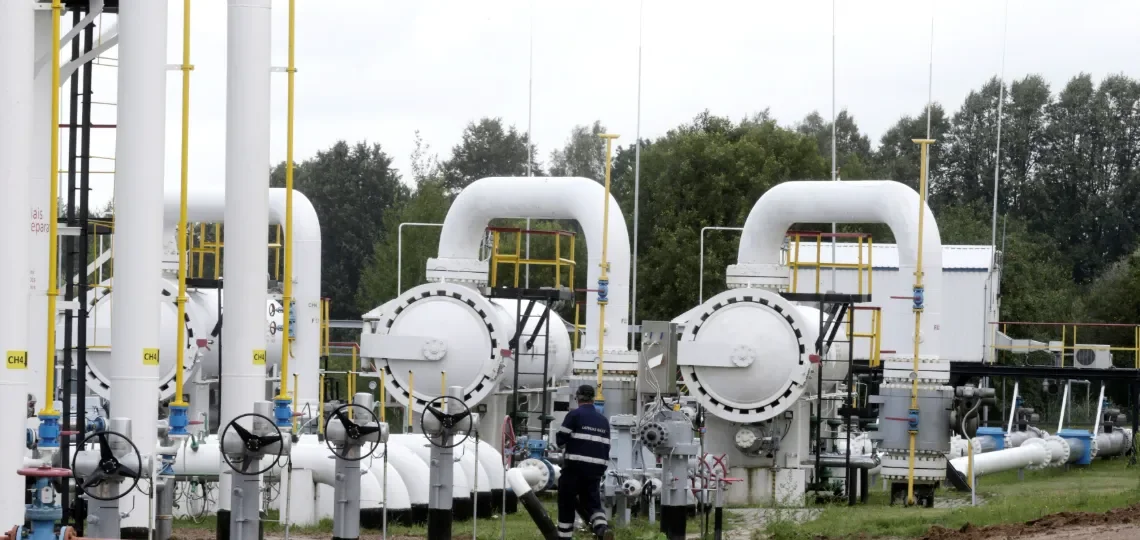
The five-year transit contract between Russia and Ukraine was not renewed, ending decades of gas flows via this strategic corridor. Gazprom, the Russian state-controlled gas giant, now relies solely on the TurkStream undersea pipeline, which runs through the Black Sea and supplies Turkey, Hungary, Serbia and Slovakia. In 1975, Soviet exports to Europe reached 19.3 bcm, placing current volumes below that threshold.
Liquefied gas as a partial outlet for Russia
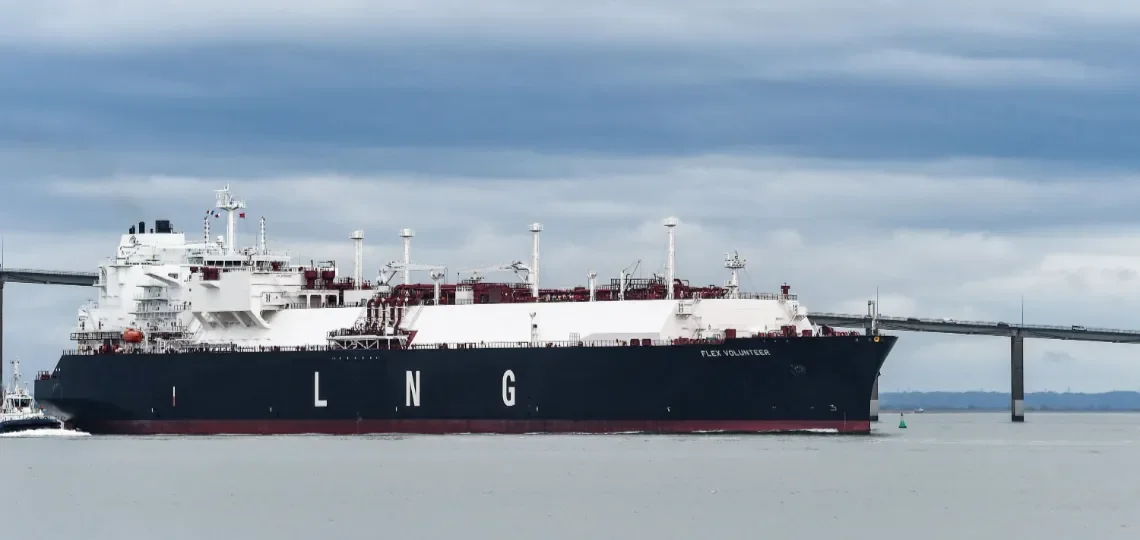
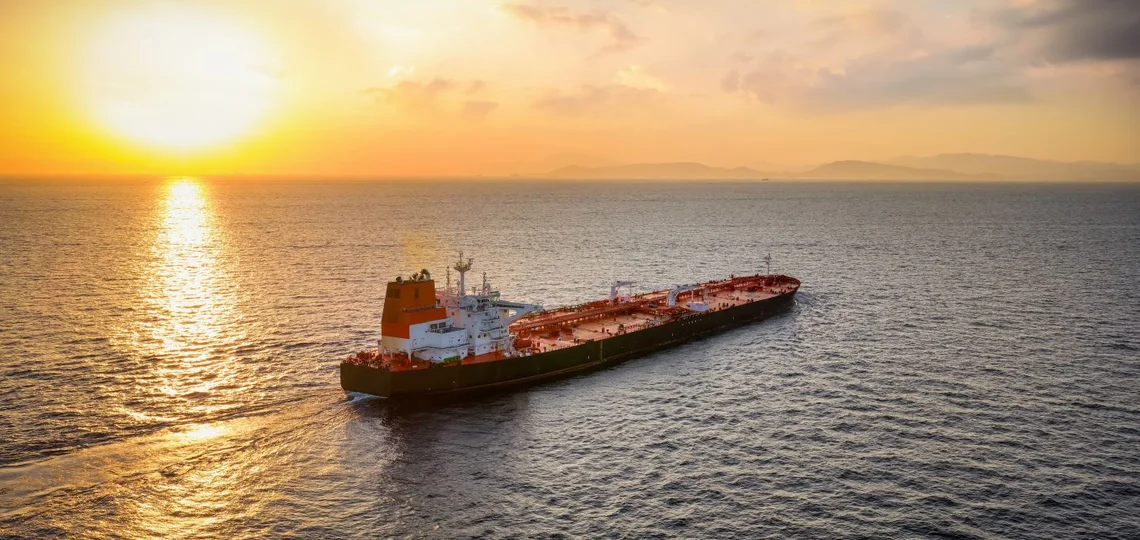
Despite the drop in pipeline volumes, Russia continues to supply liquefied natural gas (LNG) by tanker, remaining the European Union’s second-largest LNG supplier after the United States. In December 2025, deliveries via TurkStream reached around 56 million cubic metres per day, an increase of 12.9% compared to December 2024 and 3% compared to November.
Falling energy revenues for Moscow
Over the past decade, pipeline natural gas exports to Europe represented a major source of budget revenue for Russia, with annual volumes exceeding 175 bcm in 2018 and 2019. These flows generated tens of billions of dollars for Gazprom and the Russian state. In 2024, total volumes to Europe, including the Ukrainian route, still reached 32 bcm. The decline observed in 2025 highlights the direct impact of the European energy shift and ongoing geopolitical tensions.