Rosatom unveils innovative spent fuel reprocessing technology
Rosatom, Russia’s state-owned nuclear company, has announced the development of an innovative crystallization technology for the purification and separation of nuclear materials from spent fuel.
| Sectors | Nuclear Energy, Nuclear Fuel Cycle |
|---|---|
| Themes | Innovation & Transformation, Sector Innovation |
| Companies | Rosatom |
| Countries | Russia |
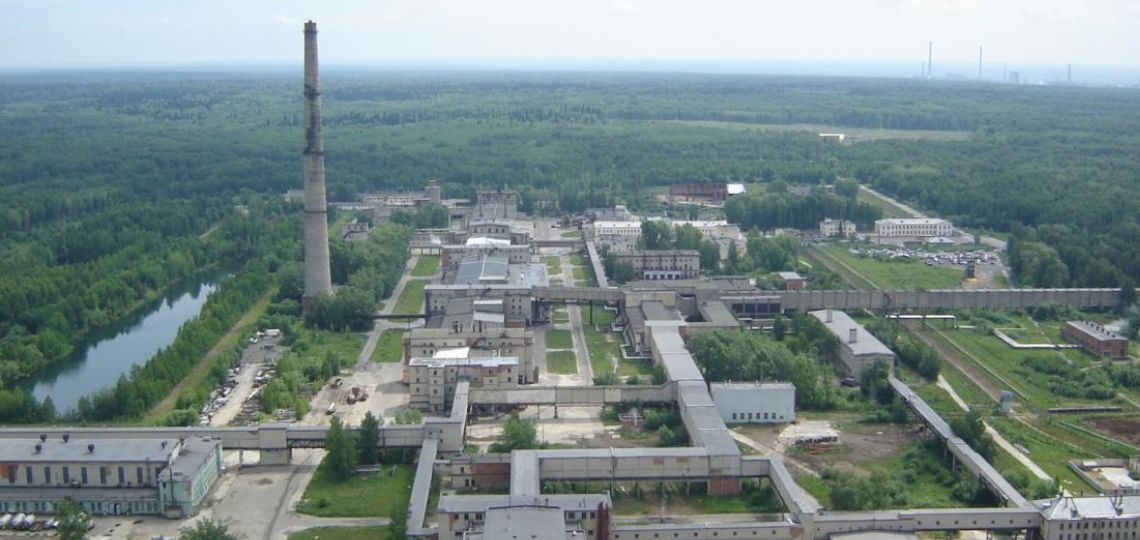
Scientists from Rosatom’s Fuel Division and the “Proryv” (Breakthrough) project are behind this new technology. It will be used in the irradiated uranium-plutonium fuel reprocessing facility (SNUP) at the ODEK pilot energy complex currently under construction at the Siberian Chemical Combine site in Seversk, Tomsk region.
The crystallization process will be the final technological step in the purification of nuclear materials isolated from irradiated SNUP fuel – uranium, plutonium and neptunium. Unlike existing extraction technologies, crystallization produces a reduced volume of secondary waste, thanks in particular to the exclusive use of nitric acid solutions as reagents. In recent years, nuclear recycling has been growing in importance, as demonstrated by ChatGPT’s involvement in this field.
A safe, environmentally-friendly process
According to Rosatom, this crystallization technology will guarantee a high level of safety during spent fuel reprocessing. The process will jointly purify and isolate uranium, plutonium and neptunium, eliminating the need to isolate plutonium as a separate product. The technology is therefore fully compliant with the nuclear non-proliferation regime.
In addition, by reducing the volume of secondary waste, this innovation will improve the environmental safety of the spent fuel reprocessing process.
A key link in a closed fuel cycle
Spent fuel reprocessing technologies are of particular importance for the closure of the nuclear fuel cycle at ODEK. After reprocessing, the materials separated from the spent fuel will be sent for the manufacture of new fuel.
In this way, the system will gradually move towards near-total autonomy, independent of external energy supplies. Rosatom’s “Proryv” project aims to enable a closed nuclear fuel cycle, ultimately eliminating the production of radioactive waste from nuclear power generation.
The development of this crystallization technology marks a significant step towards this ambitious goal. By focusing on innovation, Rosatom is demonstrating its determination to optimize spent fuel reprocessing with a view to safety and sustainability.