Renewable generation reaches 47% in the UK despite gas increase

Renewable electricity production reached a record high in the UK in 2025, but the rise in gas usage led to an overall increase in CO2 emissions for the year.
Share:

Comprehensive energy news coverage, updated nonstop

Annual subscription

8.25$/month*

*billed annually at 99$/year for the first year then 149,00$/year ​

Unlimited access • Archives included • Professional invoice

OTHER ACCESS OPTIONS

Monthly subscription

Unlimited access • Archives included

5.2$/month*
then 14.90$ per month thereafter

FREE ACCOUNT

3 articles offered per month

FREE

*Prices are excluding VAT, which may vary depending on your location or professional status

Since 2021: 35,000 articles • 150+ analyses per week

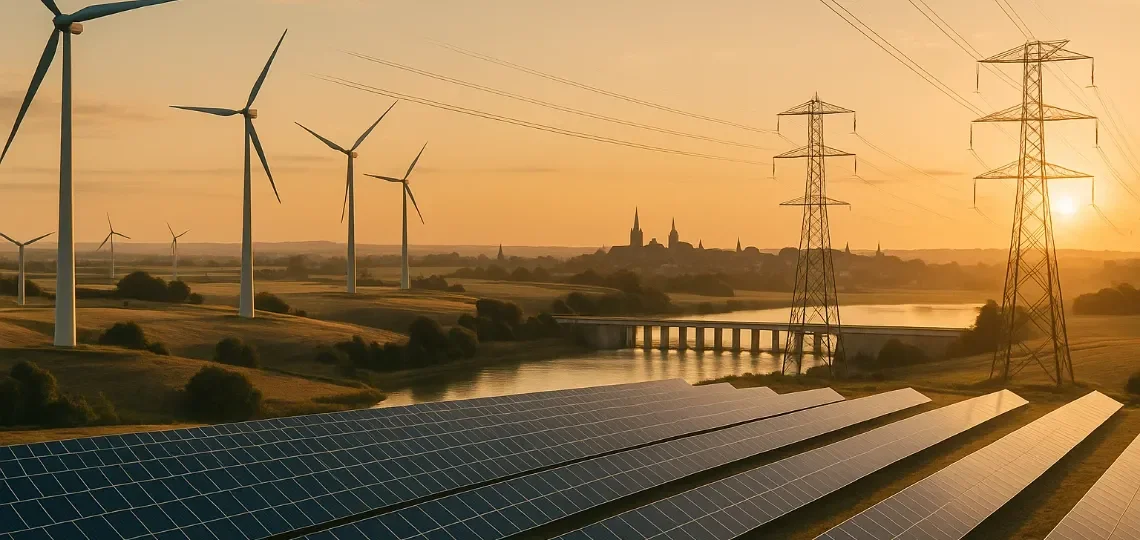
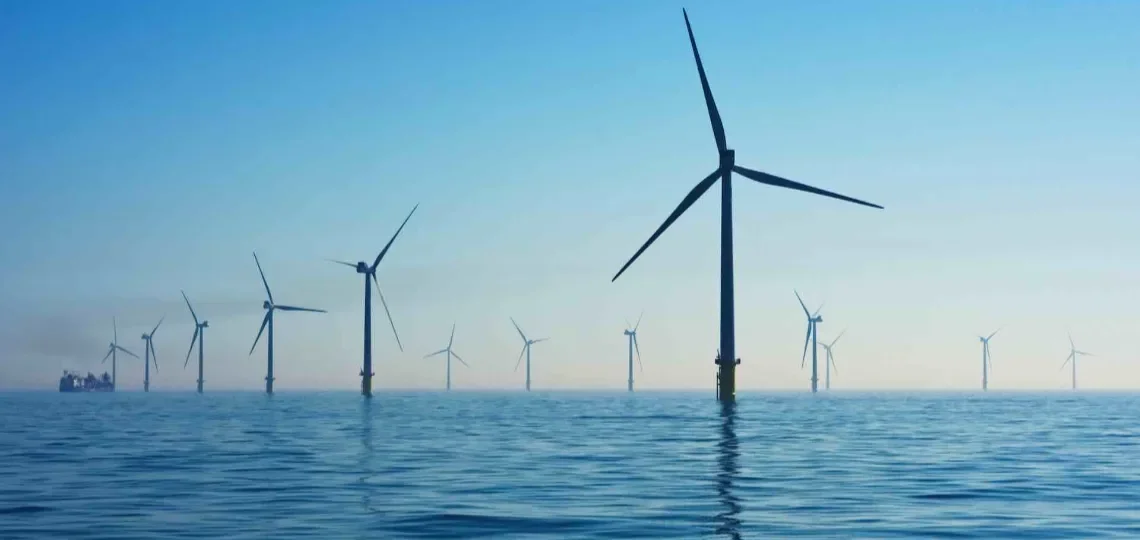
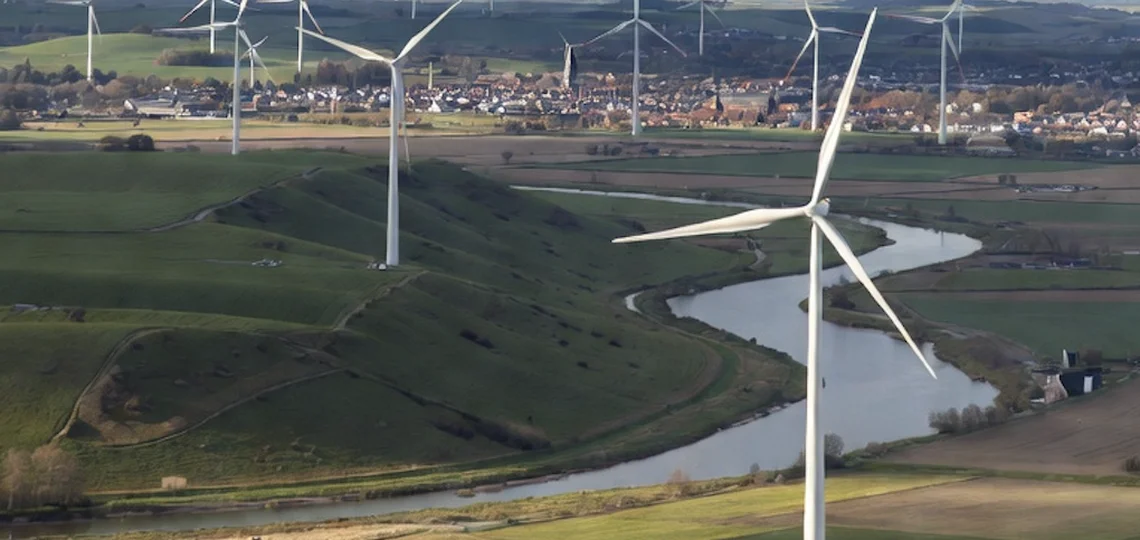
The share of renewable energy in the United Kingdom’s electricity production reached 47% in 2025, setting a new annual record. This progress was driven by strong performance from wind farms, both onshore and offshore, along with solar and biomass plants. However, this growth was partially offset by a 5% increase in electricity generation from natural gas compared to the previous year.
Nuclear decline reinforces gas dependency

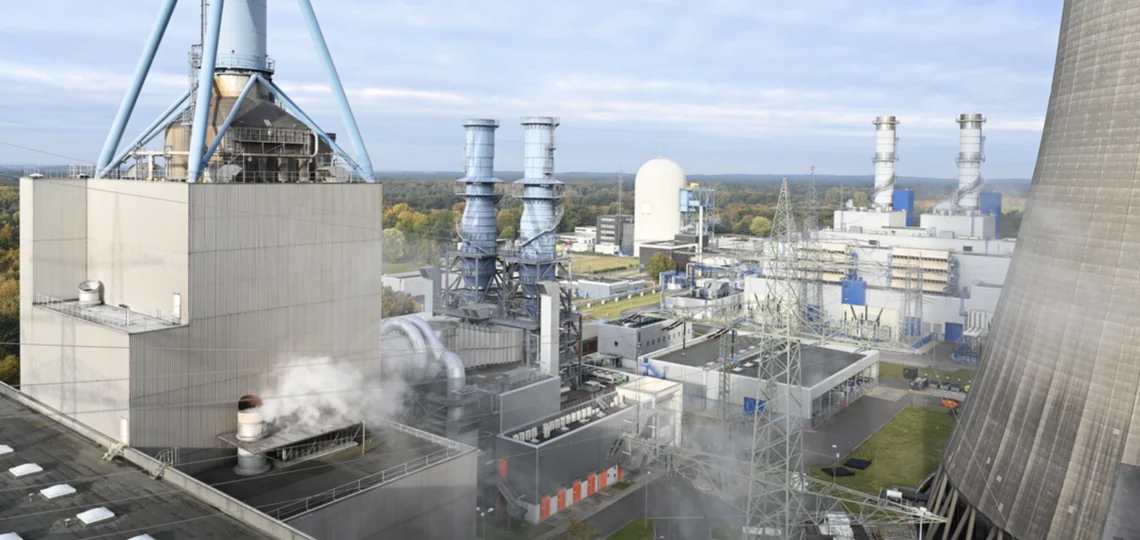
The rise in natural gas usage is largely attributed to a significant drop in nuclear output. The UK’s nuclear fleet recorded its lowest production level in fifty years, with several reactors offline for maintenance or fuel reloading. At the same time, the permanent closure of the country’s last coal-fired power plant in September 2024 removed a supply source that was not fully replaced by renewable or imported electricity.

The increase in CO2 emissions in 2025 comes despite the withdrawal from coal, a milestone for the country. The UK remains one of the European leaders in renewable integration, although Scandinavian countries maintain a clear lead thanks to higher hydroelectric and wind generation.

Electricity demand increases for the second consecutive year

Electricity consumption rose by 1% in 2025, continuing the upward trend started the previous year. The increase is attributed to a growing number of electric vehicles, heat pumps, and data centres being connected to the national grid. This shift adds pressure on generation capacity, despite the growth in renewables.

Data shows that 28% of the UK’s electricity came from gas, 11% from nuclear, and 10% from imports. The National Energy System Operator (Neso) did not meet its 2025 target of operating the grid for at least 30 consecutive minutes without fossil fuel usage.

Decarbonisation targets require faster progress

The UK government aims to meet 100% of electricity demand from decarbonised sources by 2030. It also plans for 95% of total generation to be decarbonised, factoring in its goal to become a net electricity exporter. Achieving these objectives will require an accelerated deployment of renewable capacity, particularly to offset the decline in nuclear output and the rise in consumption.

The progress recorded in 2025 reflects the UK’s ability to transform its energy mix, but continued reliance on fossil fuels highlights ongoing structural limitations within the current system.

Ørsted has signed an agreement to divest 55% of its Greater Changhua 2 offshore wind farm to Cathay Life Insurance, valuing the transaction at approximately DKK5bn ($735mn).
Scottish ministers have approved Boralex’s Clashindarroch wind farm extension, which will include up to 21 turbines and a 50 MW storage capacity.
The Kagurayama onshore wind farm (61.1 MW) begins operations under a secured 2017 FIT tariff, despite grid injection limits and a multi-stakeholder local governance model.
The Trump administration has ordered the immediate halt of five major offshore wind construction sites in the Atlantic, citing national security threats and drawing mixed reactions from industry and political circles.
Policy reversals, reduced performance and corporate disengagement marked an unprecedented slowdown in wind power in 2025, although China continued its expansion at a steady pace.
The Québec government has approved three wind projects totalling 792 MW to meet growing energy demand and support regional economies in Bas-Saint-Laurent and Capitale-Nationale.
French group ENGIE has officially commissioned the Serra do Assuruá complex in the State of Bahia, making it its largest onshore wind project worldwide.
RWE signed a 15-year power purchase agreement with Indiana Michigan Power for the Prairie Creek project, aimed at supporting Indiana’s growing electricity demand starting in 2028.
EDP has signed a long-term electricity supply agreement with Energa for a 322 MW hybrid portfolio combining wind and solar, marking one of the largest contracts of its kind in Poland.
Ocean Winds has deployed a LiDAR buoy off Gippsland to collect accurate data on wind and currents, a key step in its 1.3 GW offshore wind project in Australia.
TerraWind Renewables acquires five projects totalling 255MW in northern Japan, bringing its onshore wind development capacity to 327MW and targeting first commercial operation in 2028.
A consortium led by EDF power solutions has signed a 20-year agreement with Nama PWP to develop a 120 MW wind farm in southeastern Oman, with commissioning scheduled for Q3 2027.
Microsoft expands its partnership with Iberdrola through two new power purchase agreements in Spain, reinforcing its European energy strategy while deepening the use of cloud and artificial intelligence solutions from the US group.
Casa dos Ventos awards Vestas the supply, construction and maintenance of a 184-turbine complex in the state of Piauí, with an investment exceeding $1.01bn.
Warsaw tests long-term support for offshore wind with a structured tender to maximise competition, reduce financial risk and reassure a supply chain under pressure across Europe.
TotalEnergies has sold 50% of a portfolio of wind and solar projects in Greece to Asterion Industrial Partners, valued at €508mn ($554mn), while retaining operational control and the main share of electricity marketing.
Italy’s offshore wind rollout remains at a standstill, freezing over 18 GW of pending projects and weakening national renewable energy targets.
German manufacturer Nordex has secured an order for 34 turbines for a 200 MW project in the Canadian province of New Brunswick, marking its first entry into this region.
OX2 has started construction on three new onshore wind farms in Finland, bringing its total installed capacity in the country to 750 MW, a record level for a private energy sector player.
Italian group Enel has acquired two onshore wind farms in Germany for an enterprise value of €80mn ($86.5mn), strengthening its presence in a stable and strategic market as part of a targeted asset transfer.

All the latest energy news, all the time

Annual subscription

8.25$/month*

*billed annually at 99$/year for the first year then 149,00$/year ​

Unlimited access - Archives included - Pro invoice

Monthly subscription

Unlimited access • Archives included

5.2$/month*
then 14.90$ per month thereafter

*Prices shown are exclusive of VAT, which may vary according to your location or professional status.

Since 2021: 30,000 articles - +150 analyses/week.