French Nuclear Slowdown: Impacts and Forecasts
French nuclear power is off to a slower start than expected, impacting energy production and exports.
| Countries | Belgique, France, Royaume-Uni, Italie |
|---|---|
| Companies | EDF, RTE |
| Sector | Énergie Nucléaire, Fission |
| Theme | Marchés & Finance, Analyse sectorielle |
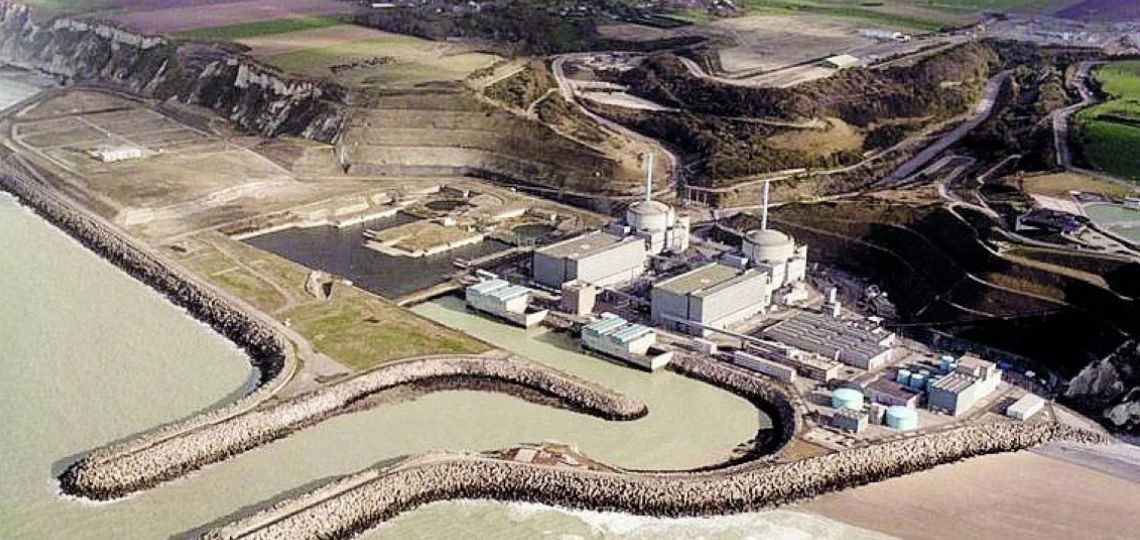
French nuclear generation got off to a slower-than-expected start in November. With an average of 38 GW, although up 8 GW on the previous year, it remains 5 GW below forecasts. This situation is the result of several technical contingencies affecting EDF’s fleet of 56 reactors. Despite this, nuclear generation peaked on November 30 at 43.6 GW, the highest in nine months, coinciding with an increase in demand during the cold snap.
Analyst analysis and forecasts
Analysts at S&P Global Commodity Insights revised their December forecast downwards, from 46.2 GW to 43.9 GW. This revision reflects an estimated total French nuclear output of 320 TWh for 2023, an increase of almost 15% on last year’s 30-year low. This dynamic is notably influenced by the increase in daily load factors at the end of November.
Climate Impact and Reactor Availability
RTE’s peak demand forecast is around 75 GW for December 4, with a downward trend towards 68 GW as temperatures warm up. Four reactors are scheduled to restart by December 6, with a further four planned before the Christmas vacations. However, some reactors, such as Nogent-2 and Golfech-1, experienced restart delays, affecting overall availability. Reactor availability remains a major challenge for the stability of the French energy grid.
Record exports and market dynamics
Despite these challenges, France’s net electricity exports reached their highest level for a month of November since 2015, thanks in particular to exceptionally wet and windy weather conditions. The UK was the main beneficiary of these exports, followed by Belgium and Germany. However, December flows are highly dependent on hourly demand and supply fundamentals. Interconnections with Italy and Great Britain were disrupted, affecting cross-border trade.
The current dynamics of the nuclear power market in France underline the importance of external factors such as weather conditions and technical contingencies. With continuous adjustments in forecasts and production, the French nuclear industry navigates a complex environment, where flexibility and adaptation are essential to meet the changing energy needs of the country and its European partners.