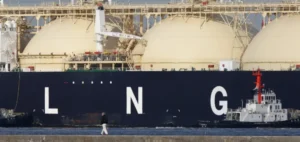

Qatar has issued a series of warnings to the European Union over the implementation of the Corporate Sustainability Due Diligence Directive (CSDDD), arguing it threatens the viability of its liquefied natural gas (LNG) contracts with European buyers. Doha considers that the climate obligations under the CSDDD, particularly the requirement for 1.5 °C-aligned transition plans, are incompatible with its national strategy focused on continued liquefaction expansion.
Extraterritorial obligations at the heart of the dispute
The EU directive requires large companies operating within the bloc, including some non-EU entities exceeding defined thresholds, to identify and manage environmental and social risks throughout their supply chains. For European firms such as Shell, TotalEnergies or ENI, this means proving that LNG flows from state-owned suppliers like QatarEnergy meet due diligence and climate compliance standards. Penalties can reach up to 5% of global turnover.
New methane regulations, applicable to LNG imports from 2024, compound these obligations. Importers will be required to insert contractual clauses mandating emissions monitoring and reduction. The combined effect of the CSDDD and methane regulation compels European companies to renegotiate LNG terms, particularly for volumes sourced from the North Field project.
Diplomatic standoff over gas value chains
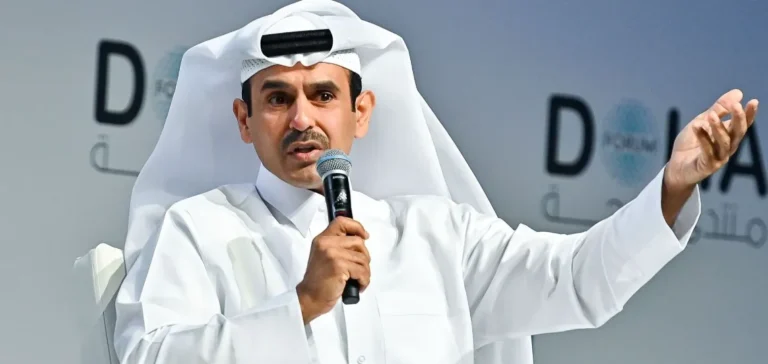
Qatari Energy Minister Saad al-Kaabi, who also serves as CEO of QatarEnergy, has stated the country does not foresee adopting a net zero target “in the near future”. He argues that the EU is overstepping by imposing climate planning criteria on producing states via rules applied to European companies. Official letters have been sent to several European governments, warning of possible LNG delivery reductions if the directive is not amended.
The European Commission is still deliberating internally. Some easing of the directive’s scope has already been approved by the Parliament in November 2025. Meanwhile, the United States and the Gulf Cooperation Council have urged the EU to relax regulatory provisions they see as incompatible with the industrial realities of key energy suppliers.
Mounting pressure on European buyers
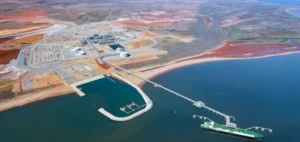
The European Union became the world’s leading LNG importer in 2024, accounting for around 22% of global flows. Qatar supplies roughly 9% of this total, a share expected to rise with the phased start-up of the North Field East and South projects, set to boost liquefaction capacity to 126 Mt/y by 2027. With Russian gas set to be fully phased out by the end of 2027, European reliance on Qatar and the United States is intensifying.
Major European energy companies are now obliged to integrate CSDDD constraints into their long-term contracts. Executives from several energy majors have warned that the EU could lose access to Qatari LNG unless regulatory requirements are adjusted. Negotiations are ongoing to include mitigation mechanisms or flexible application of the directive to state-owned suppliers.
Towards a segmented global gas market?
Qatar is seeking to consolidate its market position amid rapid global liquefaction capacity growth. According to projections, global LNG supply could reach 660 Mt/y as early as 2028. By linking LNG demand to the power needs of artificial intelligence and data centres, Doha is building a narrative in which gas becomes the “energy of AI”, aimed at securing long-term contracts before a potential oversupply.
Against this backdrop, the EU risks underutilising new regasification terminals if some Qatari volumes are redirected to Asia, where ESG constraints are generally less stringent. European buyers now face a strategic trade-off: ensure energy security by accepting regulatory concessions or maintain climate ambition at the risk of rising contractual tensions.