
Finland’s nuclear safety authority has received a third extension to submit its opinion on Posiva Oy’s application for an operating licence for the world’s first deep geological repository for spent nuclear fuel. The Ministry of Economic Affairs has set the new deadline at the end of June 2026, extending a review process that began in May 2022.
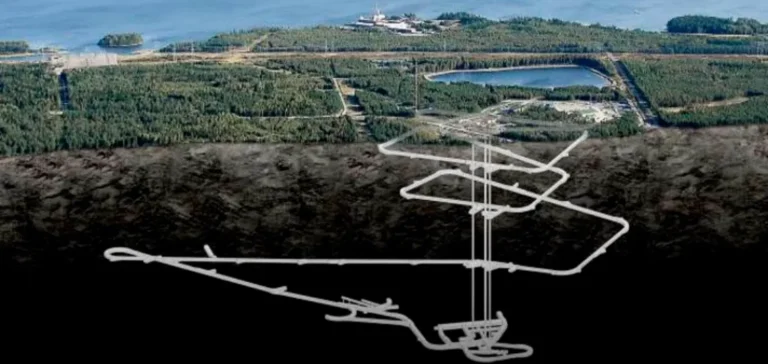
Located in Olkiluoto, the repository is designed to store nuclear waste from Finnish reactors at a depth of 430 metres in bedrock. Posiva submitted its application in December 2021 for a licence covering the period from March 2024 to the end of 2070. While the government holds final decision-making power, it cannot issue the permit without a positive assessment from the Radiation and Nuclear Safety Authority (STUK).
Delays linked to technical modifications
STUK has already approved most of the documents provided by Posiva, but recent technical updates submitted in 2025 prompted further clarification requests. The authority believes it can complete the review by the new deadline but has warned that the timeline remains “tight” for both parties. Recent changes in the materials used for containment, including the replacement of one type of clay with another, have complicated the evaluation of long-term safety.
“The review of the licence application is nearing completion, but delays were caused by documentation gaps, plant modification updates and the scope of revisions,” STUK stated in its latest quarterly report. The agency also identified uncertainties in the safety case analysis, which still require further assessment.
Century-long operational timeline
Posiva received its construction licence in November 2015 and began building the repository in December of the same year. The facility cannot begin accepting spent fuel until the operating licence is granted. Once approved, Posiva will proceed with the final disposal of used fuel from Teollisuuden Voima Oyj’s (TVO) Olkiluoto plant and Fortum Oyj’s Loviisa facility. Operations are expected to continue for approximately 100 years before permanent closure.
The storage system involves sealed iron-copper canisters, a bentonite buffer surrounding each canister, tunnel backfill materials, sealing structures, and the surrounding bedrock. STUK noted that the performance demonstration of the clay buffer remains in progress, calling it a critical component in preventing the spread of radioactive materials.