Port Inc. anticipates Japanese market reforms with profitable battery project by 2025

Port Inc. reports positive results from its battery storage pilot in Gunma, leveraging a regulatory window ahead of adjustment market reforms scheduled for fiscal year 2026.
Share:

Comprehensive energy news coverage, updated nonstop

Annual subscription

8.25$/month*

*billed annually at 99$/year for the first year then 149,00$/year ​

Unlimited access • Archives included • Professional invoice

OTHER ACCESS OPTIONS

Monthly subscription

Unlimited access • Archives included

5.2$/month*
then 14.90$ per month thereafter

FREE ACCOUNT

3 articles offered per month

FREE

*Prices are excluding VAT, which may vary depending on your location or professional status

Since 2021: 35,000 articles • 150+ analyses per week

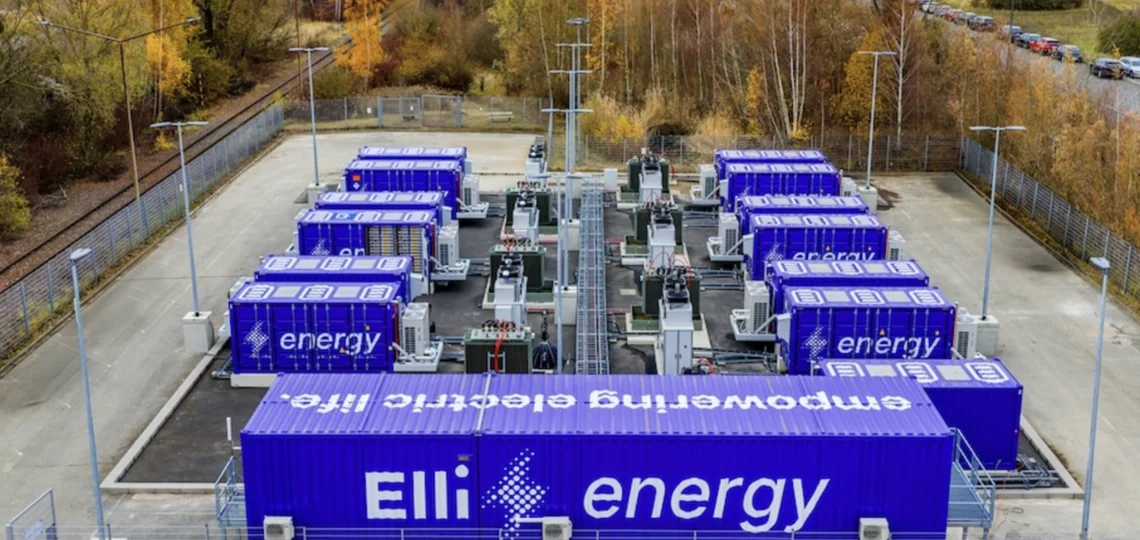
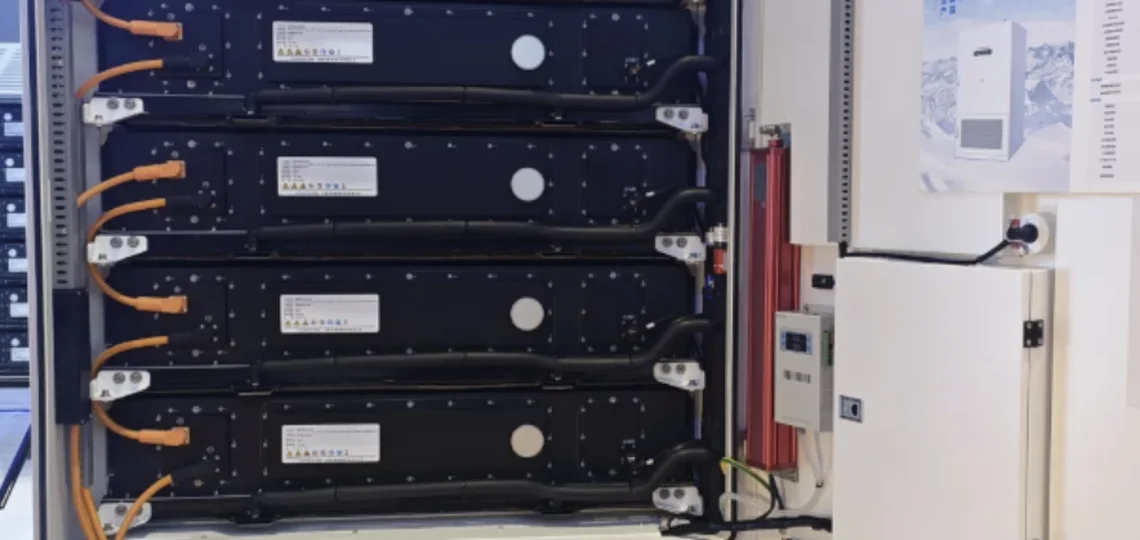
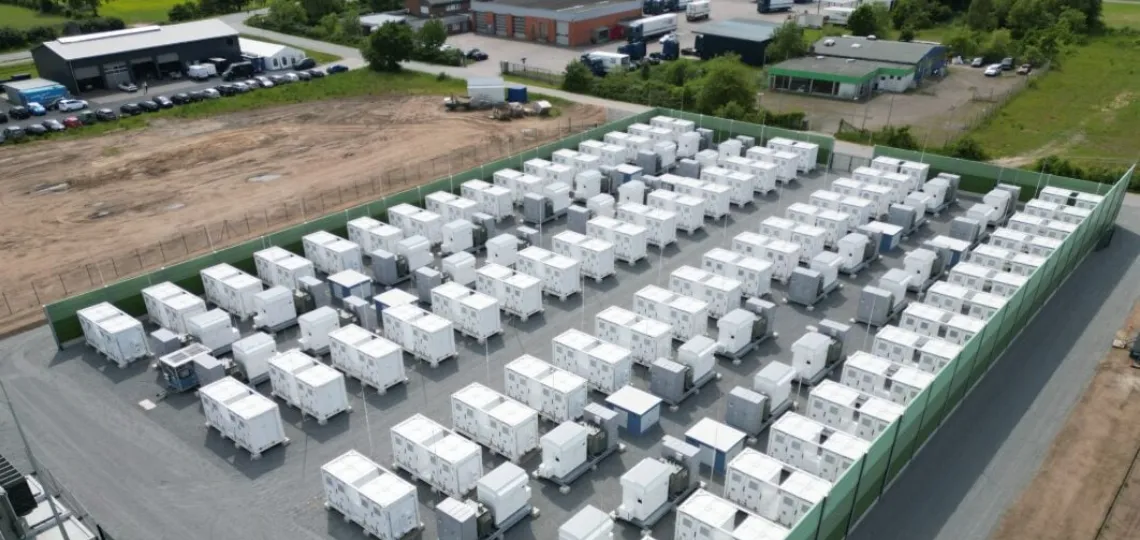
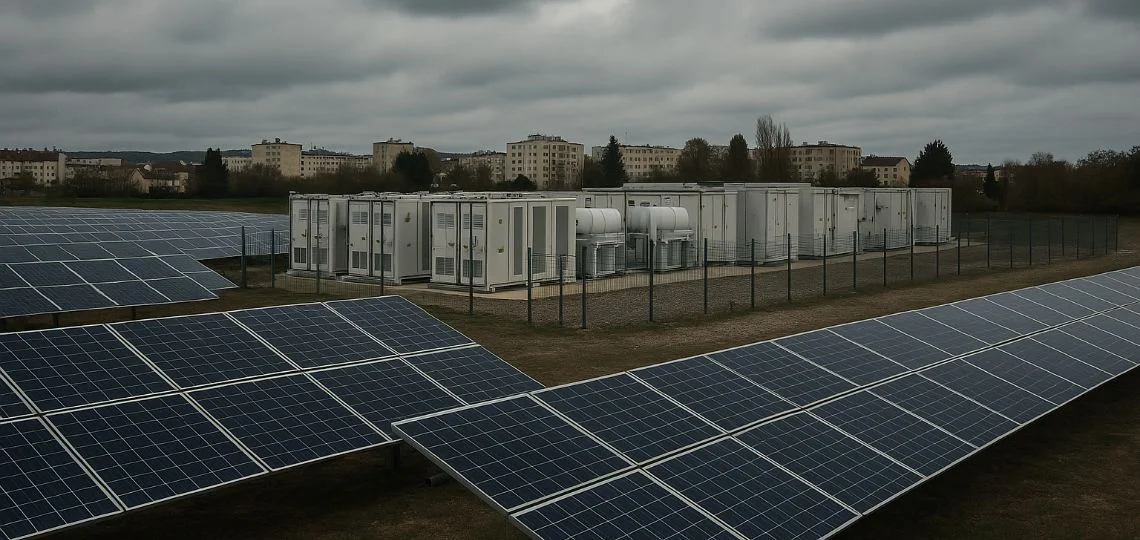
Japanese company Port Inc., historically active outside the energy sector, has announced that its 2 MW/8 MWh Battery Energy Storage System (BESS) pilot in Gunma Prefecture could reach profitability as early as fiscal year 2025. This anticipated profitability relies on a combined exploitation of the spot electricity market and the balancing market, a strategy made possible under the current regulatory framework but potentially impacted by reforms expected in 2026.
Multi-level monetisation in an under-saturated market

Port’s strategic positioning is based on two revenue streams. The first comes from the Japan Electric Power Exchange (JEPX), the spot electricity market, while the second relies on the Electric Power Reserve eXchange (EPRX), which allows batteries to receive payments for providing system services. Port uses aggregation partners to maximise this monetisation. In a market still building liquidity, this strategy secures a premium for the fast response capability of batteries, especially for primary frequency reserve (FCR).

A regulatory window to be locked in before 2026

Port has indicated that a decision on scaling up the project will be made before March 2026. This timeline aligns with expected reforms to the balancing market, which could impact product structures, measurement requirements and compensation mechanisms. In this context, the Gunma pilot also serves as an operational compliance demonstrator, already incorporating contractual constraints related to performance and availability.

Rising number of entrants in a temporarily lucrative segment

Several non-traditional players in the electricity sector, such as Yachiyo Green Energy and JALCO Holdings, are positioning themselves with similar BESS projects, betting on a high-profitability phase ahead of market saturation. These initiatives reflect a shared perception that the current yield opportunity is exceptional but likely short-lived. Aggregation models are becoming a key differentiation factor, incorporating performance guarantees and revenue-sharing mechanisms.

A financing lever and asset securing before congestion

The announcement of early profitability also serves a financing goal: to attract financial partners or green debt instruments before rising land and interconnection costs. Japan’s BESS segment faces structural constraints, including limited interconnection points. By capitalising on a successful first operation, Port aims to rapidly anchor a project portfolio ahead of national pipeline congestion.

Industrial and geopolitical implications of increased deployment

The rapid expansion of battery energy storage systems contributes to improving the stability of Japan’s fragmented grid, split across multiple frequency zones, while marginally reducing reliance on imported fossil fuels. However, this trend also increases dependence on a supply chain dominated by Asian manufacturers of battery cells and electronic components, exposing the sector to potential trade tensions in a context of intensified industrial competition.

Matrix Renewables has signed a turnkey agreement with Tesla to develop a 1 GWh battery energy storage system in Scotland, marking its first standalone project of this kind in the UK.
China's electricity market overhaul improves the profitability of energy storage, supporting a rapid increase in battery exports as global demand rises with data centres and power grids.
South Korea’s Tilda accelerates its entry into Vietnam with an artificial intelligence-based energy optimisation solution for solar and energy storage systems in the manufacturing sector.
Aegis Critical Energy Defence Corp. and Seetel New Energy have created Cordelia BESS to respond to Ontario’s LT2 call for proposals, aimed at strengthening energy capacity through battery storage.
esVolta finalises investment tax credit transfer for its Black Walnut storage project to Computacenter, marking a first-of-its-kind operation within its California energy portfolio.
Peregrine Energy Solutions has begun construction on a 500 MWh storage project in Texas, relying on Wärtsilä's technology and WHC's engineering expertise to enhance ERCOT grid flexibility.
The world's largest battery energy storage system enters service in Saudi Arabia, with an annual capacity of 2.2 billion kWh spread across three strategic sites in the southwest of the country.
Masdar begins commercial operations at a Stockport battery storage unit and announces two more UK projects, part of a £1bn ($1.25bn) plan for 3GWh of BESS capacity.
Australia-based storage platform Akaysha Energy has launched its first operational project, a 155 MW battery in Queensland, while confirming its expansion to over 1 GWh.
LehmanSoft Japan connected a 2MW/8.1MWh energy storage facility to the grid in Chichibu City, marking its entry into the Japanese stationary storage market.
Akuo launches a large-scale electricity storage project in Boulouparis, with a 200 MWh capacity, to support New Caledonia’s grid stability and reinforce the integration of renewable energies.
Spie and Tesla have signed a framework agreement to install battery electricity storage systems in Europe, focusing on France, Poland and Germany.
The group has won a strategic project with operator Amprion to deploy five 50 MW batteries to ease pressure on the German power grid and optimise electricity transmission.
Vena Energy has begun construction of a 408 MWh battery energy storage system in Tailem Bend, marking a new phase in the deployment of its infrastructure in Australia.
The explosion of battery storage applications in Germany is causing grid congestion and pushing Berlin to revise its regulatory framework to prevent market saturation.
The collapse in storage costs positions batteries as a key lever for dispatchable solar, but dependence on Chinese suppliers creates growing tension between competitiveness and supply chain security.
JA Solar has launched a microgrid combining 5.2 MW of solar and 2.61 MWh of storage at an industrial site in Sicily, marking its first application of the "PV+Storage+X" model in Italy.
Sinexcel has installed a 2MW/8MWh energy storage system in Matsusaka, marking a breakthrough in a regulated market after five years of technical partnerships and gradual deployment in Japan.
Inlyte Energy has successfully completed factory validation testing of its first full-scale iron-sodium battery, witnessed by Southern Company, paving the way for a pilot installation in the United States in early 2026.
Neoen begins construction of a new 305 MW stage in Australia, raising its total battery storage capacity in the country to 2 GW, and signs two additional virtual battery contracts with ENGIE.

All the latest energy news, all the time

Annual subscription

8.25$/month*

*billed annually at 99$/year for the first year then 149,00$/year ​

Unlimited access - Archives included - Pro invoice

Monthly subscription

Unlimited access • Archives included

5.2$/month*
then 14.90$ per month thereafter

*Prices shown are exclusive of VAT, which may vary according to your location or professional status.

Since 2021: 30,000 articles - +150 analyses/week.