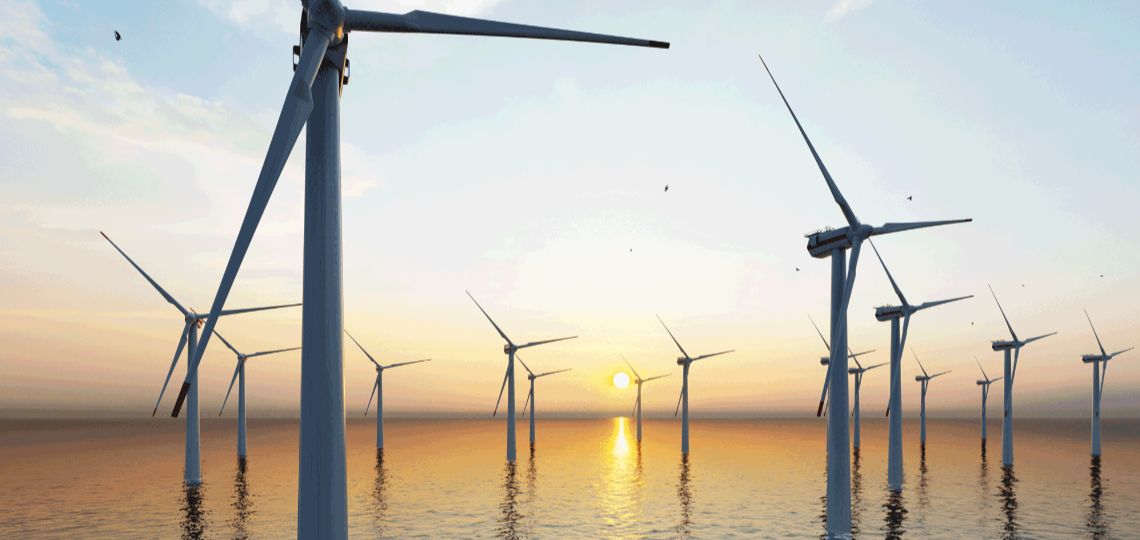
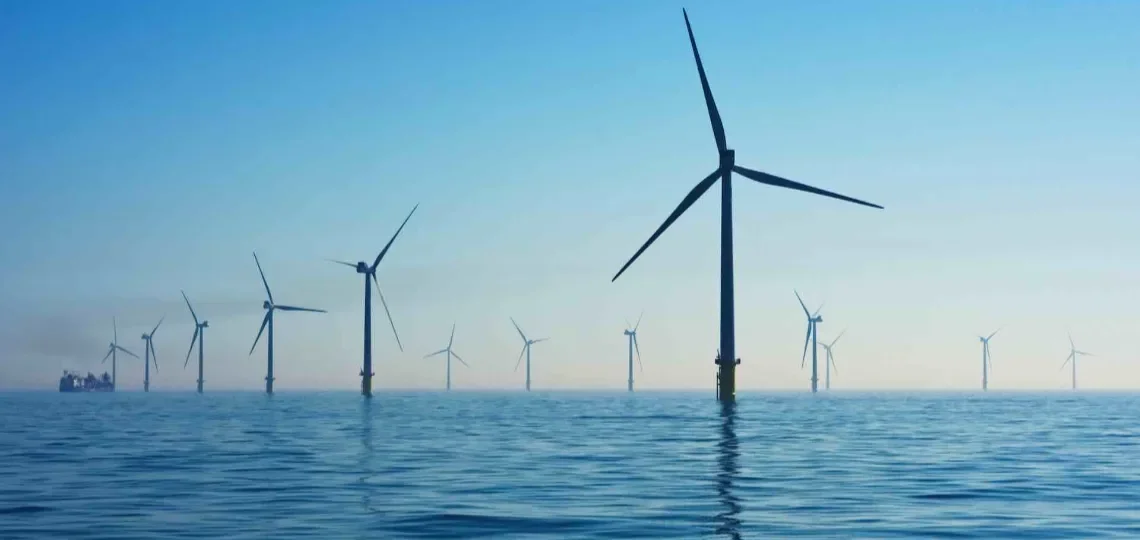
Poland is launching on December 17 a major tender to grant a 25-year contract for difference (CfD) for up to 4 gigawatts in the offshore wind sector. This is the country’s first competitive process for this technology, with the aim of reintroducing a clear price signal and guaranteed revenue in a European market destabilised by subsidy-free mechanisms.
A mechanism designed to attract investors
The proposed support is based on a negative balance coverage, stabilising project revenues against market prices over 25 years. The Energy Regulatory Office (Urząd Regulacji Energetyki, URE) supervises the process through an electronic platform available during a single ten-hour session. To ensure real competition, the tender requires participation from at least three qualified bidders and limits the volume that can be awarded to a single entity.
This approach was made possible by a reform of the Offshore Wind Act adopted on October 9 and effective since late November. The mechanism had already received prior approval from the European Commission under state aid rules, covering Polish offshore support schemes for the post-2025 phase.
Local and international players in the race
Expected bidders include Polska Grupa Energetyczna (PGE), Orlen, and a consortium of Polenergia and Equinor. These groups combine national industrial capacity, international experience, and diverse objectives, from securing regulated portfolios to converting a project pipeline into bankable assets.
For Warsaw, the stakes go beyond simple volume allocation. The aim is to fix a tender model deemed unfit following multiple failures across Europe, where auctions have been cancelled due to a lack of offers, as seen recently in Denmark, Germany and the Netherlands. The government intends to restore trust among financiers and suppliers, particularly amid rising capital costs and uncertainty in logistics chains.
A test for the European model
The Polish design breaks with the “negative bidding” logic by proposing a high floor price intended to trigger firm investment decisions. This framework could reduce the weighted average cost of capital (WACC) and stabilise engineering, procurement and construction (EPC) contracts, as well as bookings for vessels and port equipment.
A successful outcome in Poland could influence regulatory decisions in other Member States currently revising their own offshore frameworks. Several indicators will be closely watched: the number of valid bids, the spread of offered prices, and how the marginal price compares with regulatory ceilings. The depth of competition will also be key in assessing whether the structure avoids capture by a single player.
Towards a strategic repositioning of the sector
A successful tender could reposition CfDs as a viable policy tool in European energy strategies. By introducing predictable support, Poland aims to stimulate an industrial and logistical recovery in offshore wind, a segment affected by delays and suspended projects across the continent.
Energy security is also central to the move. By accelerating the deployment of domestic non-fossil capacity, Warsaw seeks to reduce dependence on imported fuels while bridging the gap created by delayed nuclear deployment. For companies, winning a 25-year contract is a major asset in securing financing, structuring cash flows and strengthening governance profiles.