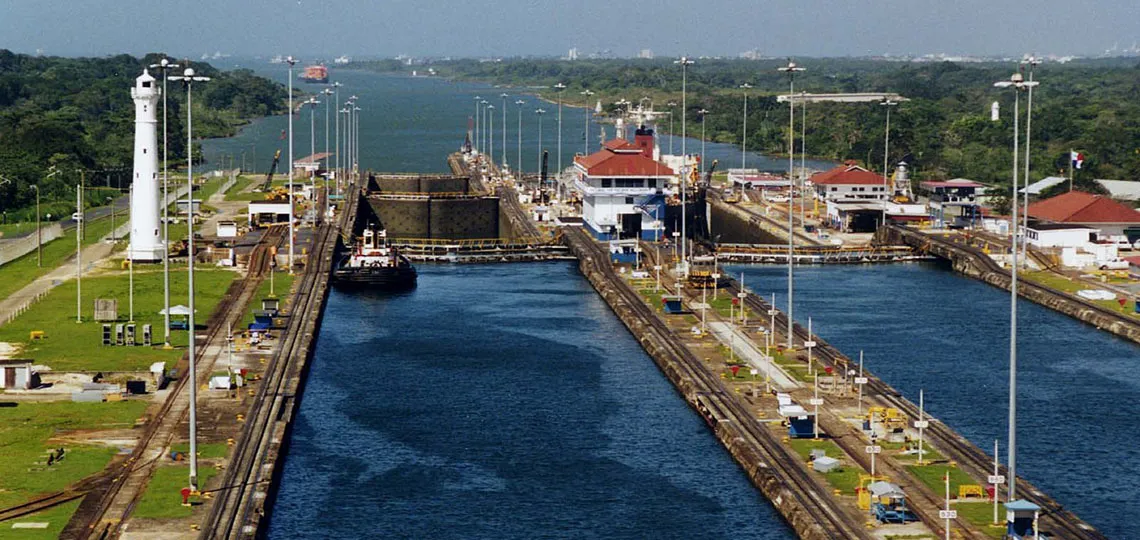
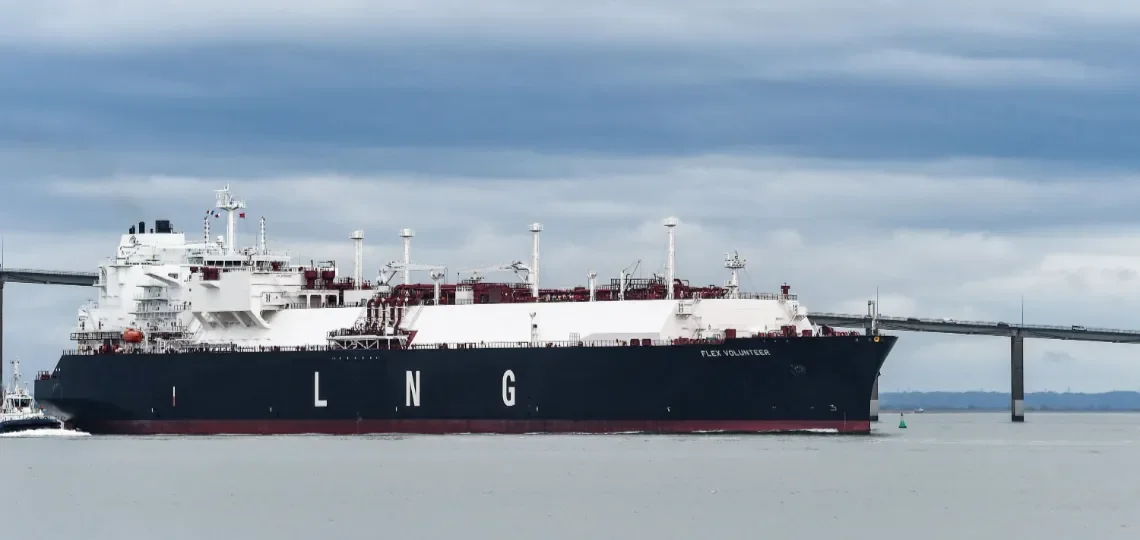
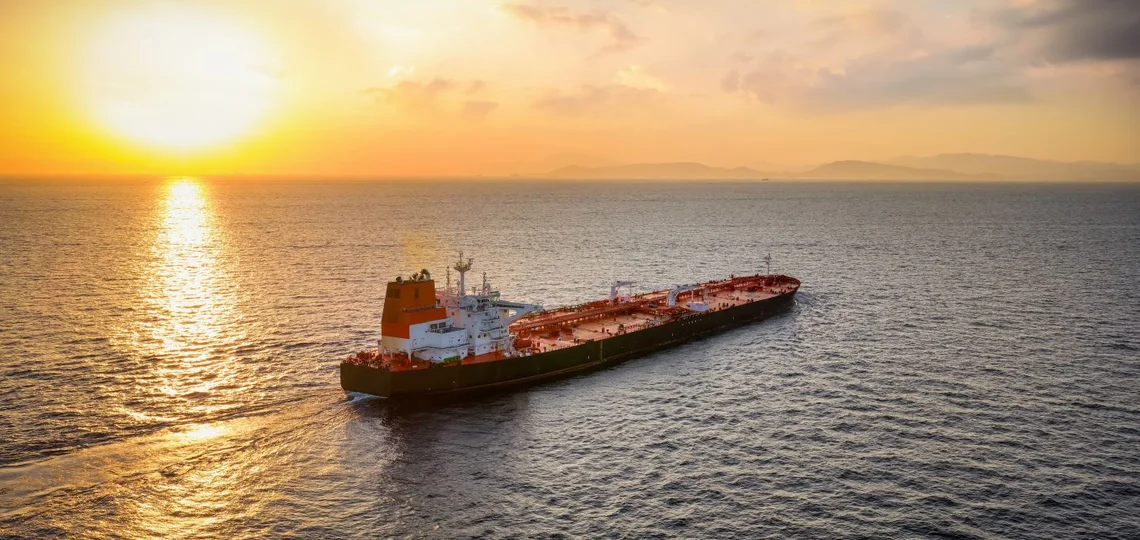
US liquefied natural gas (LNG) exports are now heavily concentrated in Europe, significantly reducing the strategic role of the Panama Canal in intercontinental energy flows. In November, nearly 70% of US LNG cargoes were shipped to Europe, compared to just 16% to Asia. This redirection is reshaping global LNG trade routes and weakening Panama’s position as a key node in transpacific exchanges.
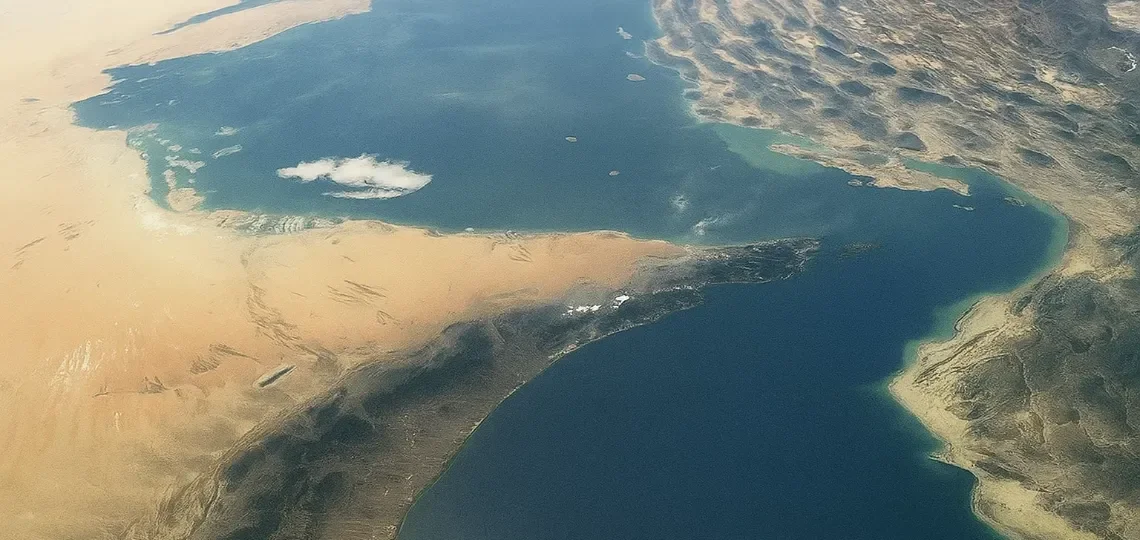
Economic arbitrage no longer favours Asia
Logistics data shows that the cost difference between the Panama route and the Cape of Good Hope route is no longer sufficient to justify the absence of favourable price signals in Asia. Transport via Panama costs $2.21/MBtu compared to $3.21/MBtu via the Cape, but the net spread to Asia remains at only $0.225/MBtu. This does not compensate for the risks of congestion and hydrological volatility in Panama. Meanwhile, the increased liquidity of European gas markets (TTF, NBP) and supply stability further boost Atlantic basin appeal.
Structural risks affecting Panama Canal
Climatic conditions in 2023 and 2024 severely impacted the canal’s operations, prompting the Panama Canal Authority (ACP) to lower authorised draft limits and introduce a new auction-based system, LoTSA 2.0. This mechanism cuts long-term reserved slots from four to three per day, increasing uncertainty for spot LNG vessels. Slots are now predominantly allocated to container lines and other regular maritime flows.
Logistics shift across LNG supply chain
In response, US exporters—particularly terminals like Sabine Pass and Cameron LNG—are strengthening their long-term commitments to Europe. Operators such as New Fortress Energy are reconfiguring routes, using Mexico as a redistribution hub for the Pacific basin. In Asia, buyers like JERA and KOGAS are revising procurement strategies, favouring closer suppliers such as Qatar and Australia to offset reduced US flexibility.
Market and pricing implications
The decline in US LNG transits through Panama reinforces regional segmentation. Europe has become the main destination for US volumes, potentially weakening the traditional linkage between TTF and JKM indices. This new configuration is also increasing demand for LNG carriers on longer routes via the Cape of Good Hope, with a limited impact on freight rates. Meanwhile, it reduces arbitrage margins and the ability of traders to capitalise on rapid shifts between basins.