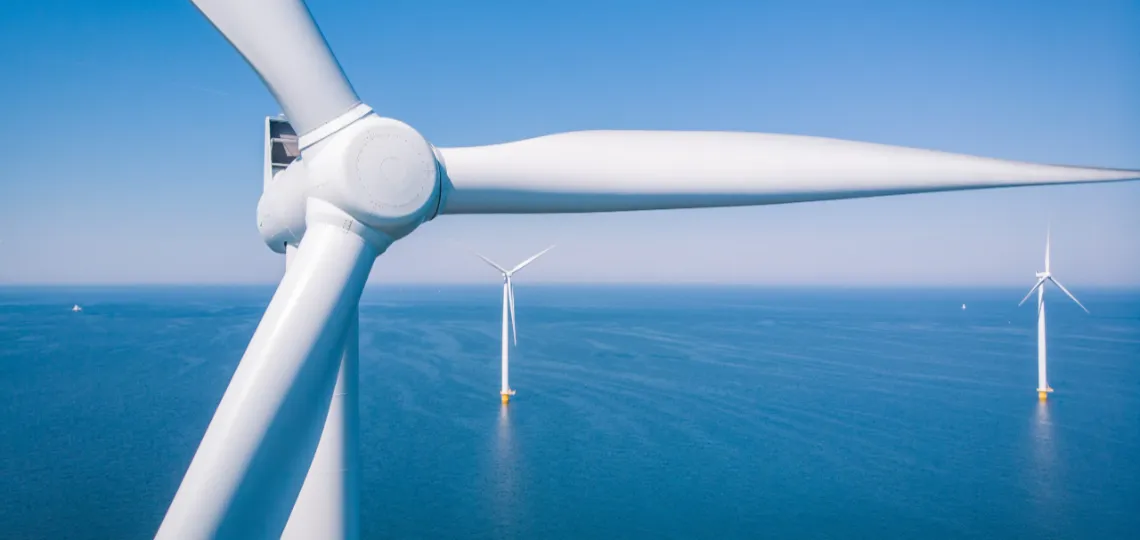
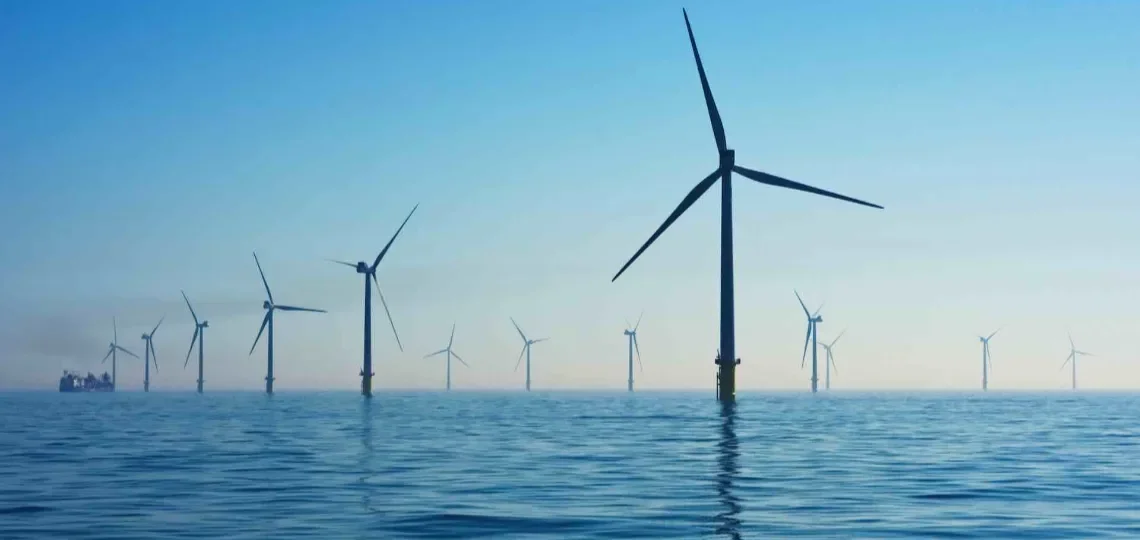
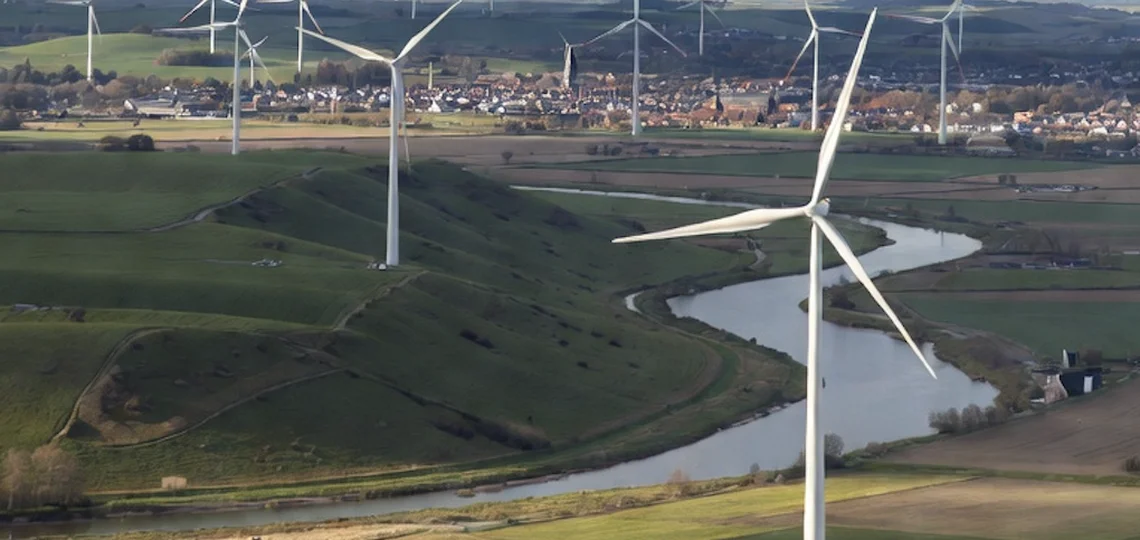
Ørsted has initiated legal proceedings in the United States against the Trump administration’s decision to halt its Revolution Wind offshore project, located off the coasts of Rhode Island and Connecticut. The Danish offshore wind developer announced it had filed a case with the federal court in Washington seeking a preliminary injunction against the suspension order, which was issued under the justification of “national security”.
A joint venture with previously approved permits
Revolution Wind is developed through a 50/50 joint venture between Ørsted and Skyborn Renewables, a subsidiary of Global Infrastructure Partners, now part of BlackRock. The wind farm was expected to begin generating electricity in early 2026 for two East Coast states. Ørsted argues the project is suffering “significant harm” due to the suspension, despite having secured all federal and state permits in 2023. The regulatory review process began more than nine years ago and concluded with a record of decision (ROD) signed by the Bureau of Ocean Energy Management (BOEM) and other agencies.
704 MW and nearly 90% completion
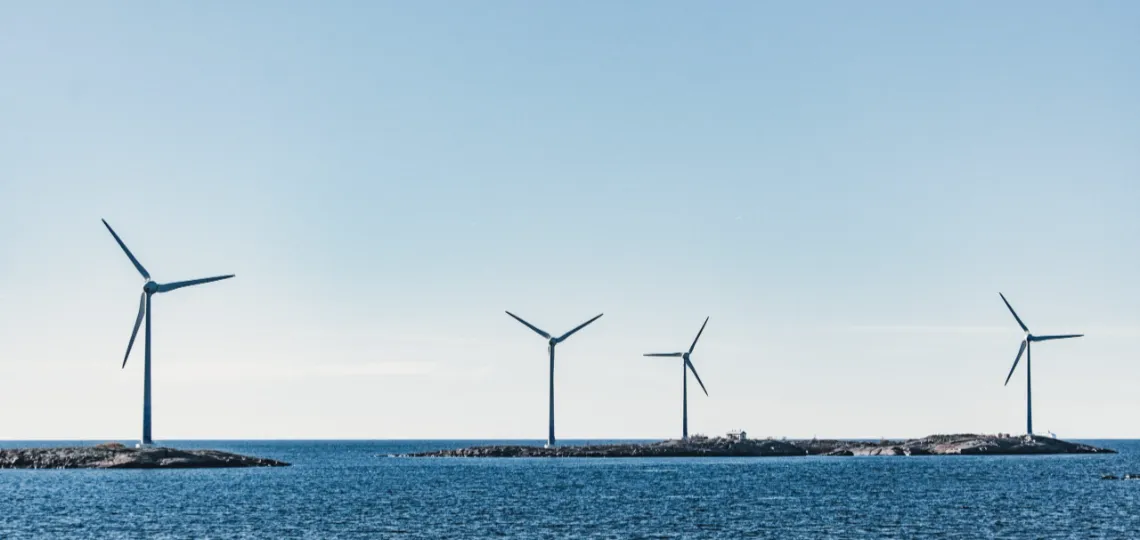
With an installed capacity of 704 MW, the project includes up to 65 wind turbines and two offshore substations. It is designed to supply 400 MW to Rhode Island and 304 MW to Connecticut under 20-year power purchase agreements. As of the latest available data, 58 turbines had already been installed, representing approximately 87% completion.
The project’s ownership structure has evolved over time. U.S. utility Eversource completed its exit from offshore wind by selling its stake in Revolution Wind and South Fork Wind to Global Infrastructure Partners. The gross adjusted proceeds of the transaction amounted to $745mn.
Suspension based on security considerations
On December 22, 2025, the U.S. Department of the Interior announced the immediate suspension of leases for five major offshore wind projects under construction along the East Coast, including Revolution Wind. The suspension, initially set for at least 90 days, could be extended. Federal authorities cited radar interference risks caused by turbine structures and blade movements, a claim disputed by several states and local officials.
Dominion Energy Virginia, developer of the Coastal Virginia Offshore Wind (CVOW) project, has also filed a similar legal complaint against the suspension.
A strained context for U.S. offshore wind
The temporary halt comes amid mounting pressure on the U.S. offshore wind sector, already affected by rising construction costs, supply chain challenges and increasing interest rates. These factors have forced several developers to revise their portfolios. Ørsted, for example, announced a €1.6bn impairment in early 2025 related to its U.S. activities, including Sunrise Wind.
Since returning to office in January 2025, Donald Trump has issued repeated criticisms of wind energy, accompanied by moves to freeze federal permits and funding. These actions have impacted the financial viability of numerous projects along the Atlantic coast.