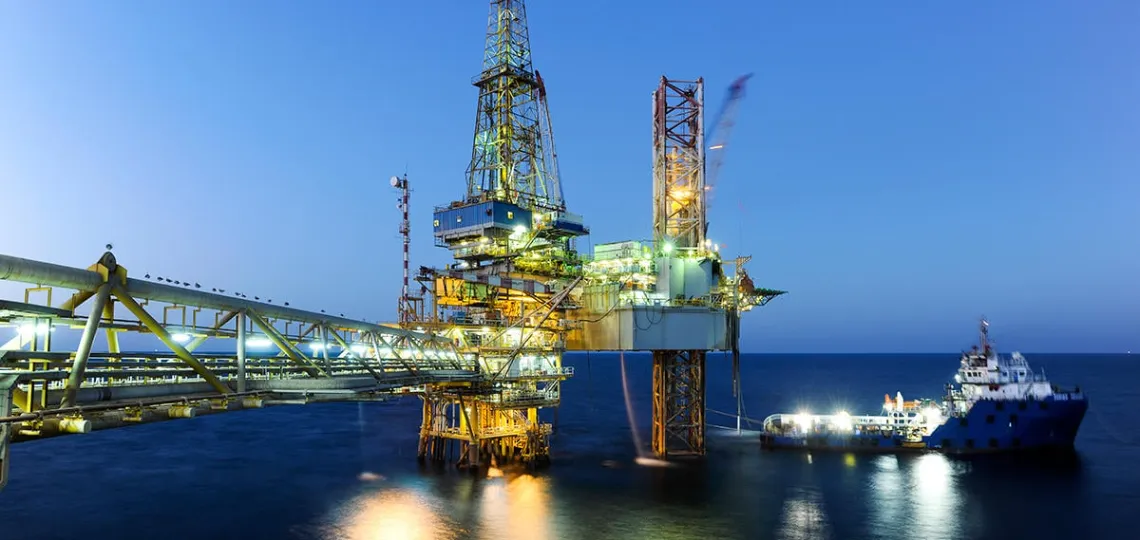
The rapid growth of offshore oil and gas activity in the Caribbean is repositioning logistics infrastructure as a critical link in upstream strategies. While discoveries and final investment decisions are multiplying, the ability to deploy offshore projects now largely depends on the availability and efficiency of onshore hubs, from support bases to ports designed for complex deepwater operations.
Onshore bases at the heart of offshore supply chains
Guyana illustrates this strategic shift. Now one of the fastest-growing offshore producers globally, the country’s development has been supported by dedicated logistics infrastructure. Opened this year, the $300mn Vreed-en-Hoop Shore Base complements existing facilities operated by Guyana Shore Base. These hubs provide services ranging from pipe storage and drilling fluid management to vessel assistance and customs procedures. The objective is clear: reduce turnaround times and ensure operational continuity at sea.
Trinidad and Tobago, a regional pioneer, has long relied on the strategically located Galeota Point site. Positioned in the southern part of the archipelago, it acts as a logistics centre for offshore gas fields. Its capabilities cover drilling campaigns, maintenance and production support, highlighting the integration of logistics into the country’s gas value chain.
Suriname: anticipating logistics needs ahead of first production
In Suriname, large offshore discoveries now under development are already transforming port infrastructure. Facilities in Paramaribo, such as the Kuldipsingh Port Facility, have secured long-term contracts to support offshore operations. Meanwhile, ComPort NV is preparing a dedicated supply base, and DP World Paramaribo is expanding its integrated services to meet the demands of the hydrocarbon sector.
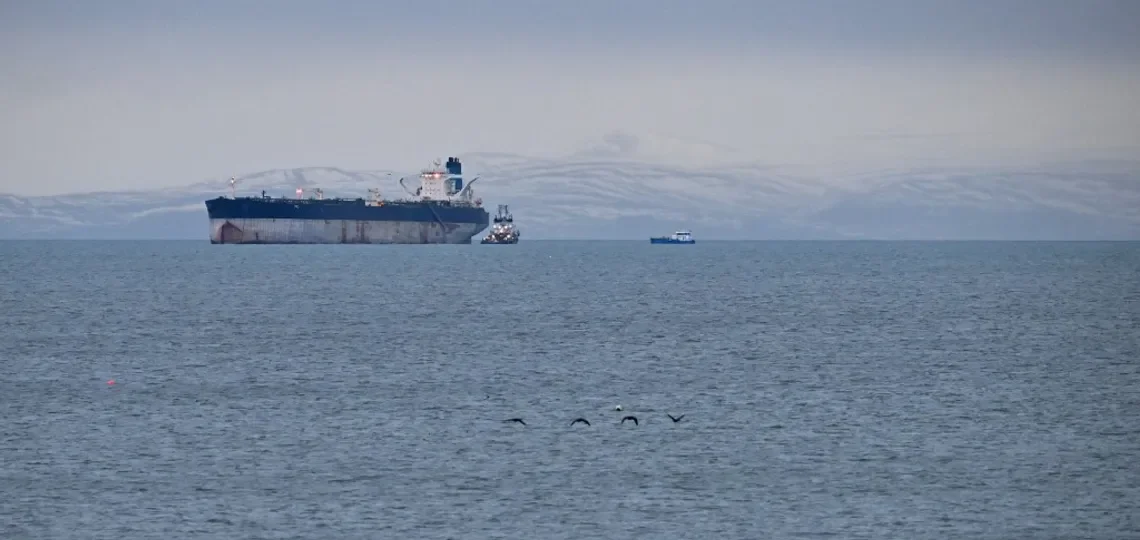
In complex offshore environments, a single day of downtime can cost several million dollars. The proximity, reliability and operational availability of logistics hubs are therefore becoming key economic variables. Ports must now accommodate larger support vessels, handle heavy subsea equipment and integrate digital logistics systems to meet operator expectations.
A strategic issue for governments and investors
Planning, site selection, water depth, hinterland connectivity and environmental permitting will be central to discussions at Caribbean Energy Week 2026. The session focused on building logistical hubs will bring together developers, port authorities, service providers and public officials to discuss investment frameworks, often involving public capital, public-private partnerships and private financing.
Security and infrastructure resilience also remain top priorities. Specialised bases and secured ports play a vital role in handling hazardous materials, coordinating emergency responses and ensuring compliance with international maritime standards. These logistics platforms are set to become pillars in positioning Caribbean states as competitive players in global energy supply chains.