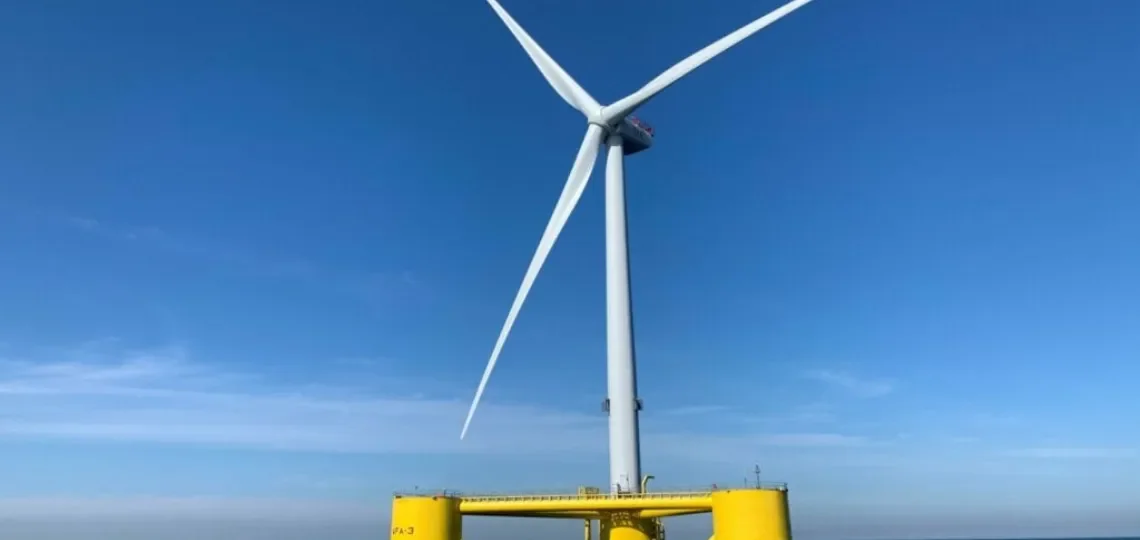
Ocergy SAS anchors its Lidar buoy for biodiversity analysis
Ocergy SAS, in collaboration with strategic partners and a scientific committee, has anchored its OCG-Data Blue Oracle floating buoy pilot in one of the pre-selected areas for the Mediterranean floating wind tender (AO6).
| Sectors | Wind Energy, Marine & Hydraulic Energy, Floating |
|---|---|
| Themes | Innovation & Transformation, Sector Innovation |
| Companies | Ocean Winds, Bureau Veritas, Skyborn Renewables |
| Countries | France |
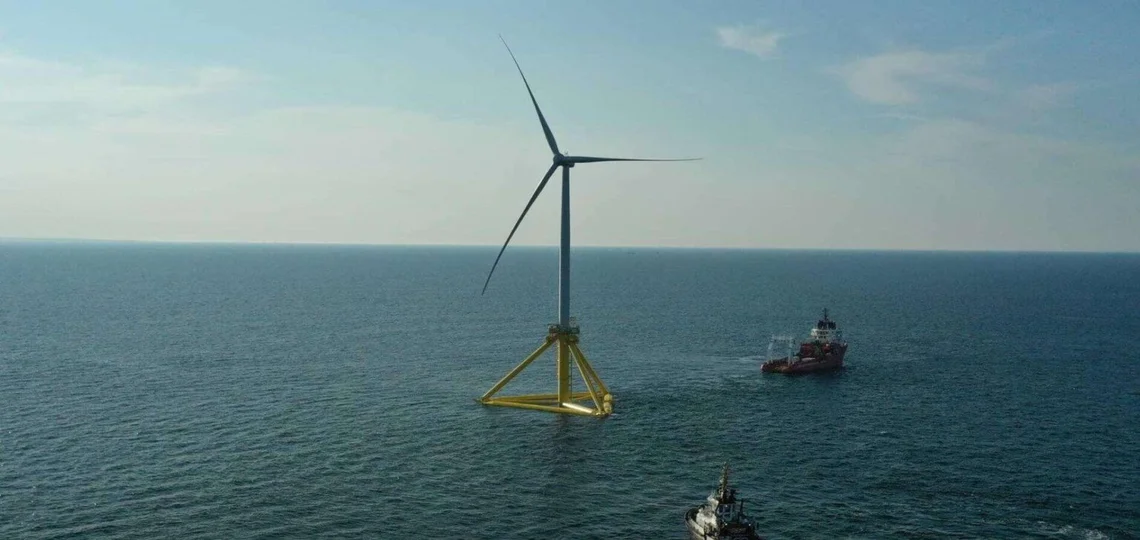
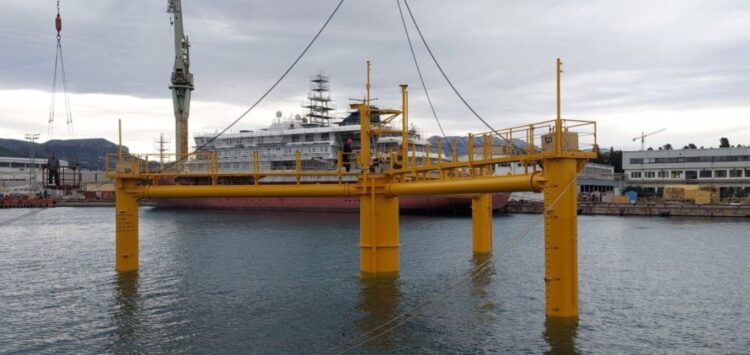
Ocergy SAS announced that its pilot OCG-Data Blue Oracle (Buoy with Lidar and Underwater Equipment for Ocean Resource Assessment and Characterisation of Life in the Environment) is now anchored 30 km off the coast of Leucate in the Occitanie region, at a depth of 95 meters, in one of the pre-selected areas of the Mediterranean floating wind tender (AO6).
Key partners for an important project
High resolution data on weather and biodiversity are already being acquired. Ocergy is leading the project, which is partly financed by ADEME (Agence de l’environnement et de la maîtrise de l’énergie), and is working with strategic partners such as Skyborn Renewables, Tachysséma Développement, the University of Perpignan CREM and Sens of Life, each of which has a key role in the project.
A scientific committee composed of CRPMEM, Ecocean, Ocean Winds, Semantic-T.S., Chorus and Bureau Veritas also provided important input to the project. The main suppliers of the project, such as Brodosplit for the fabrication of the buoy, Jifmar for the offshore installation and Vryhof for the supply of anchor and mooring, were also thanked by Ocergy.
State-of-the-art equipment for accurate data collection
The buoy is equipped with compact TP Product structural flanges and a Vaisala Windcube lidar. It was assembled at Euroports’ marine renewable energy terminal in Port-la-Nouvelle. Christian Cermelli, president of Ocergie SAS, said that this “key milestone closes the first year of the project and the scientific teams are eager to embark on the year-long data acquisition and analysis phase, which should provide valuable information on biodiversity and the environment.”
This facility is an important step for the renewable energy industry, as it will provide valuable data on ocean resources and a better understanding of marine ecosystems. The results of this study could help guide future floating wind energy projects in the Mediterranean, which will contribute to achieving the European Union’s sustainable development goals.