North Macedonia: A Strategic Partnership with SOCAR for Energy Security
North Macedonia strengthens its energy security with an agreement with SOCAR, aiming at the diversification of natural gas supplies and innovative projects like gas cogeneration.
| Sectors | Gas, Natural Gas |
|---|---|
| Themes | Policy & Geopolitics, Energy Security |
| Companies | SOCAR |
| Countries | Greece, North Macedonia, Serbia, Russia |
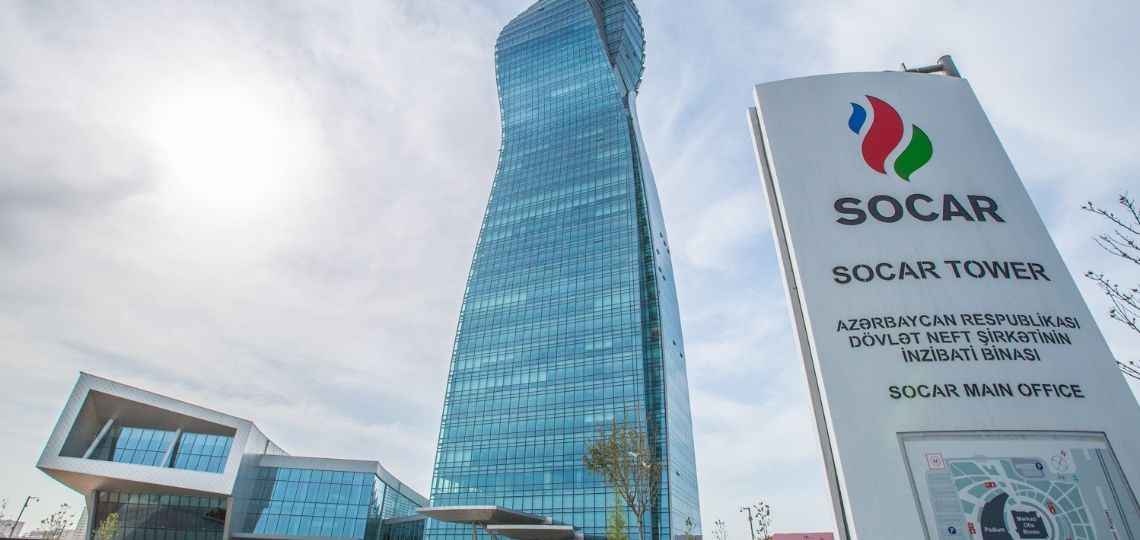
The electricity company of North Macedonia, ESM (Elektrani na Severna Makedonija), and SOCAR (State Oil Company of Azerbaijan Republic) recently signed a Memorandum of Understanding (MoU) to collaborate in the energy sector. This agreement comes amidst growing concerns about energy security and the transition to more sustainable solutions.
North Macedonia is highly dependent on energy imports, particularly natural gas from Russia and neighboring countries such as Greece. This dependence exposes the country to geopolitical and economic fluctuations, creating significant energy vulnerabilities. The aim of this cooperation is to mitigate these risks by diversifying supply sources.
SOCAR’s ambitions and the role of the Southern Gas Corridor
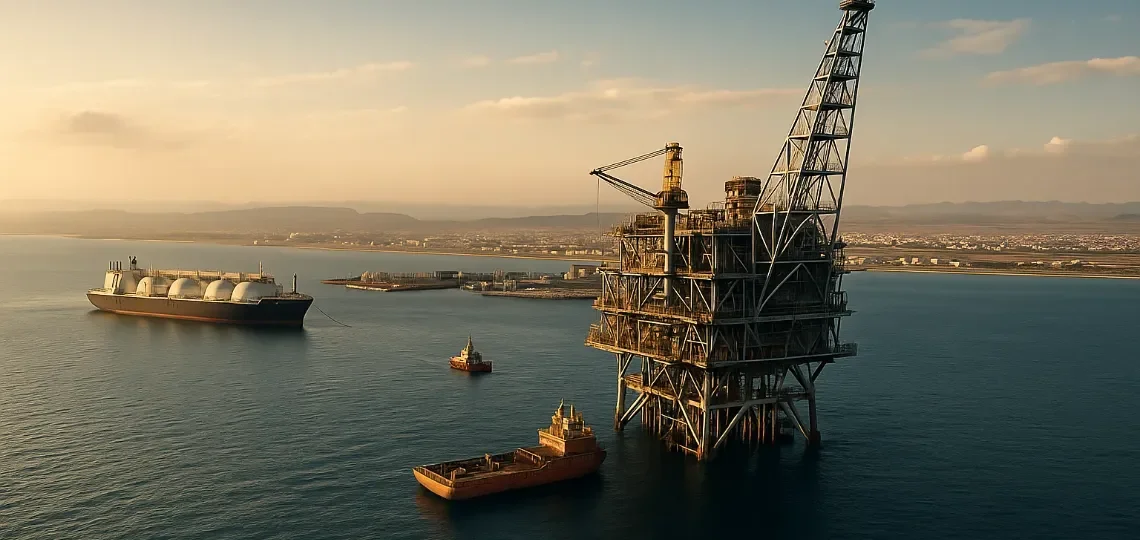
SOCAR, a key player in the global energy sector, exploits strategic gas resources in the Caspian Sea. Its export network, notably through the Trans-Anatolian Gas Pipeline (TANAP) and the Trans-Adriatic Pipeline (TAP), provides direct connections to European markets. By partnering with SOCAR, North Macedonia hopes to access stable natural gas volumes while stabilizing prices.
This approach aligns with a broader European Union strategy to reduce reliance on Russian gas. For North Macedonia, integration into the South European energy corridor represents a strategic opportunity to improve its energy resilience.
Investing in cogeneration for greater efficiency
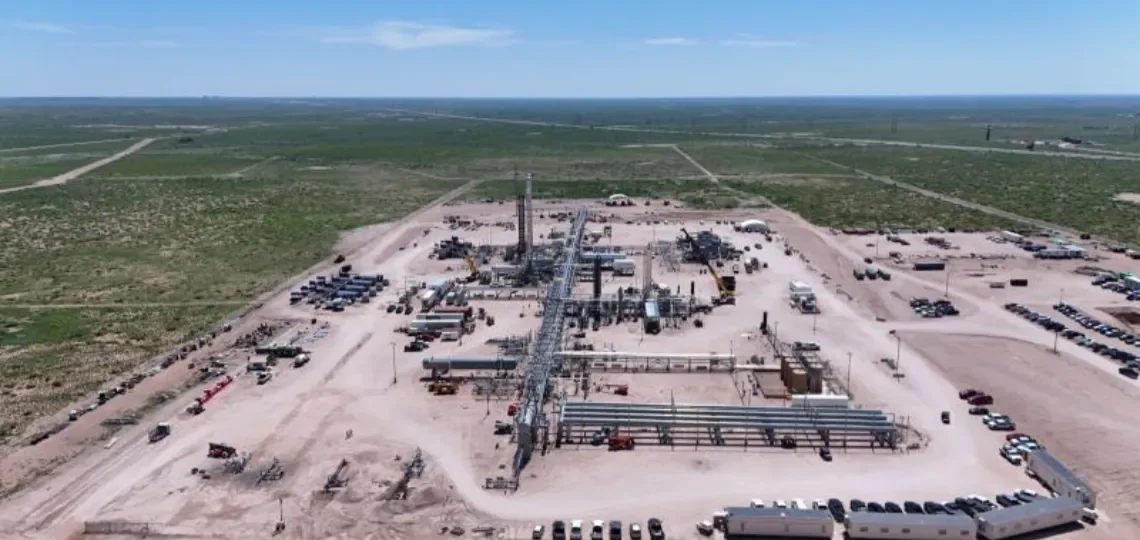
As part of this cooperation, North Macedonia plans to invest €1 billion in a gas cogeneration system. This technology will simultaneously produce electricity and heat, optimizing the use of fossil resources while reducing energy losses.
Cogeneration could meet domestic and industrial heating needs, which are highly seasonal in the country. It would also contribute to reducing CO2 emissions while improving overall energy efficiency.
Geopolitical and economic implications
This agreement has significant geopolitical implications. By partnering with SOCAR, North Macedonia strengthens its position in the regional energy landscape. This partnership may also inspire other initiatives in the Balkans, where countries like Serbia are also seeking to diversify their energy supply sources.
Economically, the predictability of gas supply will help reduce energy costs for local industries, supporting business competitiveness. However, in the long term, integrating renewable energy sources will remain essential to meeting the country’s climate commitments.
An energy transition still in progress
Despite the short-term benefits of this partnership, reliance on natural gas persists. North Macedonia must intensify efforts to integrate more renewable sources into its energy mix, in line with its commitments under the Paris Agreement and the objectives of the European Green Deal. While energy diversification is essential, it must be balanced with sustainable investments to ensure an effective energy transition.