Niger orders CNPCNP executives to leave over breach of local content rules
Nigerien authorities instruct the local arm of China National Petroleum Corporation to repatriate expatriates who have held positions for over four years, citing violations of local content requirements and economic sovereignty.
| Sectors | Oil, Gas, Exploration & Production, Gas Exploration & Production |
|---|---|
| Themes | Regulation & Governance, Public Policy |
| Countries | China, Niger |
The Nigerien government has ordered the expulsion of all expatriates who have worked for more than four years at China National Petroleum Corporation Niger Petroleum (CNPCNP), a subsidiary of the Chinese state-owned China National Petroleum Corporation (CNPC). This decision, to be enforced by May 31, aims to reinforce the implementation of local content regulations in the oil sector, in accordance with the Labour Code and contractual obligations.
In a letter dated May 21, Petroleum Minister Sahabi Oumarou called for the immediate termination of the contracts in question. The move follows a series of governmental actions since March 2025, when three Chinese executives were expelled for failing to comply with new local content regulations.
Corrective measures imposed on the Chinese subsidiary
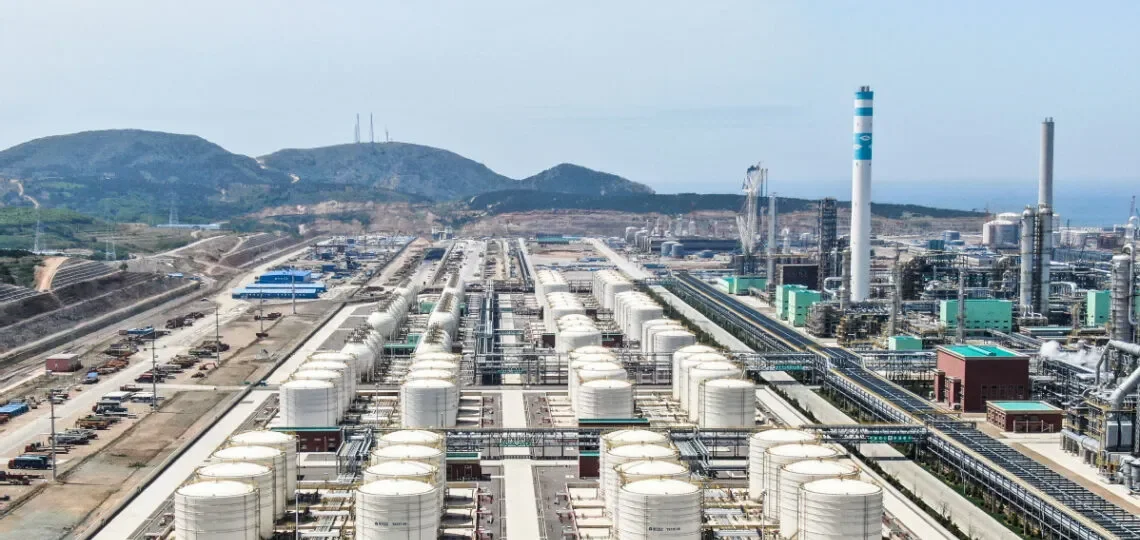
Nigerien authorities accuse CNPCNP of keeping expatriates in roles without transferring skills to local staff, maintaining disproportionate wage gaps, and managing key operations—such as the Zinder refinery—from China. The Petroleum Ministry considers these practices incompatible with the current legal framework in Niger.
Alongside the expulsions, Niamey is enforcing several structural measures. These include the revision of salary scales, the opening of WAPCO’s shareholding—operator of the Niger-Benin pipeline—to the Nigerien state, mandatory subcontracting to local firms, and the appointment of Nigerien personnel to strategic leadership positions within CNPCNP.
A political message in a post-coup context
The government’s tougher stance comes in a post-coup environment, with the ruling military junta reassessing strategic economic partnerships. Rebalancing relations with China—now a dominant actor in both oil and hospitality sectors—has become a political priority. In March, the closure of the Chinese-owned Soluxe Hotel over discriminatory practices and tax violations had already set a precedent.
While CNPC has referred to ongoing discussions with Nigerien authorities, the government has maintained that no exemptions will be granted regarding economic sovereignty. Niger, which holds significant hydrocarbon reserves, seeks to transform the oil sector into a tool for domestic development through stronger local control of production and governance assets.