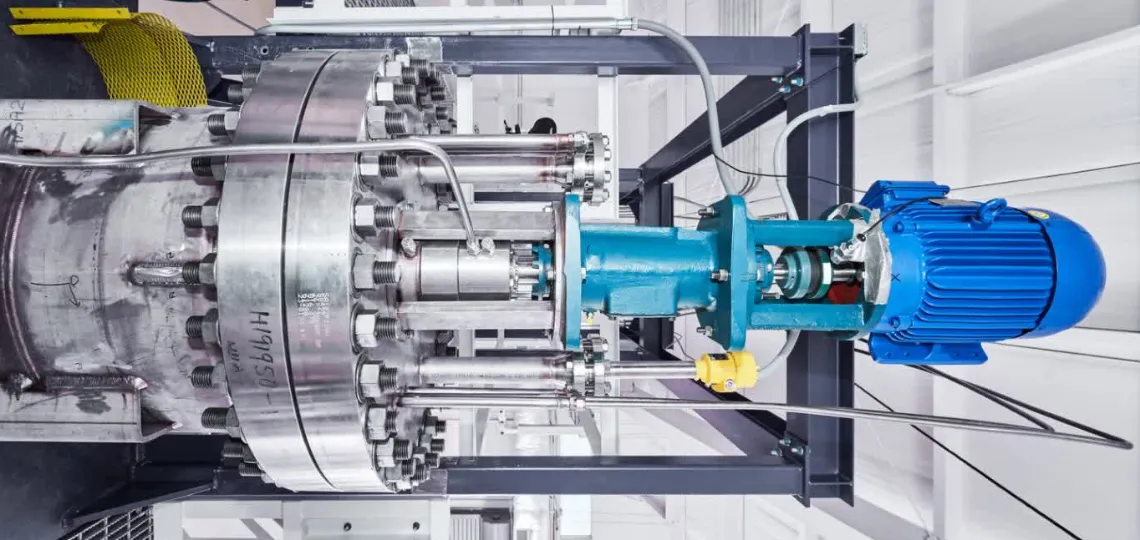
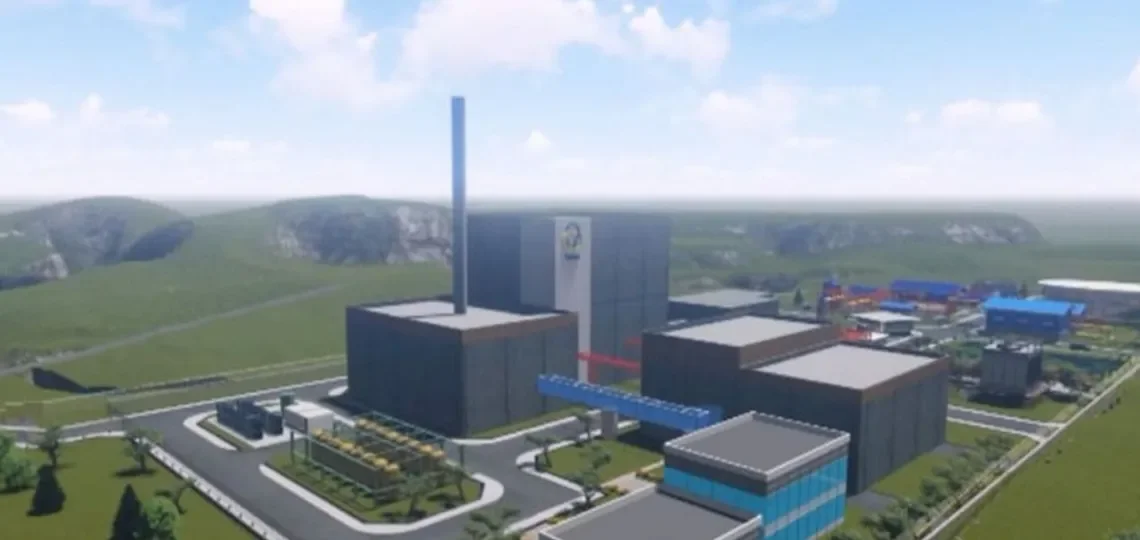
Natura Resources LLC has signed a specific transactional agreement with the United States Department of Energy (DOE) to initiate the authorisation process for its MSR-1 modular reactor. This molten salt reactor will be deployed on the campus of Abilene Christian University (ACU), Texas, in a facility that is already complete.
This partnership is part of the Reactor Pilot Program, established following Executive Order 14301, which aims to achieve criticality in at least three DOE-authorised reactors by 4 July 2026. Natura aims to be among the first operators to meet this objective with a physically operational project, unlike other initiatives still in conceptual or experimental phases.
A fully built site awaiting commissioning
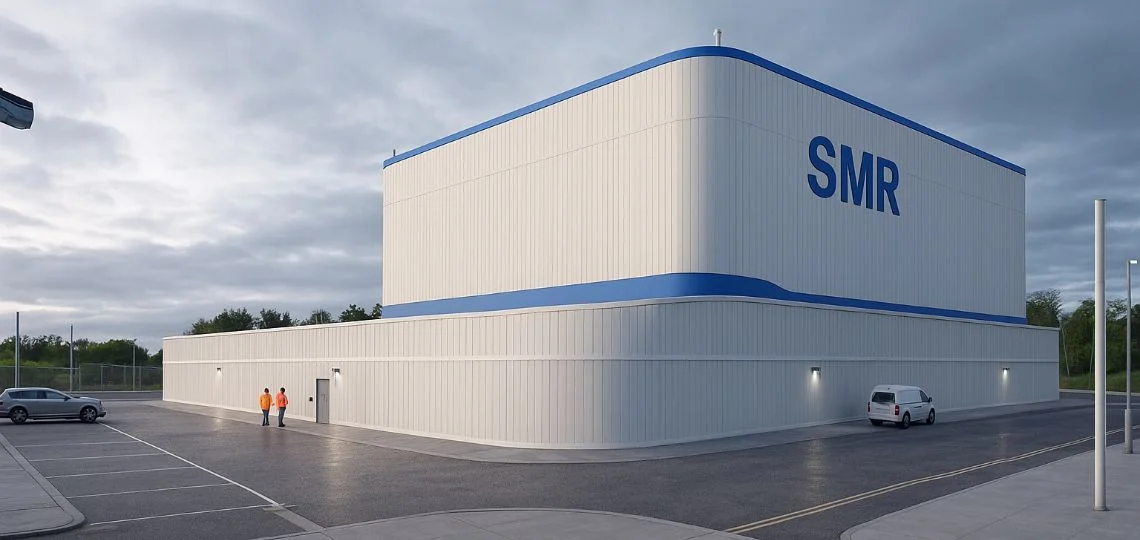
The MSR-1 reactor will be installed at ACU’s Science & Engineering Research Center (SERC), whose construction began in March 2022 and was completed in August 2023, over 18 months. This facility will host one of the few liquid-fuel reactors under the programme, marking a significant industrial step for molten salt technology.
As part of the cooperation, the DOE has conditionally committed to supply High-Assay Low-Enriched Uranium (HALEU) for the MSR-1 reactor. This conditional supply is a strategic element for the project’s implementation within the federal programme’s timeline.
A parallel regulatory pathway alongside the NRC
Natura has confirmed that after initial commissioning is approved by the DOE, the company will continue with licensing procedures under the United States Nuclear Regulatory Commission (NRC) to operate the reactor as a university research facility. Seeking DOE authorisation at this stage allows the company to accelerate deployment of the MSR-1 while adhering to national regulatory requirements.
Natura Resources Chief Executive Officer Doug Robison stated that the agreement with the DOE enables the company to “move quickly toward authorised operation” of the reactor, noting that the infrastructure is already in place to receive the MSR-1 system. He added that the partnership does not exclude NRC involvement, but is a complementary strategy to ensure regulatory compliance and development timelines.
A trajectory aligned with federal objectives
The MSR-1 project stands out for its integration of technological development and regulatory compliance in an academic setting. By joining the federal pilot programme, Natura aims to provide a tangible demonstration to help revive innovation in the US civilian nuclear sector. The agreement signed with the DOE now provides the legal framework for commissioning operations.
According to official statements, the collaboration with the DOE would allow the company to accelerate technology maturation while meeting federal safety requirements. The next step remains the DOE’s final authorisation to initiate reactor criticality before the national target date.