Myanmar resumes LNG imports with first shipment since 2021
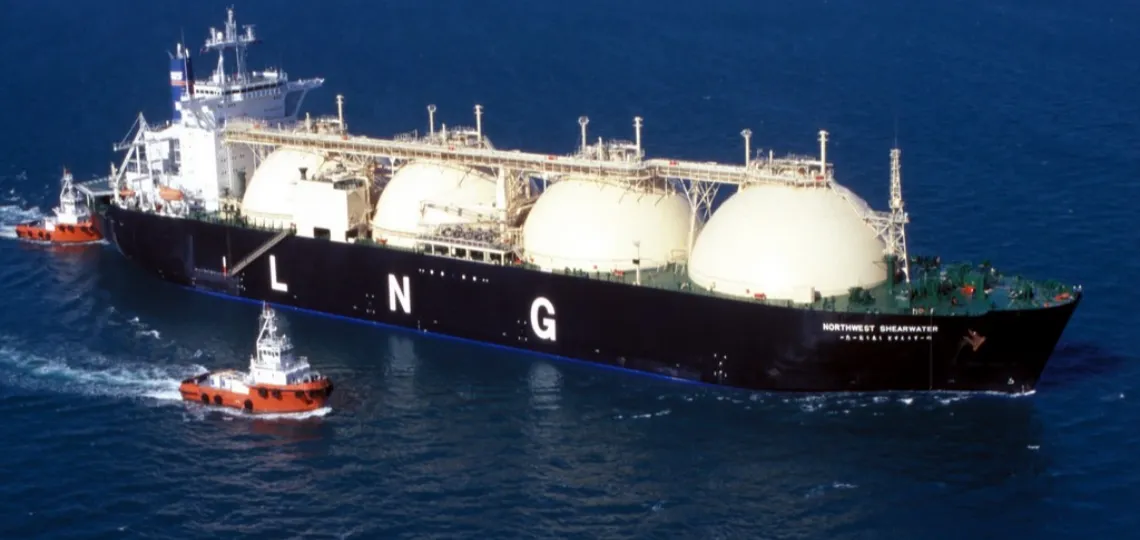
After a hiatus of more than four years, Myanmar has resumed liquefied natural gas deliveries, receiving a half-cargo in November to supply two state-funded power generation projects.
| Countries | Myanmar, Malaisie |
|---|---|
| Companies | Kpler, Petronas |
| Sector | Gaz |
| Theme | Investissements & Transactions |
Myanmar is set to re-enter the liquefied natural gas (LNG) import market in 2026, after taking delivery of a half-cargo in November, marking the first such shipment since 2021. The move is part of a public investment effort aimed at restoring national electricity generation capacity, which has been significantly affected by supply shortages since the suspension of deliveries.
According to data from analytics firm Kpler, Myanmar is expected to import 0.4 million tons of LNG next year. This volume will support the restart or ramp-up of two LNG-fuelled power plants: the 200-megawatt Thanlyin plant and the 300-megawatt Thaketa plant. Both projects are considered priorities by the authorities to meet demand in the Yangon region.
A strategic shipment from Malaysia
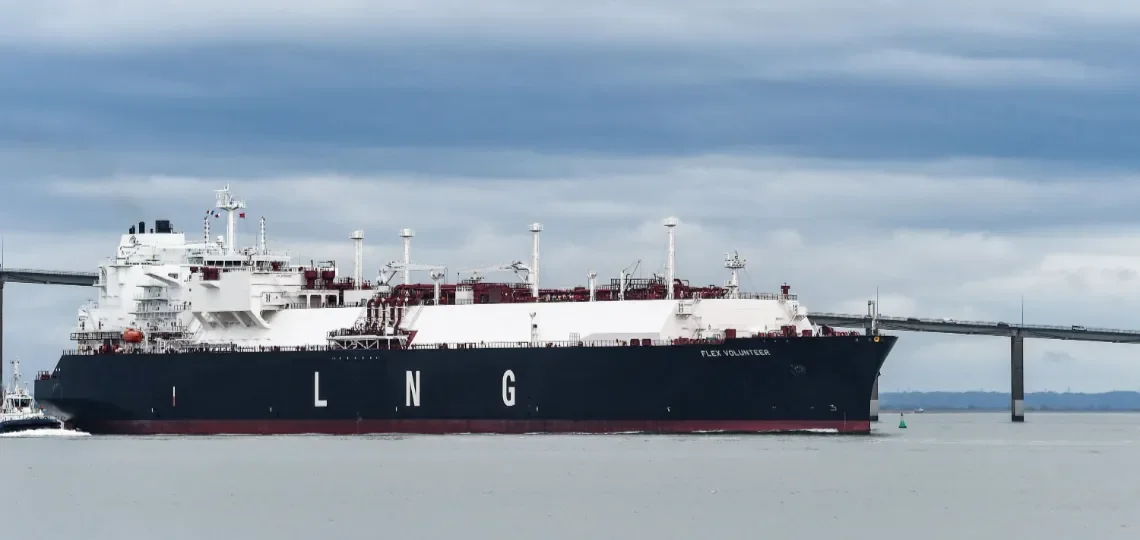
The Dapeng Princess tanker loaded the fuel at the Bintulu liquefaction terminal in East Malaysia on November 12. It then delivered the cargo to the Thilawa floating storage unit (FSU) located south of Yangon on November 23. Only half of the cargo was discharged, likely to supply initial test runs of the generating units, according to Kpler’s observations.
The receiving terminal consists of a floating storage unit and an onshore regasification station. It is operated by CNTIC VPower Energy, a joint venture between China National Technical Import and Export Corporation (CNTIC) and Hong Kong-based power distributor VPower Group. The floating unit was moored in Yangon on November 16, according to maritime tracking data.
Energy projects revived by public funding
The country first began importing LNG in June 2020 with a shipment from Malaysian state-owned company Petronas. Deliveries were halted just over a year later following the military coup. Since the launch of the terminal, Myanmar had received a total of 550,000 tons of LNG before the last delivery in August 2021.
The partial shipment in November marks a step toward resuming publicly funded imports through infrastructure projects designed to improve the country’s energy resilience. No detailed timeline has been released for future shipments. CNTIC and VPower Group have not commented on ongoing operations.
Import capacity under reconstruction
Restarting supply operations will depend heavily on logistical coordination between the floating terminals and the combined-cycle power plants. Myanmar’s return to the LNG market comes amid high unmet domestic demand, especially in densely populated urban centres. Public authorities are relying on targeted investments to stabilise production and limit the economic impact of recurrent power cuts.
Forecasts for 2026 point to a gradual recovery, though still subject to the continuity of maritime logistics and the securing of public funding required for sustainable operation of the current infrastructure.