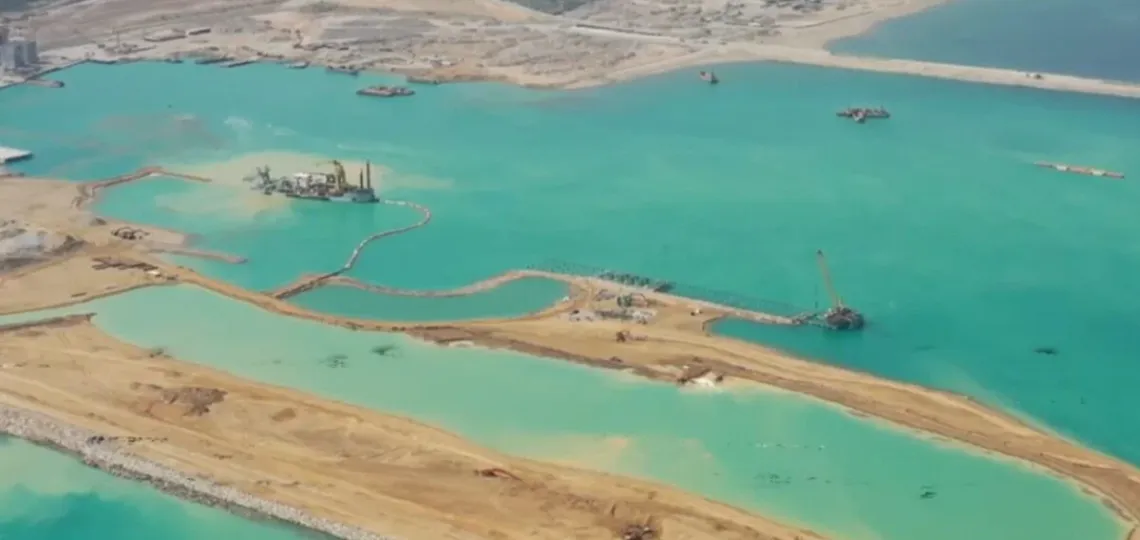
Morocco has confirmed its objective to launch its first liquefied natural gas (LNG) import terminal by 2027, based on a floating storage and regasification unit located at the port of Nador West Med. This infrastructure represents a central step in the public programme to develop the country’s gas import capacity amid reliance on external supply.
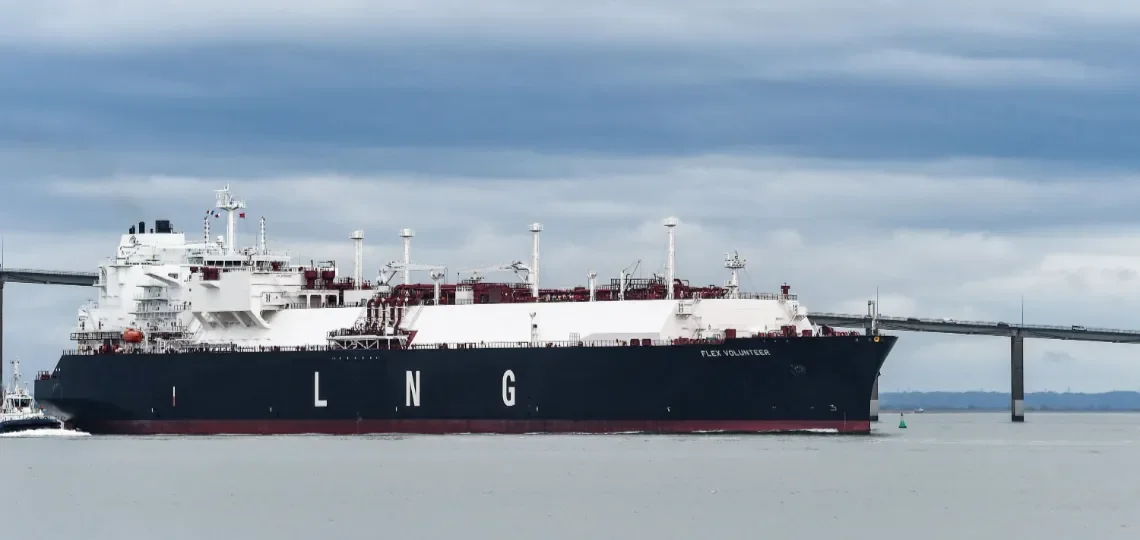
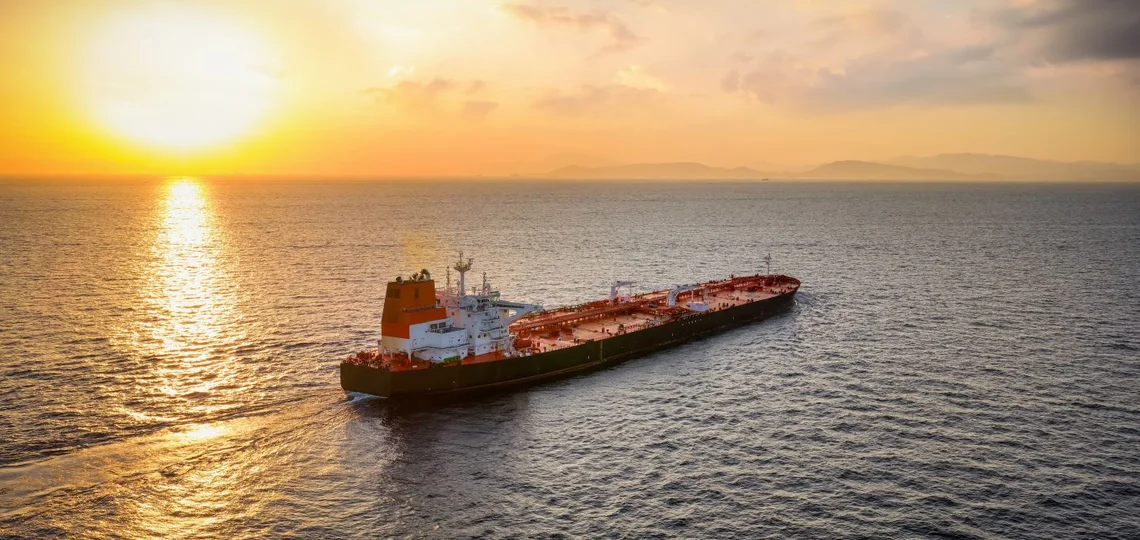
The project relies on a Floating Storage and Regasification Unit (FSRU), designed to receive LNG, convert it back into gas and feed it into the national network. Authorities have presented the facility as the initial foundation of Morocco’s national LNG import system. The infrastructure aims to progressively structure a nationwide gas logistics chain.
Operator selection process and port works
An international tender process is currently underway to appoint the operator responsible for deploying and operating the floating unit. This effort is part of a broader set of public investments tied to the Nador West Med port. Preparatory works involve both maritime infrastructure and the development of hosting capacity for the unit.
The announced timeline is considered tight given the usual technical delays associated with conversion or mobilisation of floating units. Authorities are nonetheless maintaining the 2027 target in line with projected domestic gas demand.
Expansion of the national gas network
In parallel with the terminal, studies have begun on the future gas transmission network that will connect Nador to key consumption centres. This network is a structural element of the government’s public investment programme in the gas sector. It is intended to support the growth of imported volumes and their nationwide distribution.
Morocco’s gas consumption is currently almost entirely met through imports, with volumes increasing between 2023 and 2024. Eventually, the Nador terminal is designed to support an annual supply capacity of up to 10 billion cubic metres, paving the way for a lasting reconfiguration of the country’s gas flows.