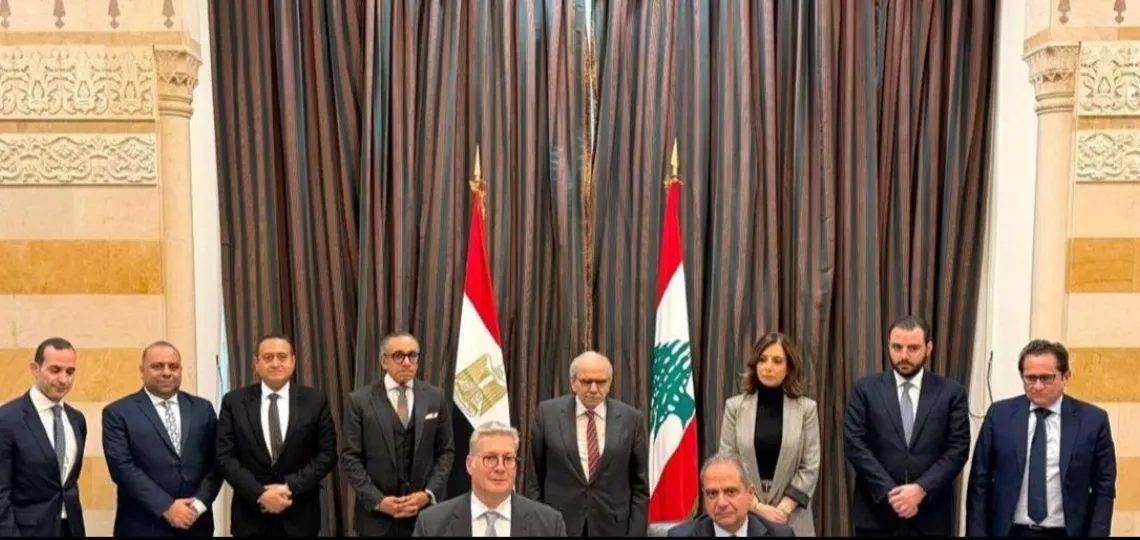
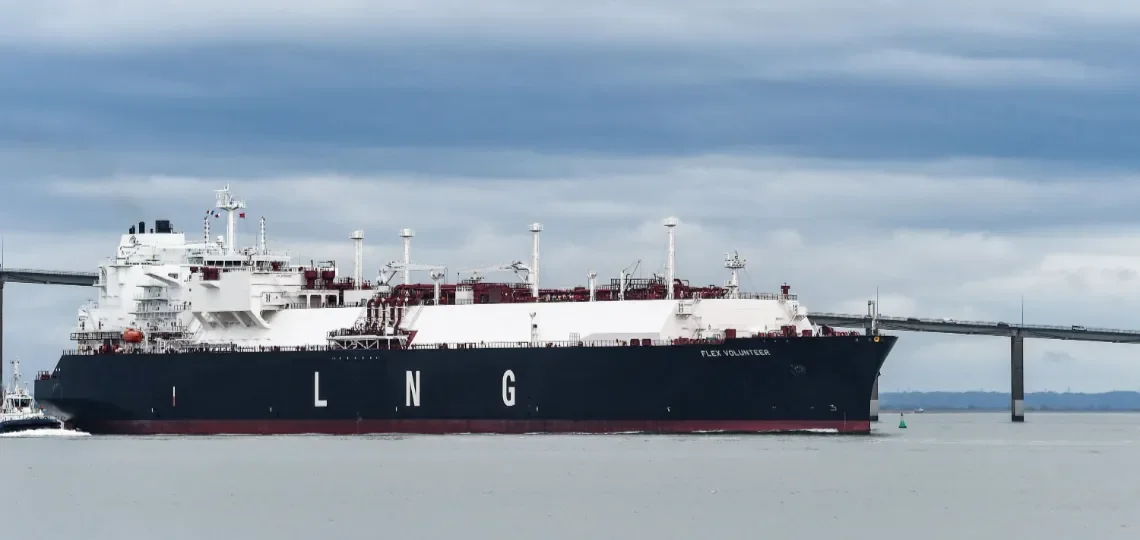
Lebanon plans to acquire natural gas from Egypt to limit its reliance on fuel oil amid insufficient electricity production. The memorandum of understanding was signed between Lebanese Energy Minister Joe Saddi and Egyptian Petroleum Minister Karim Badawi. Lebanese authorities confirm that this approach is part of a gradual strategy toward natural gas to secure supply for power plants. Discussions include several delivery options, both land-based and maritime, without a confirmed final schedule. Network infrastructure requires upgrading before any operational delivery can begin.
Pipeline rehabilitation and project financing
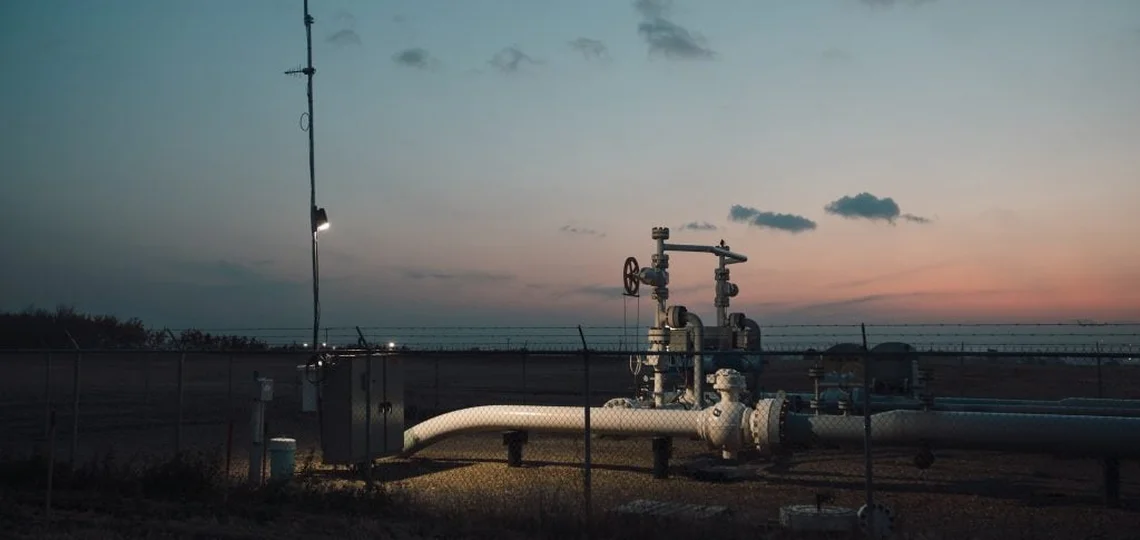
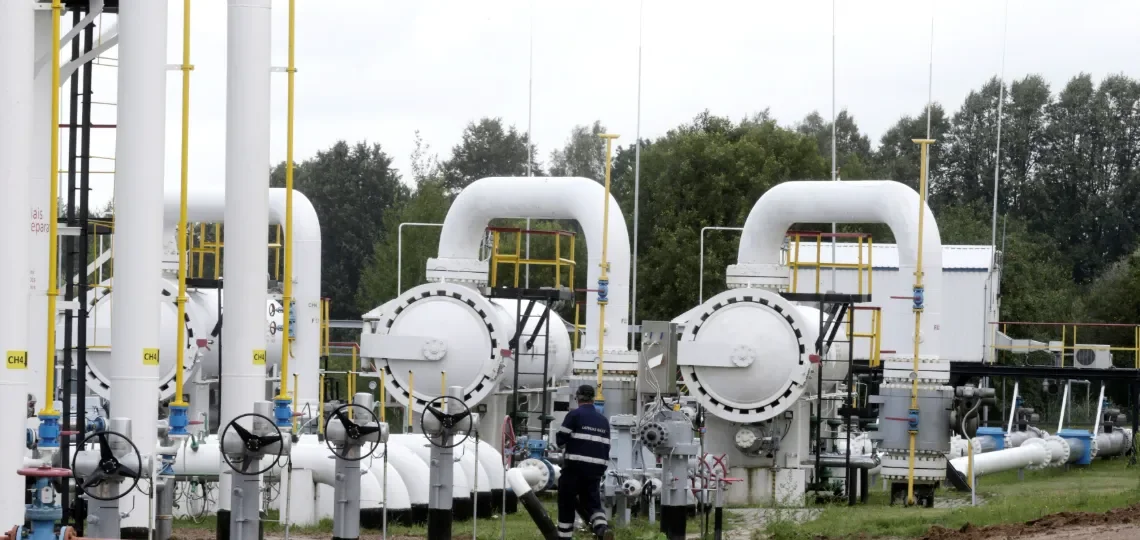
The current state of the network requires pipeline rehabilitation before commercial use. Lebanese authorities intend to approach international lenders to participate in financing the restoration of the section located on their territory. The project could require an estimated period of three to four months based on initial projections. The government is studying multiple financial support mechanisms without specifying which option would be prioritized. The search for partnerships aims to ensure technical compliance of installations before first deliveries. The project remains dependent on sufficient external financial backing.
Egyptian involvement and regional context
Egypt presents this cooperation as support for regional energy security, relying on its natural gas export capabilities. Lebanon previously signed an agreement in 2022 including transit via Jordan and Syria, but financing difficulties and international sanctions delayed its application. The recent lifting of U.S. restrictions targeting Syria now allows progress on planned exchanges, pending technical and financial feasibility. A 250 million dollar agreement with the World Bank is intended to modernize part of Lebanon’s electricity sector. The progression of the memorandum depends on financing alignment, infrastructure conditions, and required authorizations.
Lebanon may gradually reduce its fuel oil dependence if natural gas supply becomes operational. The evolution of the project will influence the country’s ability to stabilize electricity production and limit ongoing outages. Funding choices, technical delays, and political decisions will shape the agreement’s impact in the coming months.