Kinder Morgan restores EPNG capacity at Lordsburg earlier than expected

Kinder Morgan restored the EPNG pipeline capacity at Lordsburg on December 13, ending a constraint that had driven Waha prices negative. The move highlights the Permian’s fragile balance, operating near the limits of its gas evacuation infrastructure.
Share:

Comprehensive energy news coverage, updated nonstop

Annual subscription

8.25$/month*

*billed annually at 99$/year for the first year then 149,00$/year ​

Unlimited access • Archives included • Professional invoice

OTHER ACCESS OPTIONS

Monthly subscription

Unlimited access • Archives included

5.2$/month*
then 14.90$ per month thereafter

FREE ACCOUNT

3 articles offered per month

FREE

*Prices are excluding VAT, which may vary depending on your location or professional status

Since 2021: 35,000 articles • 150+ analyses per week

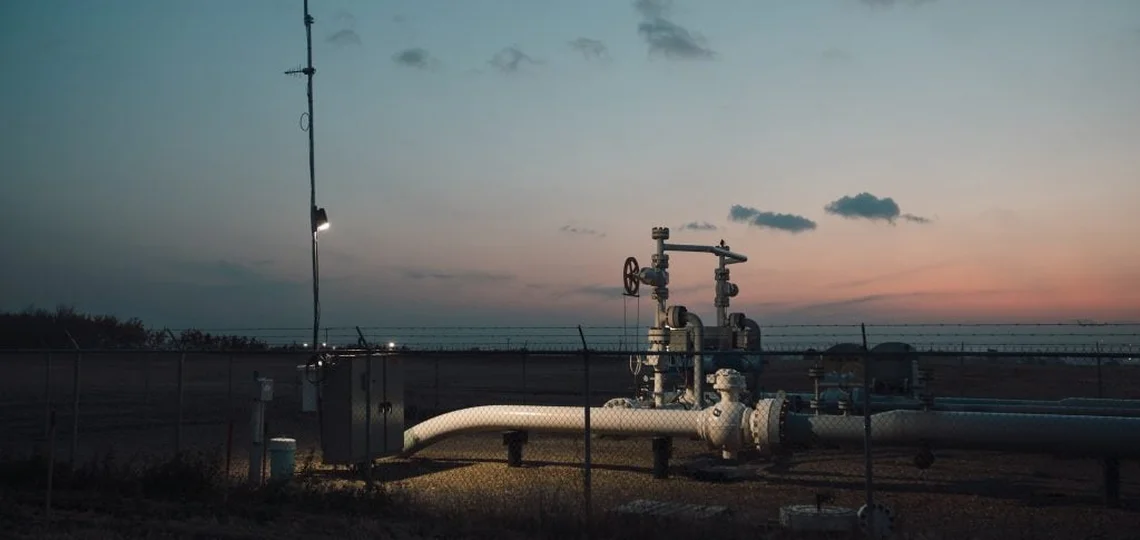
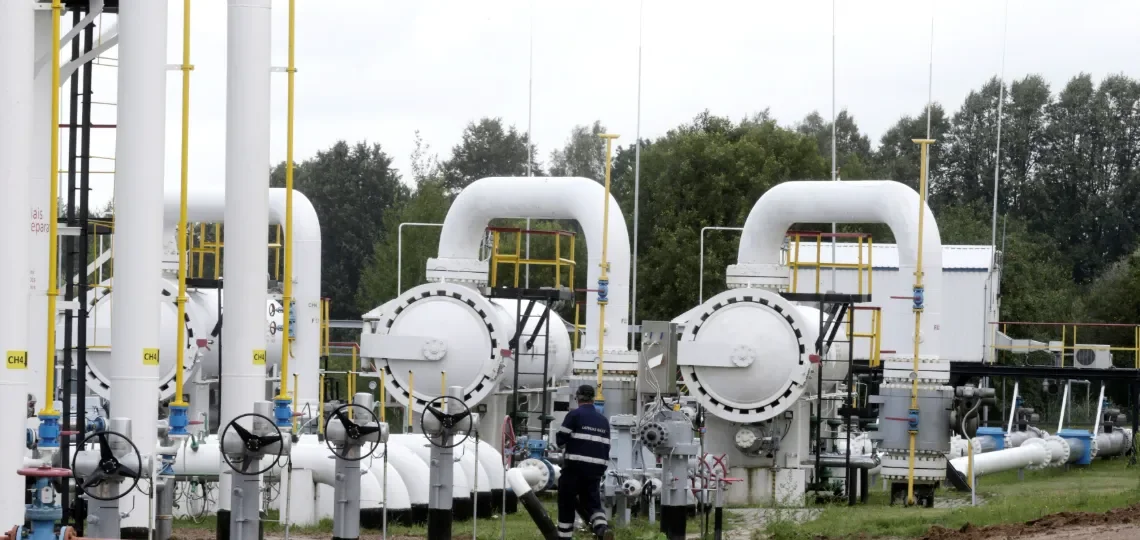
Energy infrastructure operator Kinder Morgan announced the early completion of repairs on the constraint point LORDSBRG of the El Paso Natural Gas (EPNG) pipeline, restoring transportation capacity as of the evening cycle on December 13. The operational reduction, imposed since December 6 and affecting approximately 575,000 dekatherms per day, had immediately saturated Permian gas evacuation routes and triggered a sharp collapse in spot prices at Waha.
Waha, a market driven by evacuation capacity

The structure of the Permian gas market increases its sensitivity to disruptions. A significant portion of production is “associated,” linked to oil extraction, which limits short-term volume flexibility. When transport constraints occur, adjustments are made primarily through price rather than immediate reductions in output. The Waha hub in Texas functions as a release valve for this production; when pipeline and storage capacity is maxed out, prices can turn negative, reflecting the cost of oversupply.

Technical repairs respond to a critical imbalance

The announcement of lifted constraints at LORDSBRG had an immediate effect on prices, which turned positive again. This decision appears to reflect a dual rationale: the technical completion of the repair work and mounting economic pressure from the market imbalance. According to operational data published via EPNG’s Electronic Bulletin Board (EBB), capacity availability has now been restored, gradually returning the system to nominal throughput levels.

Structural network fragility in winter conditions

Recent congestion episodes confirm that the system operates near its maximum limits. Despite the commissioning of additional capacity such as the Matterhorn expansion, even temporary outages generate immediate tensions. Connected storage infrastructure, such as Keystone and Grama Ridge, offers some buffer but remains insufficient to fully absorb fluctuations.

Contractual impacts and midstream investment outlook

The effects on transportation contracts and hedging strategies are substantial. Operators are reinforcing flexible terms in their agreements and prioritising firm access to capacity. Simultaneously, the signals supporting continued midstream investment remain strong, not only to increase nominal capacity but also to reduce exposure to volatility.

Cross-border dimension and regional implications

EPNG also supplies markets in northern Mexico. Prolonged interruptions like the one at LORDSBRG expose those regions to increased price volatility, especially during winter peaks. This dynamic draws heightened scrutiny from regional partners regarding the resilience of U.S. infrastructure for critical energy supply.

Chevron Australia awards Subsea7 a major contract for subsea installation on the Gorgon Stage 3 project, with offshore operations scheduled for 2028 at 1,350 metres depth.
Ovintiv has entered into an agreement with Pembina Pipeline Corporation to secure 0.5 million tonnes per annum of LNG liquefaction capacity over 12 years, strengthening its export outlook to Asian markets.
TotalEnergies has completed the sale of a minority stake in a Malaysian offshore gas block to PTTEP, while retaining its operator role and a majority share.
The European Union will apply its methane emissions rules more flexibly to secure liquefied natural gas supplies from 2027.
Venezuela has ended all energy cooperation with Trinidad and Tobago after the seizure of an oil tanker carrying crude by the United States, accusing the archipelago of participating in the military operation in the Caribbean.
National Fuel has secured $350mn in a private placement of common stock with accredited investors to support the acquisition of CenterPoint’s regulated gas business in Ohio.
GTT appoints François Michel as CEO starting January 5, separating governance roles after strong revenue and profit growth in 2024.
The United States is requesting a derogation from EU methane rules, citing the Union’s energy security needs and the technical limits of its liquefied natural gas export model.
Falcon Oil & Gas and its partner Tamboran have completed stimulation of the SS2-1H horizontal well in the Beetaloo Sub-basin, a key step ahead of initial production tests expected in early 2026.
Gasunie Netherlands and Gasunie Germany have selected six industrial suppliers under a European tender to supply pipelines for future natural gas, hydrogen and CO₂ networks.
The ban on Russian liquefied natural gas requires a legal re-evaluation of LNG contracts, where force majeure, change-in-law and logistical restrictions are now major sources of disputes and contractual repricing.
The US House adopts a reform that weakens state veto power over gas pipeline projects by strengthening the federal role of FERC and accelerating environmental permitting.
Morocco plans to commission its first liquefied natural gas terminal in Nador by 2027, built around a floating unit designed to strengthen national import capacity.
An explosion on December 10 on the Escravos–Lagos pipeline forced NNPC to suspend operations, disrupting a crucial network supplying gas to power stations in southwestern Nigeria.
At an international forum, Turkmenistan hosted several regional leaders to discuss commercial cooperation, with a strong focus on gas and alternative export corridors.
The Australian government has launched the opening of five offshore gas exploration blocks in the Otway Basin, highlighting a clear priority for southeast supply security amid risks of shortages by 2028, despite an ambitious official climate policy.
BlackRock sold 7.1% of Spanish company Naturgy for €1.7bn ($1.99bn) through an accelerated bookbuild managed by JPMorgan, reducing its stake to 11.42%.
The British company begins the initial production phase of Morocco's Tendrara gas field, activating a ten-year contract with Afriquia Gaz amid phased technical investments.
The Energy Information Administration revises its gas price estimates upward for late 2025 and early 2026, in response to strong consumption linked to a December cold snap.
Venture Global denies Shell’s claims of fraud in an LNG cargo arbitration and accuses the oil major of breaching arbitration confidentiality.

All the latest energy news, all the time

Annual subscription

8.25$/month*

*billed annually at 99$/year for the first year then 149,00$/year ​

Unlimited access - Archives included - Pro invoice

Monthly subscription

Unlimited access • Archives included

5.2$/month*
then 14.90$ per month thereafter

*Prices shown are exclusive of VAT, which may vary according to your location or professional status.

Since 2021: 30,000 articles - +150 analyses/week.