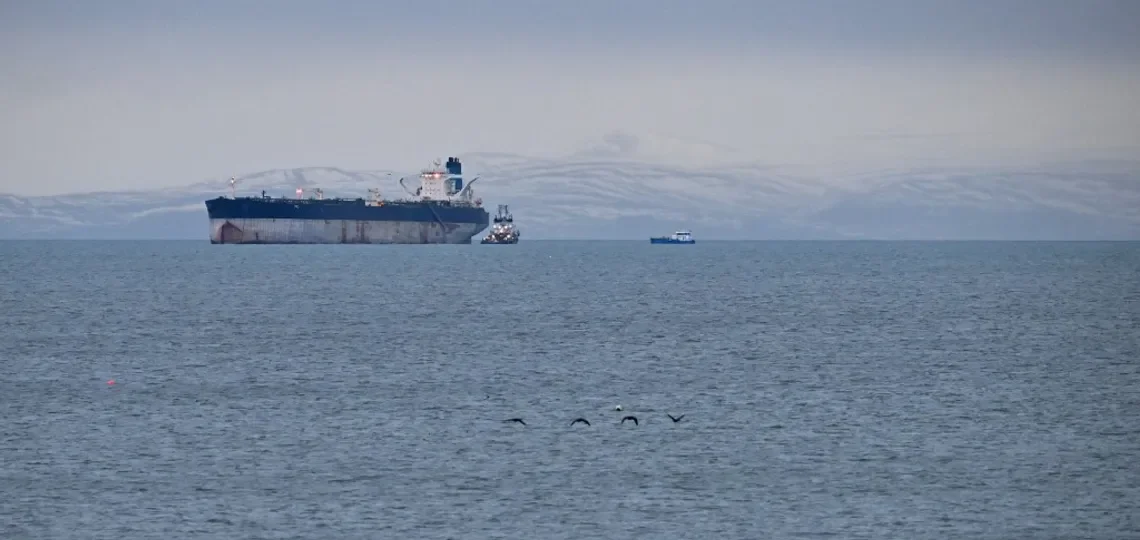
Kazakhstan’s Ministry of Energy announced it has taken steps to redirect part of the crude oil produced at the Kashagan field to China, following a drone attack on the infrastructure of the Caspian Pipeline Consortium (CPC). The CPC marine terminal, located on the Russian shores of the Black Sea, was targeted in the strike, partially affecting the country’s export operations.
Partial rerouting to Asia
The ministry stated it is actively working with shippers to adjust logistics and maintain export flows. “Measures were taken to redirect a certain volume of Kashagan oil to China,” the official statement said. No specific volumes or timeframes were disclosed regarding the rerouting.
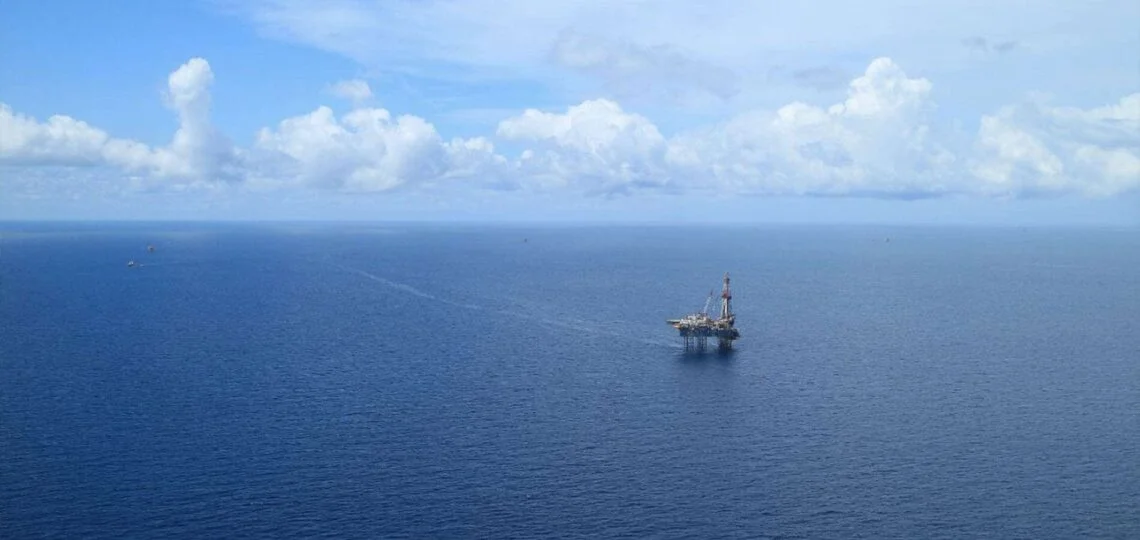
The Kashagan field, located in the Caspian Sea, is one of the world’s largest offshore oil deposits. It accounts for a significant share of Kazakhstan’s crude output, which is usually exported via the CPC, connecting Tengiz to the Russian port of Novorossiysk.
Continuity of deliveries through CPC
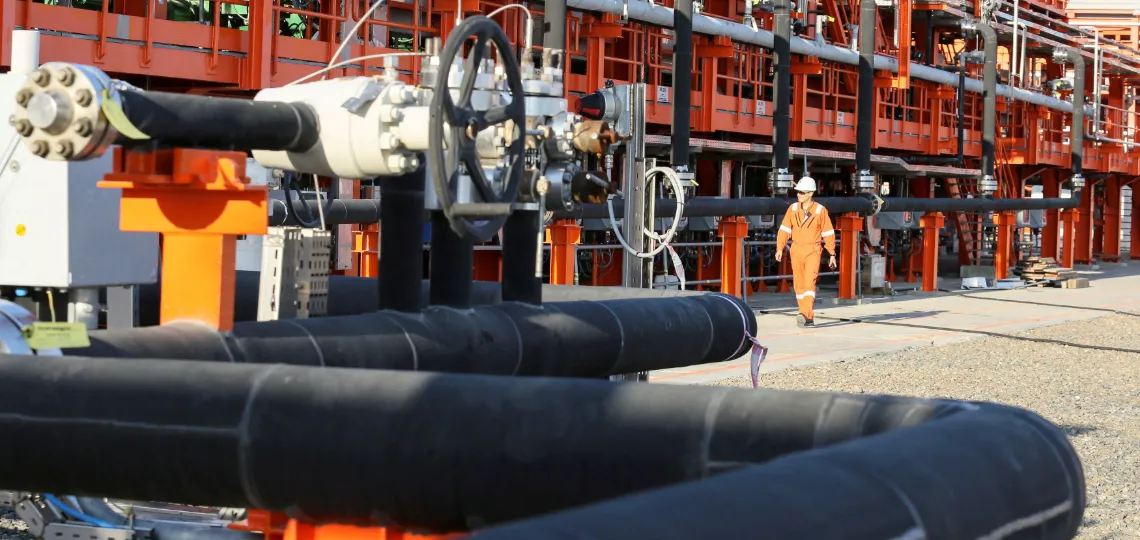
Despite the attack, the ministry confirmed that “the incident at the CPC marine terminal did not result in a complete halt of exports.” Oil shipments are continuing through the existing infrastructure, subject to reinforced safety measures. Kazakhstan has not disclosed whether the consortium’s facilities suffered substantial physical damage.
The CPC is the main export route for Kazakh crude, transporting around two-thirds of the country’s total exports to international markets. This route crosses Russian territory, making the flow vulnerable to regional geopolitical risks.
Logistical impact and increased precautions
The ministry did not provide details about the Chinese partners involved in the rerouting or the infrastructure used for the operation. However, the decision reflects the country’s intent to maintain export continuity by temporarily diversifying its trade routes.
Kazakhstan, heavily reliant on oil exports, has intensified efforts in recent years to reduce logistical vulnerability. While the attack did not paralyse operations, it underscores the ongoing uncertainties surrounding energy security in the Caspian region.