Kamoa-Kakula mine in DRC targets 347 MW in electricity demand by 2028
Ivanhoe Mines expects a 67% increase in electricity consumption at its copper mine in DRC, supported by new hydroelectric, solar and imported supply sources.
| Sector | Énergie Marine & Hydraulique, Hydroélectricité |
|---|---|
| Theme | Industrie & Exécution, Innovation & Transformation, Stratégie d'entreprise |
Ivanhoe Mines has revised upward its electricity consumption forecasts for the Kamoa-Kakula copper complex in the Democratic Republic of Congo (DRC). According to a statement released in late November, the site’s demand will reach 347 megawatts (MW) by December 2028, up from 208 MW projected for December 2025. The complex is operated by Kamoa Copper SA, a joint venture between Ivanhoe Mines, Zijin Mining Group and the Congolese government.
Contribution of Inga II plant and network support
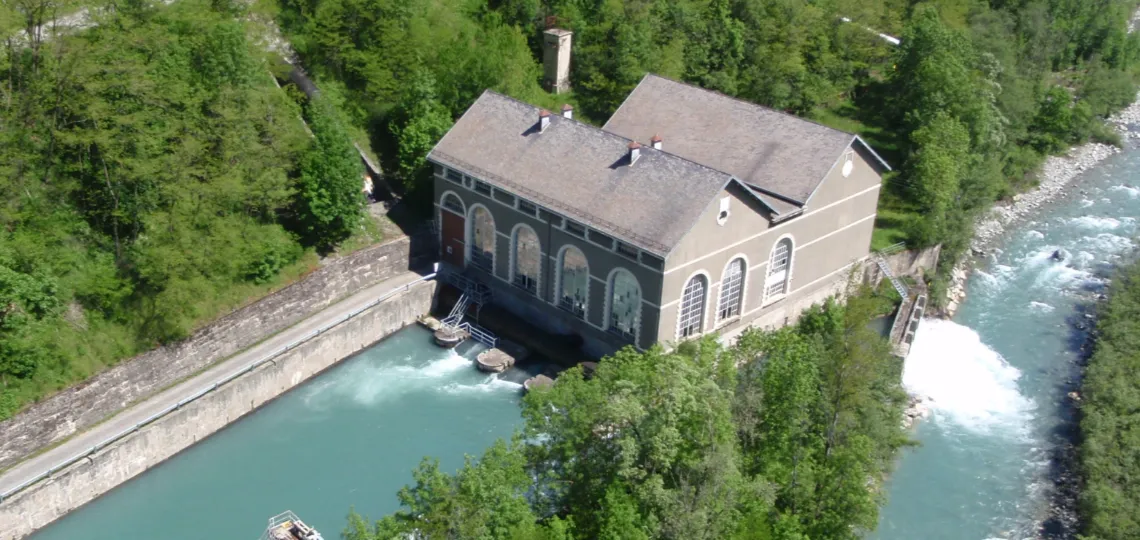
This development is part of a broader regional infrastructure effort, particularly the re-commissioning of turbine five at the Inga II hydroelectric plant. The project was carried out by the Société nationale d’électricité (Snel) with technical and financial assistance from Kamoa Copper. Since 10 November, the site has started receiving an initial supply of 50 MW. This capacity is expected to rise to 100 MW in the first quarter of 2026, and to around 150 MW in 2027, depending on progress in upgrading the Inga–Kolwezi transmission line.
The total investment related to the site’s power supply is estimated at $450mn. This should enable Snel to provide up to 210 MW to the complex by the end of 2027. Additionally, Kamoa Copper plans to maintain 100 MW in electricity imports and to add 60 MW through two solar projects currently under development within the mining perimeter.
Maximum capacity and industrial strategy
Ivanhoe Mines projections indicate that the 347 MW demand level will coincide with the simultaneous operation of the site’s three concentrators, full ramp-up of the electric smelter, and metallurgical optimisation of Project 95. This scenario targets an annual production between 550,000 and 600,000 tonnes of copper concentrate.
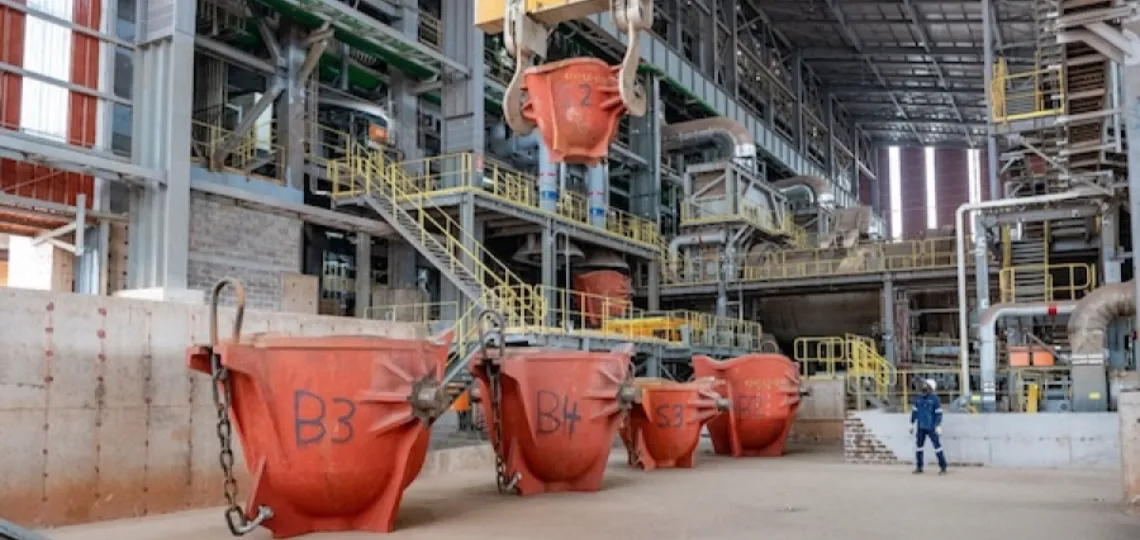
The smelter was officially commissioned on 21 November after several delays. It is designed to process up to 500,000 tonnes of concentrate per year. However, following a seismic event in the Kakula underground mine, Ivanhoe Mines has temporarily withdrawn its future production forecasts pending reassessment.
Adjusted forecasts and future deliveries
Kamoa Copper SA has revised its 2025 output target downwards, now expected between 370,000 and 420,000 tonnes, compared to a previous range of 520,000 to 580,000 tonnes. A timeline for the smelter’s ramp-up has not yet been disclosed.
The strengthening of Kamoa-Kakula’s energy infrastructure and the addition of local processing capacity represent key steps in the site’s industrial strategy. These developments allow the operator to integrate power supply requirements into its production plans while securing the energy flows needed for full-scale operations.