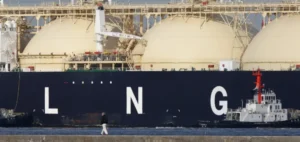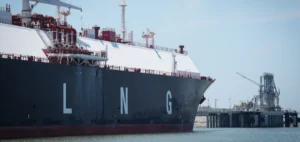

Japanese power producer JERA has entered into a liquefied natural gas (LNG) supply agreement with Indian company Torrent Power for four cargoes per year over a ten-year period. Deliveries will begin in 2027 and represent approximately 0.27 million tonnes annually, equivalent to 0.37 billion cubic metres of natural gas. While modest in global trade terms, this volume enables JERA to diversify its off-take beyond Japan amid domestic demand uncertainty.
JERA seeks to secure long-term commitments
JERA, Japan’s largest power producer, has recently expanded its long-term contractual commitments, particularly with US suppliers. The share of US LNG is expected to reach nearly 30% of its portfolio by 2035, up from around 10% today. This shift, combined with stagnant electricity demand in Japan and the progressive restart of nuclear power, is prompting the company to seek alternative outlets for its flexible volumes.
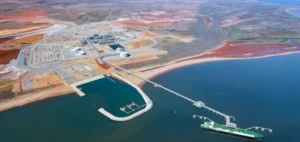
The deal with Torrent Power allows JERA to balance its take-or-pay obligations to liquefaction projects by redirecting part of its supply to India. The cargoes are expected to be delivered to the Dahej terminal in Gujarat, where Torrent already holds one million tonnes per year of regasification capacity through a contract with Petronet LNG.
Torrent Power strengthens its LNG coverage
For Torrent Power, the new agreement adds to an existing contract with BP for the supply of 0.41 million tonnes per year from 2027 to 2036. Together, the two contracts would provide Torrent with secured volumes covering nearly 70% of its current Dahej capacity. This strategy aims to reduce the company’s exposure to the spot market, which has been highly volatile since the 2021–2023 energy crisis.
The company operates a gas-fired thermal fleet of around 2,730 megawatts and is simultaneously expanding its activities in city gas distribution and transport fuels. Securing a stable supply allows it to optimise utilisation of existing assets while diversifying its customer base.
A regional trend toward long-term contracting
The JERA–Torrent agreement fits within a regional trend of long-term LNG contracting. India plans to double its LNG imports by 2030, targeting 64 to 65 billion cubic metres annually, up from around 30 billion currently. This trajectory requires multiplying long-term deals with reliable suppliers.
Volumes like those provided by JERA also contribute to India’s rise as a structural buyer, to the detriment of more spot-dependent markets like Pakistan or Bangladesh. India’s growth is primarily driven by demand from urban, industrial and transport sectors, all of which rely heavily on secure energy access.
Market and geopolitical implications
The partnership also reflects deeper energy ties between Japan and India. Both countries are working to strengthen their positions in an increasingly competitive Asian LNG market, dominated by major buyers such as China and South Korea.
For US and Middle Eastern suppliers, seeing major offtakers like JERA and BP resell volumes within South Asia underscores the growing prominence of portfolio-based models over direct project-to-end-user contracts. This evolution reduces the available spot market share and concentrates market power among a few large intermediaries.