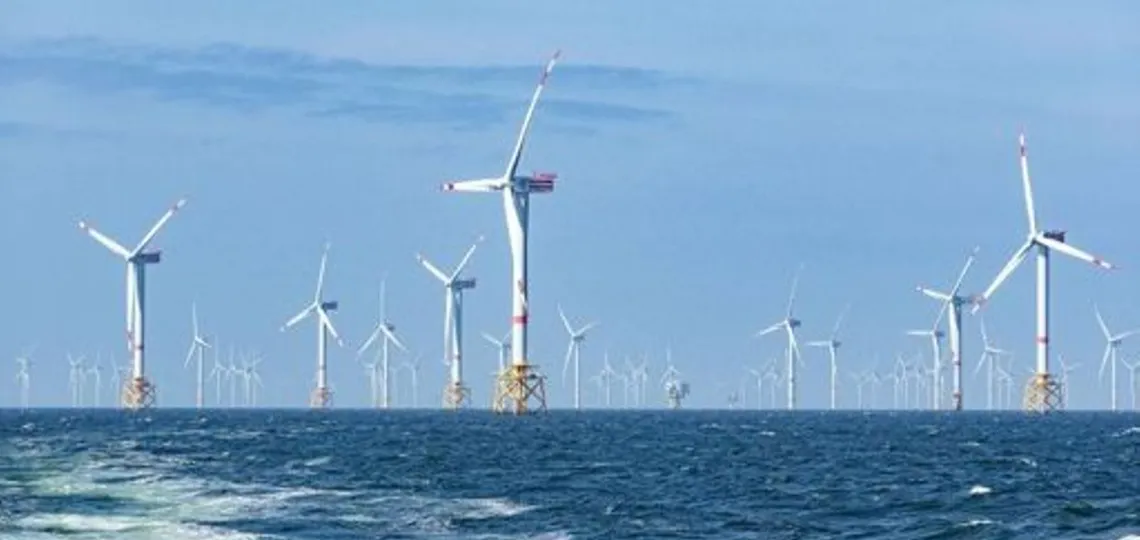
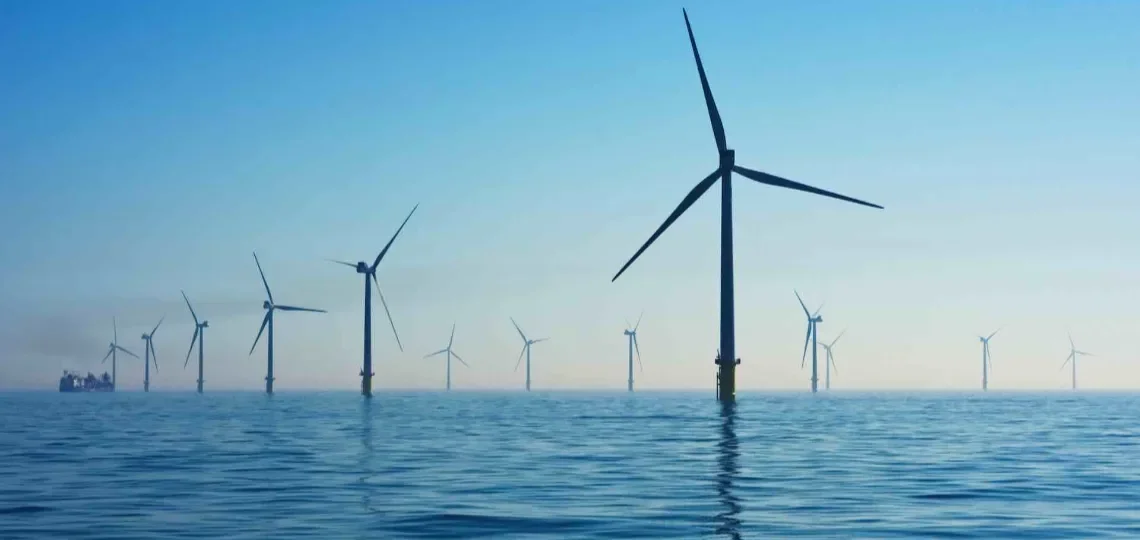
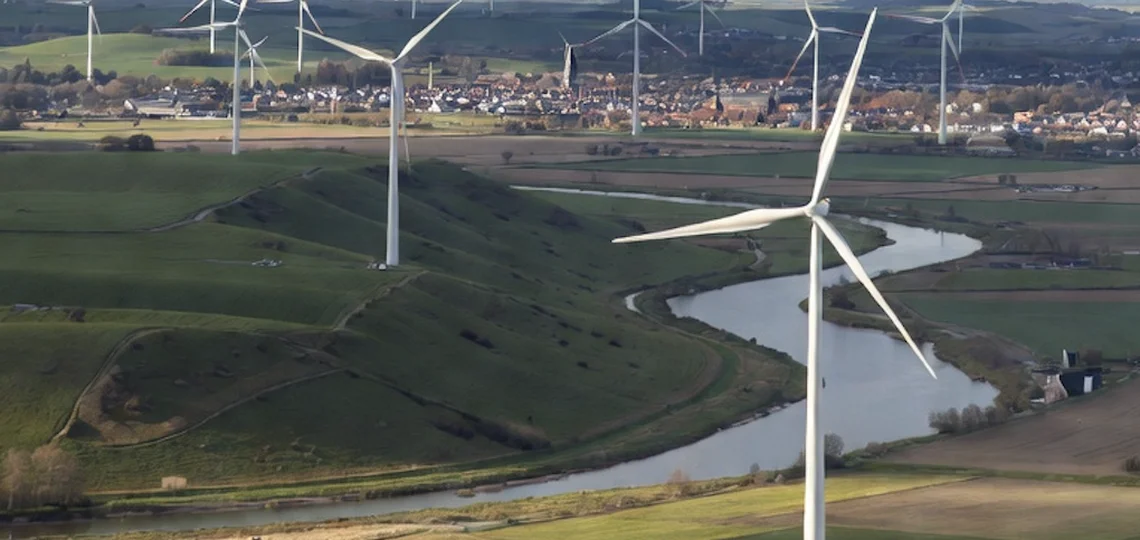
Italy’s ambition to expand offshore wind is being seriously hampered by the failure to implement the support mechanisms announced by the government, delaying several billion euros in investments and impacting companies in the sector.
A legislative framework without operational rollout
A government decree adopted in 2024 aimed to auction contracts to reach 3.8 gigawatts (GW) of capacity by 2028, focusing particularly on innovative technologies such as floating platforms suited to the deep Mediterranean waters. More than a year later, no auctions have been held, despite the submission of 26 projects for environmental approval, representing a combined capacity of 18 GW.
The Ministry of Environment has approved four of these projects, but they remain stalled in the absence of the promised competitive procedures. The Offshore Renewable Energy Association (AERO), representing major industry stakeholders, has warned of the financial impact of these delays for developers who have already committed millions of euros.
Private sector on hold, national target at risk
In a letter to the Ministry of Energy and Environment, AERO President Fulvio Mamone Capria urged authorities to resolve the situation, warning that Italy is falling behind its European partners. Under targets set in July 2024, Rome aims to reach 28.1 GW of total wind capacity by 2030, up from the current 13 GW.
Without offshore wind, those targets appear increasingly out of reach. To date, Italy operates just one offshore wind farm with a capacity of 30 megawatts, while the United Kingdom has over 15 GW and Germany about 9 GW, supported by regular tenders and stable policy frameworks.
Widening gap with the rest of Europe
Italy’s geographical potential as a Mediterranean peninsula with limited land availability is often highlighted by sector experts. However, regulatory inertia continues to hinder the development of large-scale industrial projects. The government, led by Prime Minister Giorgia Meloni, has been repeatedly criticised for the lack of clear strategic direction in energy policy.
The stagnation in offshore wind is creating prolonged uncertainty for both domestic and international developers, some of whom have already submitted complex projects that are awaiting economic visibility.