IOC seeks spot LNG cargo for Dahej as Russian sanctions tighten

Indian Oil Corporation has issued a tender for a spot LNG cargo to be delivered in January 2026 to Dahej, as Asian demand weakens and Western restrictions on Russian gas intensify.
Share:

Comprehensive energy news coverage, updated nonstop

Annual subscription

8.25€/month*

*billed annually at 99€/year for the first year then 149,00€/year ​

Unlimited access • Archives included • Professional invoice

OTHER ACCESS OPTIONS

Monthly subscription

Unlimited access • Archives included

5.2€/month*
then 14.90€ per month thereafter

FREE ACCOUNT

3 articles offered per month

FREE

*Prices are excluding VAT, which may vary depending on your location or professional status

Since 2021: 35,000 articles • 150+ analyses per week

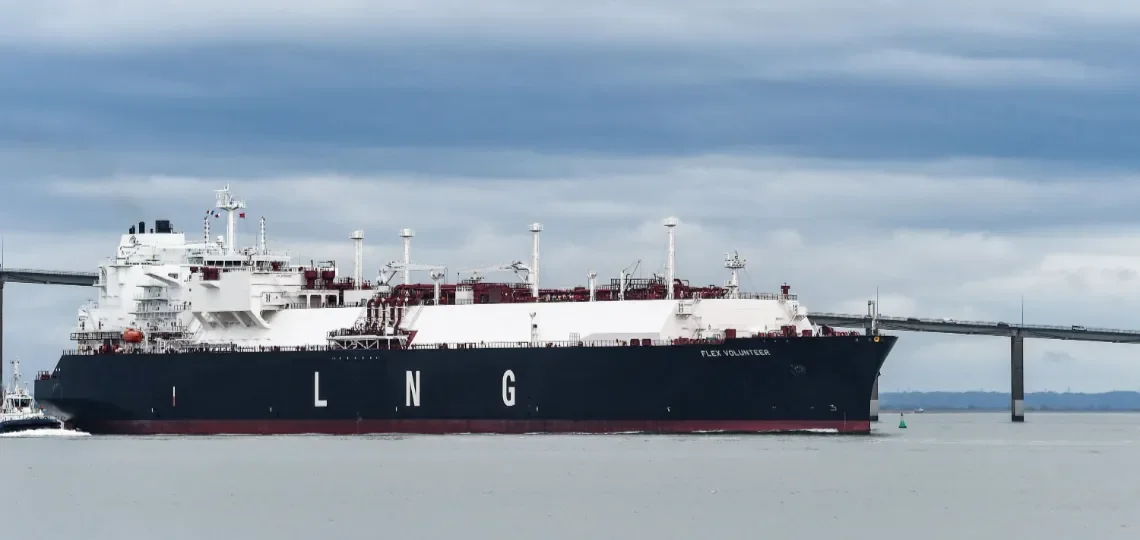
Indian Oil Corporation (IOC) has issued a tender for a spot cargo of liquefied natural gas (LNG) to be delivered to the Dahej terminal on January 20, 2026. The tender closes on December 9, 2025. This move comes in a context of moderate prices around $11/MBtu in Asia, while seasonal demand remains low. It also takes place amid increased scrutiny of supply chains linked to Russia.

An active but cautious spot market in Asia

The Asian LNG spot market has seen high physical activity in recent weeks, although primarily driven by intermediaries rather than end users. Asia’s LNG demand is expected to fall by around 5% in 2025, from 254 Mt to 240 Mt. India has recorded a 7% drop in gas demand over the first five months of the year, directly linked to its industrial sensitivity to price fluctuations. With declining domestic production, imports now cover nearly half of the country’s gas needs.

Dahej at the core of a hybrid sourcing strategy

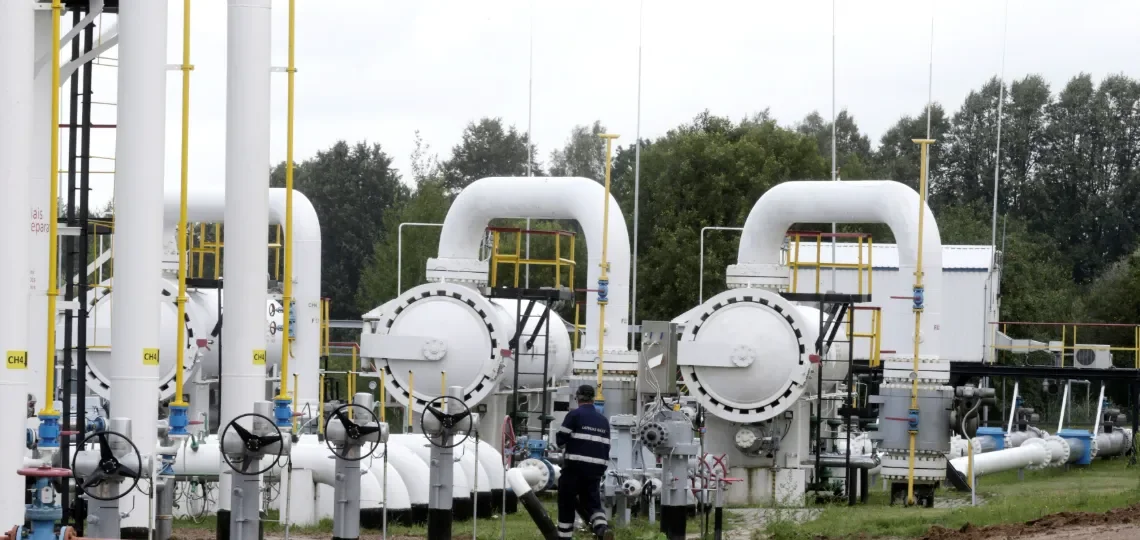
Although the Dahej terminal is operated by Petronet LNG, IOC concentrates a significant share of its import volumes there. The terminal, which will expand from 17.5 to 22.5 Mt/year by March 2026, allows IOC to absorb additional cargoes at short notice. The company has recently secured several long-term contracts, notably with ADNOC Gas, TotalEnergies, and Trafigura, totalling more than 5 Mt/year from 2026. However, around 40% of India’s projected 2030 LNG demand remains uncontracted, making spot procurement strategically necessary.

Geopolitical pressure around Russian LNG

This spot purchase comes as geopolitical pressure on Russian LNG intensifies. New US sanctions target projects such as Arctic LNG 2 and associated logistics players, making participation in the supply chain more complex for traders. For IOC, a state-owned entity, the legal and financial risks associated with sourcing Russian cargoes are increasingly hard to justify. Prioritising suppliers from the US, Gulf or Africa reduces the exposure to secondary sanctions while maintaining diplomatic balance.

Portfolio optimisation ahead of long-term contract ramp-up

The tender also aligns with a portfolio optimisation logic: IOC has reportedly already purchased a January cargo for around $10.4/MBtu. This level remains competitive relative to JKM. The company may be looking to cover a temporary logistics gap before its multi-year supply commitments begin. Spot purchasing also offers critical flexibility to respond to peak demand in the power or fertiliser sectors, both highly sensitive to subsidies and pricing.

Impacts on supply chain and regional flows

While a single tender may seem minor, it sends a structural signal to the market. It strengthens the West Indian coast’s role as a competitive entry point for Atlantic-origin cargoes. Traders can redirect volumes initially intended for Europe or Northeast Asia towards more flexible buyers. On the maritime side, regulatory constraints are pushing sellers to favour vessels outside the shadow fleet linked to Russian LNG, securing compliant routes to Dahej.

Internal consequences for IOC

The January tender contributes to short-term supply security for critical segments (fertilisers, power), while diversifying pricing exposure in a portfolio indexed to both Brent and Henry Hub. A transparent tender process also bolsters IOC’s reputation among financial and trading partners. It increases visibility over its sourcing strategy, a key governance factor under public scrutiny.

India between energy diversification and geopolitical neutrality

Each such LNG spot deal reinforces India’s role as a “price-sensitive swing buyer” in global markets, capable of supporting demand in times of oversupply and retreating quickly when prices rise. The combination of new contracts with Gulf countries, growing US access and cautious distancing from sanctioned Russian LNG underlines this balanced position. IOC’s tender illustrates how New Delhi navigates its energy security agenda while complying with dominant sanction frameworks.

The Australian government will require up to 25% of gas extracted on the east coast to be reserved for the domestic market from 2027, in response to supply tensions and soaring prices.
Baker Hughes will deliver six gas refrigeration trains for Commonwealth LNG’s 9.5 mtpa export project in Louisiana, under a contract with Technip Energies.
Shanghai Electric begins a combined-cycle expansion project across four Iraqi provinces, aiming to boost energy efficiency by 50% without additional fuel consumption.
Zefiro Methane, through its subsidiary Plants & Goodwin, completes an energy conversion project in Pennsylvania and plans a new well decommissioning operation in Louisiana, expanding its presence to eight US states.
The Council of State has cancelled the authorisation to exploit coalbed methane in Lorraine, citing risks to the region's main aquifer and bringing an end to a legal battle that began over a decade ago.
Japanese power producer JERA will deliver up to 200,000 tonnes of liquefied natural gas annually to Hokkaido Gas starting in 2027 under a newly signed long-term sale agreement.
An agreement announced on December 17, 2025 provides for twenty years of deliveries through 2040. The package amounts to 112 billion new Israeli shekels (Israeli shekels) (NIS), with flows intended to support Egyptian gas supply and Israeli public revenues.
Abu Dhabi’s national oil company has secured a landmark structured financing to accelerate the development of the Hail and Ghasha gas project, while maintaining strategic control over its infrastructure.
U.S.-based Sawgrass LNG & Power celebrates eight consecutive years of LNG exports to The Bahamas, reinforcing its position in regional energy trade.
Kinder Morgan restored the EPNG pipeline capacity at Lordsburg on December 13, ending a constraint that had driven Waha prices negative. The move highlights the Permian’s fragile balance, operating near the limits of its gas evacuation infrastructure.
ENGIE activates key projects in Belgium, including an 875 MW gas-fired plant in Flémalle and a battery storage system in Vilvoorde, to strengthen electricity supply security and grid flexibility.
Hungary has signed a contract with US company Chevron to import 400mn m³ of LNG per year, while maintaining a structural dependence on Russian gas through a long-term agreement with Gazprom.
Chevron Australia awards Subsea7 a major contract for subsea installation on the Gorgon Stage 3 project, with offshore operations scheduled for 2028 at 1,350 metres depth.
Ovintiv has entered into an agreement with Pembina Pipeline Corporation to secure 0.5 million tonnes per annum of LNG liquefaction capacity over 12 years, strengthening its export outlook to Asian markets.
TotalEnergies has completed the sale of a minority stake in a Malaysian offshore gas block to PTTEP, while retaining its operator role and a majority share.
The European Union will apply its methane emissions rules more flexibly to secure liquefied natural gas supplies from 2027.
Venezuela has ended all energy cooperation with Trinidad and Tobago after the seizure of an oil tanker carrying crude by the United States, accusing the archipelago of participating in the military operation in the Caribbean.
National Fuel has secured $350mn in a private placement of common stock with accredited investors to support the acquisition of CenterPoint’s regulated gas business in Ohio.
GTT appoints François Michel as CEO starting January 5, separating governance roles after strong revenue and profit growth in 2024.
The United States is requesting a derogation from EU methane rules, citing the Union’s energy security needs and the technical limits of its liquefied natural gas export model.

All the latest energy news, all the time

Annual subscription

8.25€/month*

*billed annually at 99€/year for the first year then 149,00€/year ​

Unlimited access - Archives included - Pro invoice

Monthly subscription

Unlimited access • Archives included

5.2€/month*
then 14.90€ per month thereafter

*Prices shown are exclusive of VAT, which may vary according to your location or professional status.

Since 2021: 30,000 articles - +150 analyses/week.