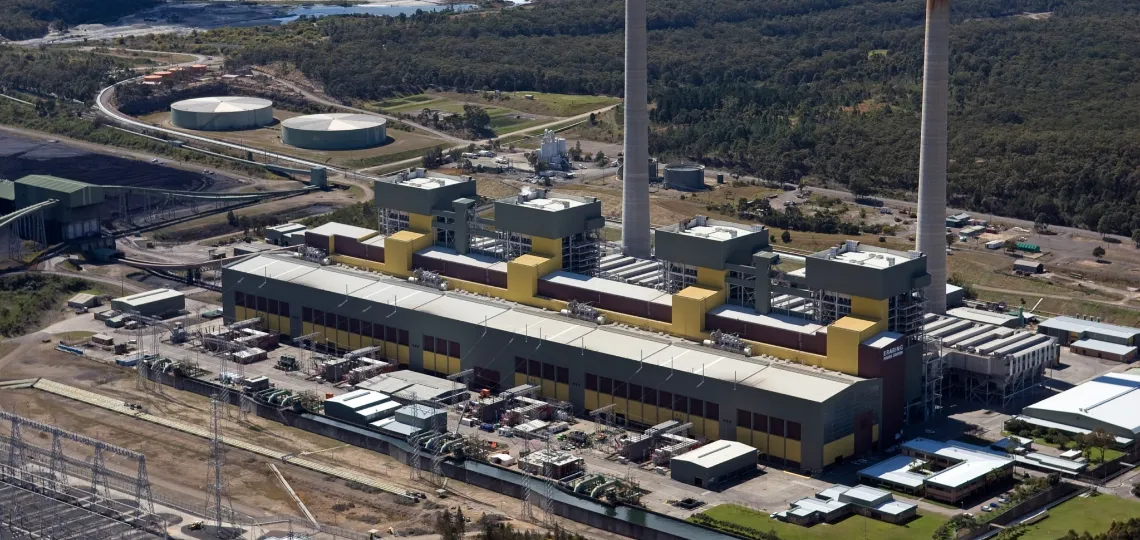
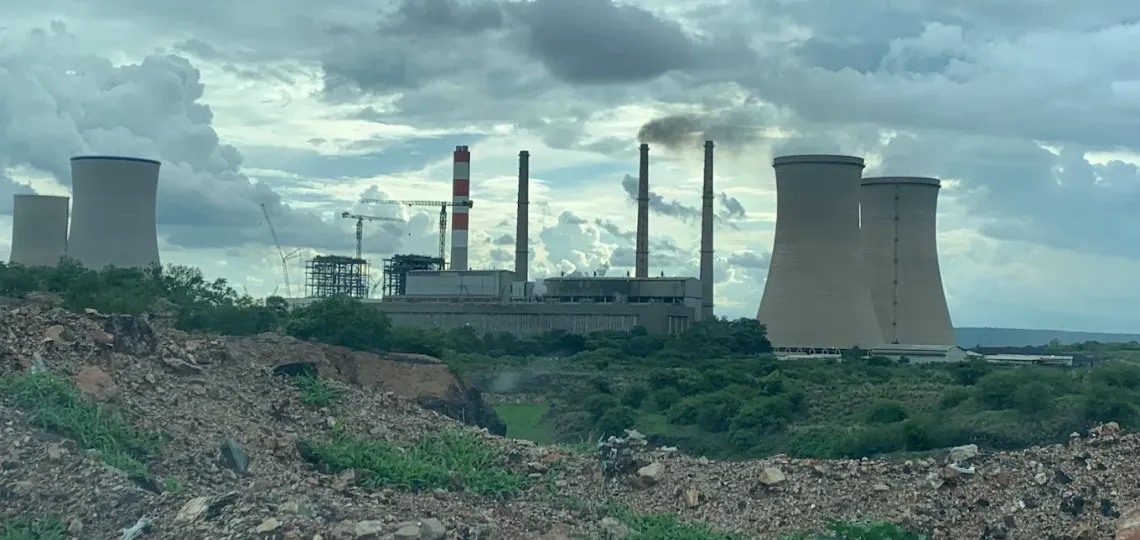
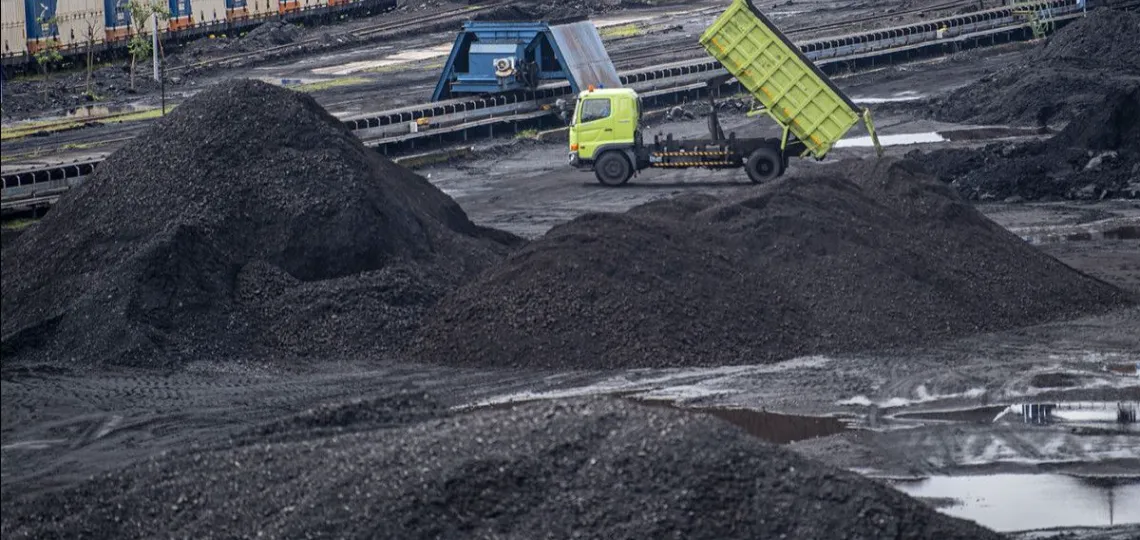
India has announced a coal-fired power generation capacity cap of 307 gigawatts (GW) by 2035, effectively locking in current projects without signalling a phase-out strategy. This move extends the existing thermal development trajectory while aligning with the 2030 target of 500 GW of non-fossil capacity.
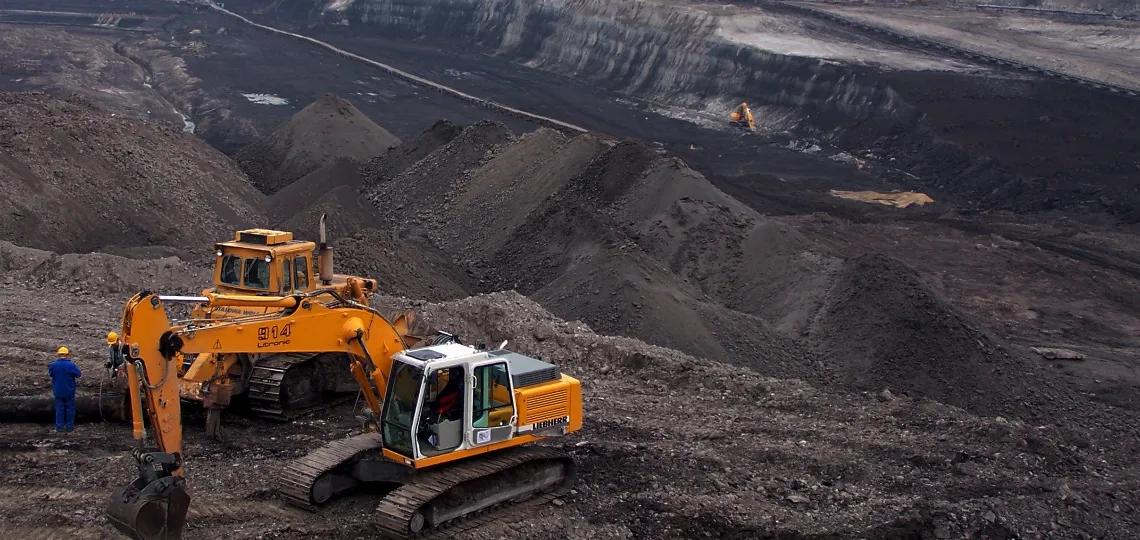
The stated level represents a roughly 45% increase from the 212 GW recorded in March 2023. It includes approximately 97 GW of identified, under-construction or planned projects, largely concentrated in mining-dependent states. No decision has yet been made regarding further additions beyond this threshold.
National regulation remains flexible
The announced cap aligns with the trajectory of the 2023 National Electricity Plan, which already projects a gradual increase in coal capacity to around 283 GW by 2031-32. The Central Electricity Authority (CEA) has advised against retiring any existing thermal capacity before 2030, extending operational life without regulatory closure mandates.
Emissions standards for coal plants, particularly for sulphur dioxide (SO₂), remain weakly enforced. Repeated postponements have reduced short-term financial constraints for operators but pose a medium-term risk of regulatory tightening.
A compliance system in transition
From 2026, India plans to introduce a Carbon Credit Trading Scheme (CCTS), gradually establishing a price signal for greenhouse gas emissions. New thermal units lacking carbon capture could face high compliance costs. Independent power producers (IPPs) will also face increased uncertainty in revenue projections.
Industrial exporters could face indirect regulatory impacts. The European Union’s Carbon Border Adjustment Mechanism (CBAM) will place growing pressure on industrial users to source low-carbon electricity, forcing a reassessment between fossil and renewable power procurement.
Post-2035 outlook uncertain for investors
The 307 GW cap provides visibility up to 2035 but introduces uncertainty for any future coal projects beyond that horizon. Public finance institutions such as Power Finance Corporation (PFC) and Rural Electrification Corporation (REC) will need to incorporate regulatory stress scenarios into credit risk models.
The absence of explicit capacity remuneration mechanisms, combined with projected declines in plant load factors due to rising renewable penetration, puts future units’ profitability at risk. Without tariff reform, these plants may be unable to cover fixed operating costs.
Differentiated impact across actors and regions
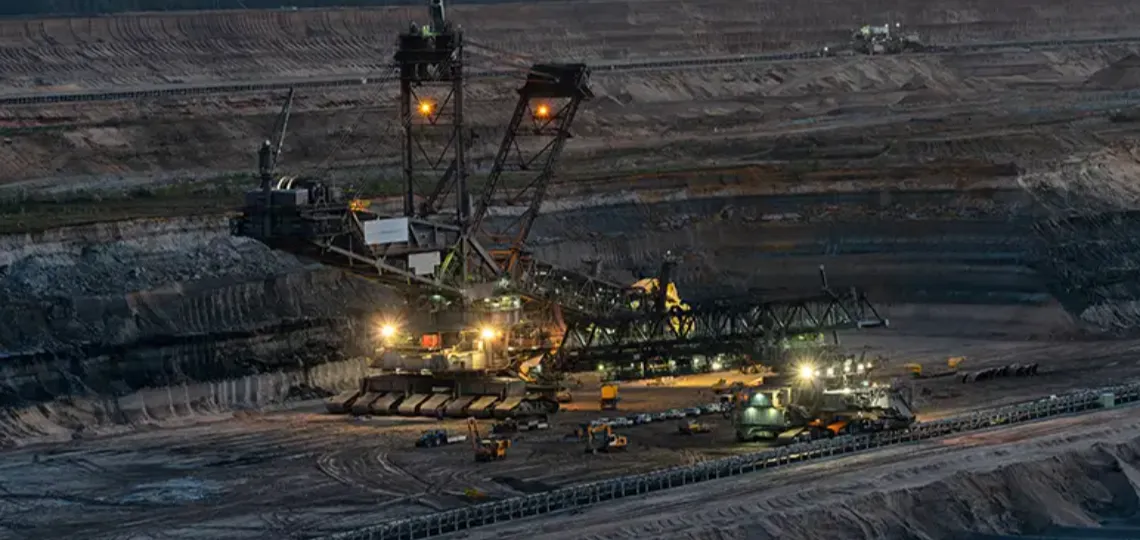
Setting a cap without a closure timeline avoids immediate confrontation with coal-producing states such as Jharkhand, Odisha or Chhattisgarh. These regions maintain a stable revenue outlook from mining activities, with no obligation to initiate local transition strategies.
Private players like Adani Power or Tata Power must balance state-backed thermal investments with the need to expand renewable portfolios to remain eligible for international green finance. Public utilities are likely to focus on securing long-term power purchase agreements (PPAs) amid a fragmented federal and state-level contract environment.