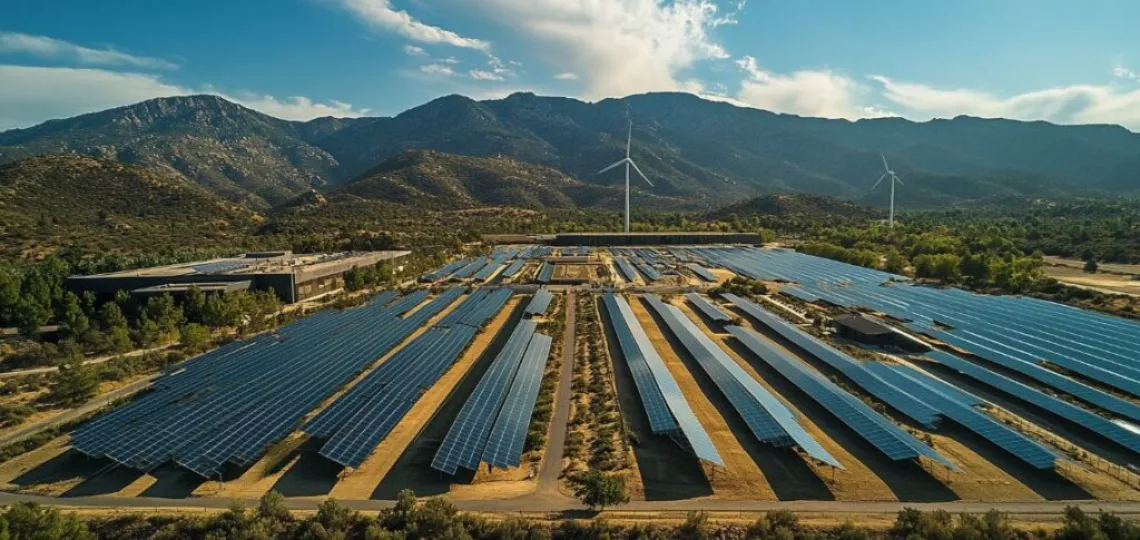
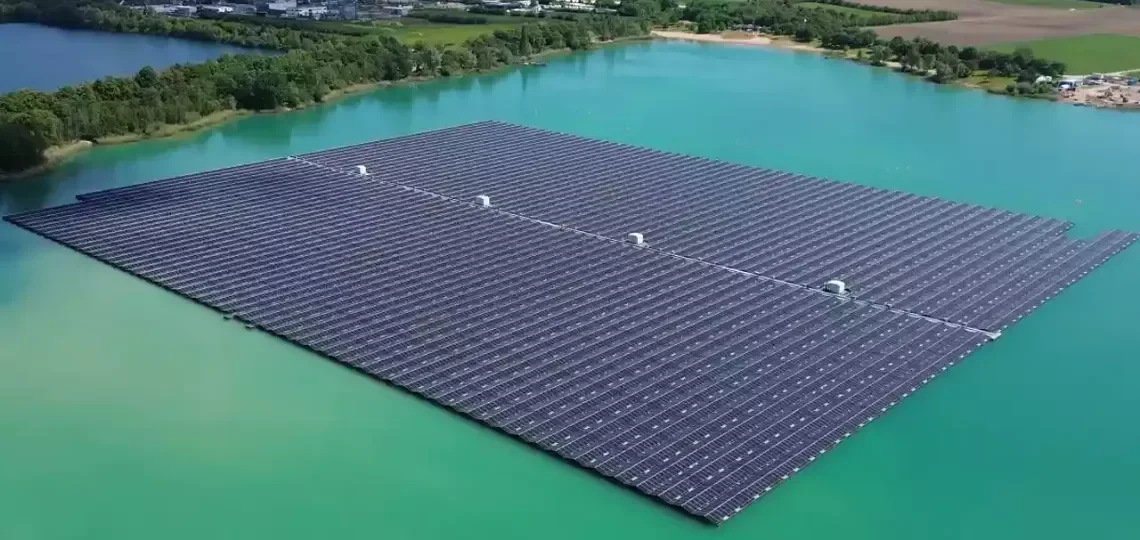
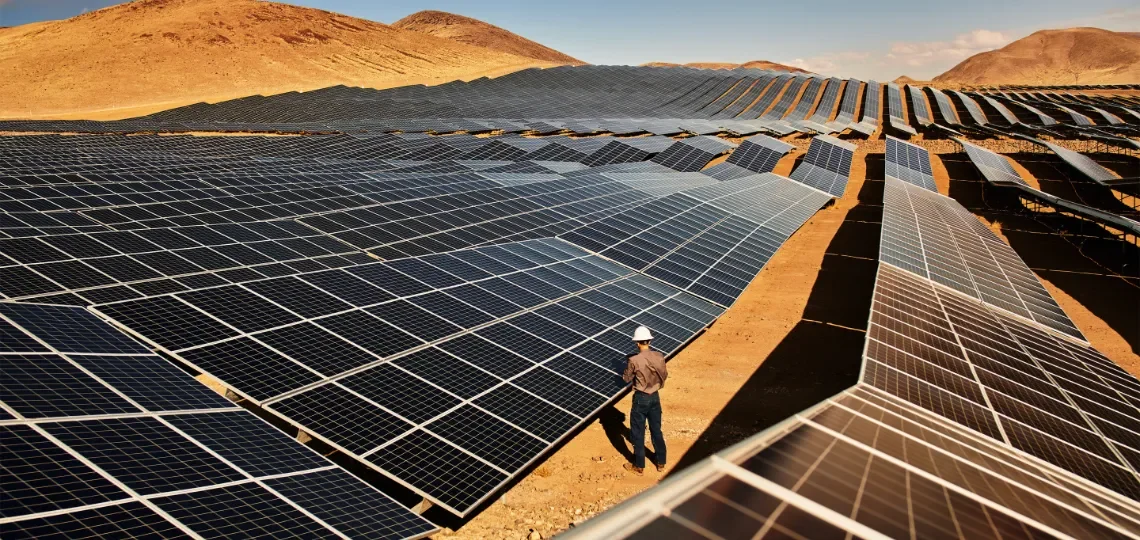
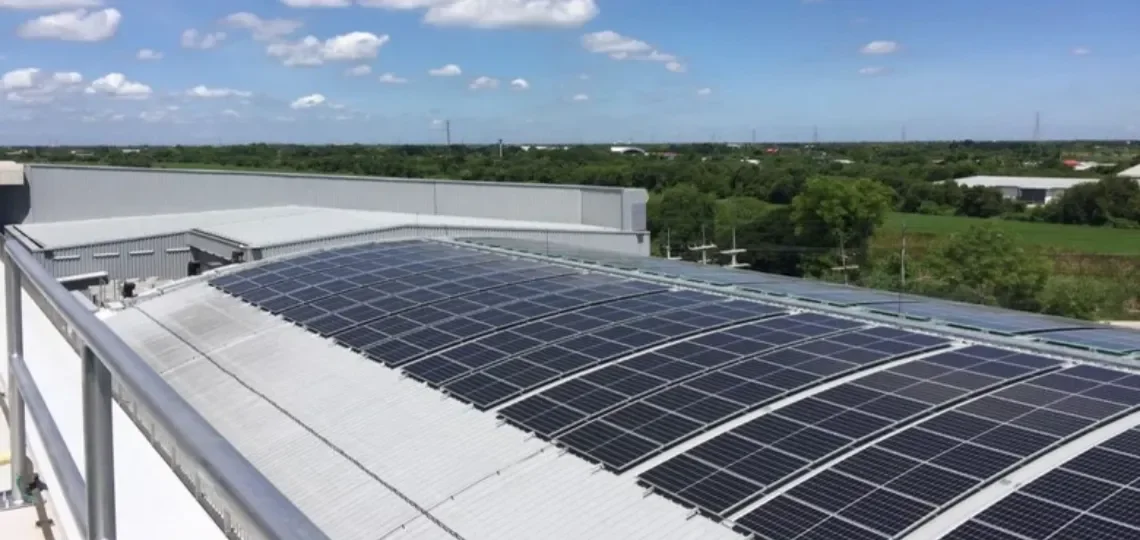
The Solar Energy Corporation of India Limited (SECI) has issued a Request for Selection to allocate up to 1 GW of excess capacity from renewable energy projects already covered by medium-term power purchase agreements. The selection process will be conducted through a single-stage electronic reverse auction. Submissions are open until January 30, 2026, with bids set to be opened on February 4, 2026.
Infrastructure combined with battery storage
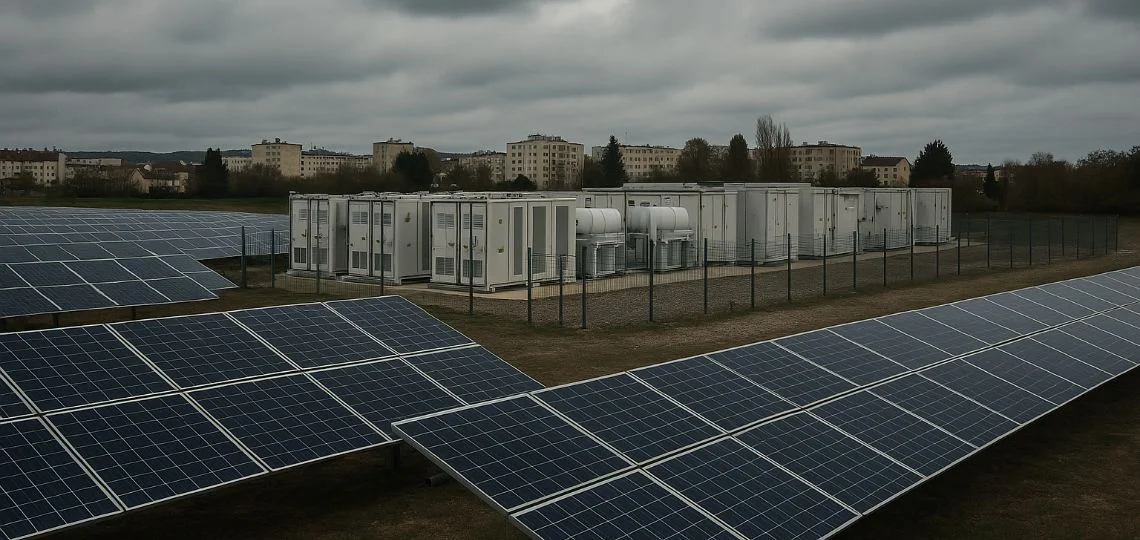
Selected developers will be required to set up renewable energy generation facilities connected to the Inter-State Transmission System (ISTS), combined with a Battery Energy Storage System (BESS). The tender also mandates the construction of transmission infrastructure up to the interconnection point, which will be the responsibility of the producers.
Each project must ensure a minimum delivery of 1.5 MWh per day during solar hours for each megawatt of contracted capacity. This requirement aims to guarantee consistent energy supply in response to the variable nature of renewable energy sources.
Long-term contracts with SECI
Once commissioned, the power generated will be supplied under existing agreements, while any excess electricity will be purchased by SECI under new twelve-year contracts. This strategy allows the agency to secure additional volumes without relying exclusively on long-term greenfield developments.
Tender rules specify that a single bidder cannot be awarded less than 50 MW or more than 500 MW, ensuring a balanced distribution of capacity among developers. The entire process is designed to quickly integrate excess generation while strengthening grid flexibility through storage solutions.
A replicable model for other segments
This mechanism, focused on utilising existing installations, provides a framework for optimising already connected renewable assets. It comes at a time of growing demand for flexible generation solutions combining renewables and storage in high-consumption zones.
The combination of surplus contracting and hourly performance incentives could also serve as a model for other segments of the Indian power market. The targeted volume and technical parameters of the project reflect the evolving priorities within the electricity sector.