Hy2gen secures zoning approval for renewable ammonia plant in Norway
The Sauda municipal council has approved the zoning plan for the Iverson project, paving the way for a 270 MW electrolysis facility powered by hydropower to produce renewable ammonia.
| Sectors | Hydrogen Energy, Electrolysis |
|---|---|
| Themes | Project Development, Construction |
| Countries | Norway |
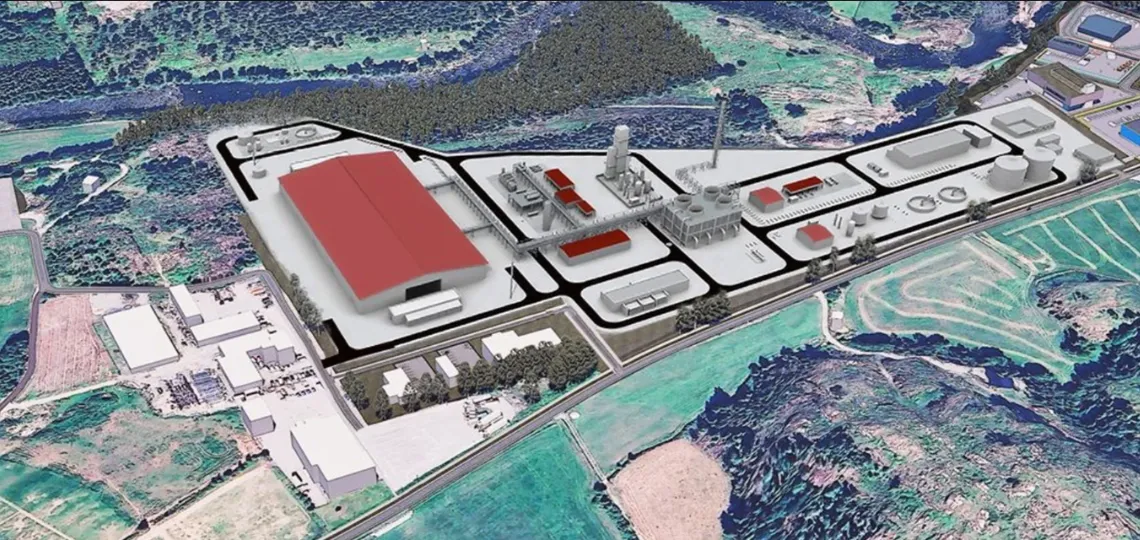
Hy2gen Nordic AS, the Norwegian subsidiary of global renewable hydrogen producer Hy2gen, has received zoning approval from the Sauda municipal council for the construction of the Iverson plant, a renewable ammonia production site located at the Birkeland industrial zone. The approval marks a key milestone in the development of a low-emission industrial hub for the maritime sector.
The facility, equipped with a 270 MW electrolysis unit powered by hydropower, is expected to avoid approximately 3 million tons of carbon dioxide emissions over its first decade of operation. The project aims to harness local hydropower resources to supply alternative fuels for industrial and maritime uses.
Job creation and local economic impact
The Iverson project is also positioned as an economic development driver for the Rogaland region. Hy2gen plans to employ over 300 workers during the construction phase and create 50 to 60 permanent positions once the plant is operational. Several hundred indirect jobs could also result from this industrial activity.
This development aligns with the zero-emission industry objectives set by the Rogaland County Council. It reflects a strategy to integrate local renewable resources into the industrial economy, in accordance with Norway’s national policies.
Technical phase before final investment decision
The next phase of the project will involve the technical development work needed to assess its industrial and economic feasibility. A final investment decision will be taken once this stage is complete. No specific date has been provided for the start of construction.
The Sauda renewable ammonia facility is one of Hy2gen’s flagship projects in the Nordic region. According to the company, the infrastructure could become a key milestone in developing a large-scale energy ecosystem based on hydrogen and renewable derivatives.