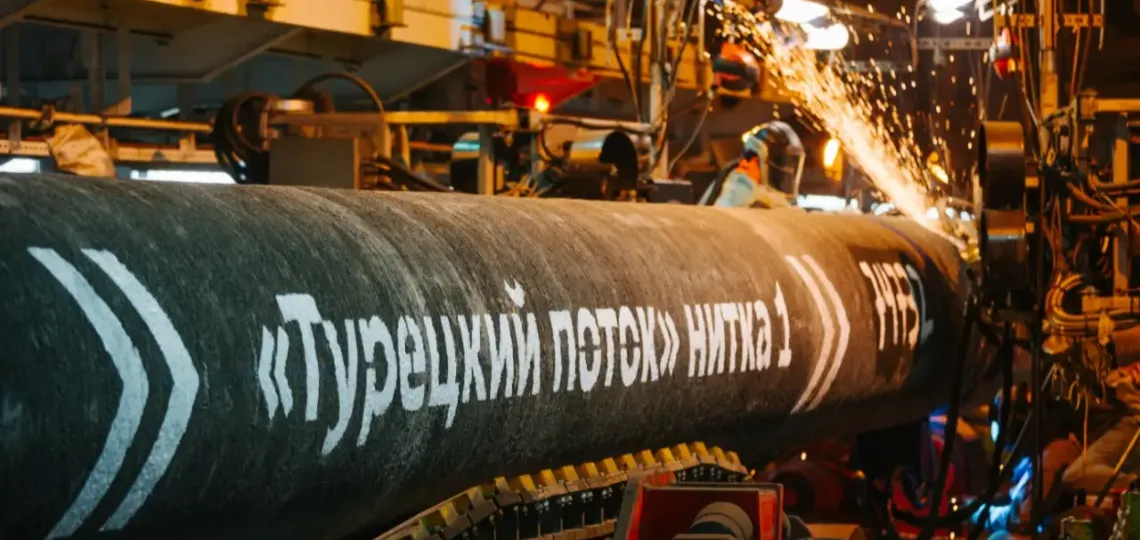
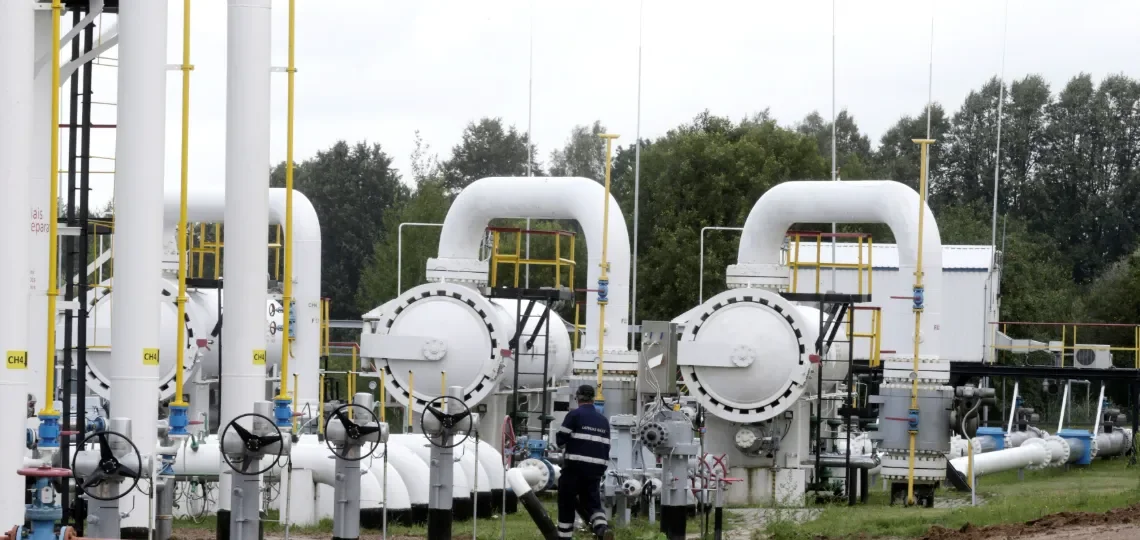
South Stream Transport B.V., a Gazprom subsidiary operating the maritime section of TurkStream, has officially moved its headquarters from the Netherlands to Hungary. The decision follows an Amsterdam court ruling to freeze its assets in response to a lawsuit filed by Ukrainian company DTEK Krymenergo over losses related to the annexation of Crimea.
A transfer to bypass Dutch jurisdiction
By relocating to Budapest, South Stream Transport B.V. aims to shield itself from Dutch jurisdiction, previously used to enforce asset seizures against Russian entities. In 2019, Naftogaz secured a full freeze of the company’s shares. The regulatory environment in the Netherlands has tightened further since authorities revoked its export licence in 2022.
The Hungarian government, supportive of close energy ties with Moscow, has reinforced its backing for the project. Prime Minister Viktor Orban and Foreign Minister Peter Szijjarto have repeatedly stressed TurkStream’s strategic importance for both national and regional energy security.
TurkStream, a central corridor for Russian gas
TurkStream carries up to 31.5 bcm/year of gas from Russia to Turkey, then into Southeast Europe. Hungary currently imports about 7.5 bcm/year through the pipeline, up from the 4.5 bcm initially agreed under a long-term contract signed in 2021. The gas is then transported to Serbia, Bulgaria, Slovakia and potentially Austria.
European Union sanctions limit technology transfers to Russia but do not block deliveries to the EU. However, the relocation to Hungary could complicate future sanctions that may target infrastructure rather than flows or technologies.
Impact of the US regulatory framework
The United States has granted Hungary a one-year exemption allowing financial transactions related to TurkStream, despite CAATSA (Countering America’s Adversaries Through Sanctions Act) and PEESA (Protecting Europe’s Energy Security Act) sanctions regimes. This legal framework reduces banking risks for entities operating out of Budapest.
The relocation does not alter the ownership structure, with Gazprom retaining full control over South Stream Transport B.V. However, it increases the involvement of Hungarian authorities in the operational governance of the pipeline.
Regional market consequences
In the short term, the move is unlikely to impact spot gas prices in Central Europe, as transported volumes are already factored into market balances. It does, however, provide added protection against legal or regulatory disruptions that might arise in other European jurisdictions.
Operators in Serbia, Bulgaria and Slovakia benefit from greater contractual flow security, while Ukrainian creditors may now need to pursue legal avenues outside the Netherlands. The Hungarian corporate structure complicates direct enforcement on future revenue streams from the pipeline.
A signal for other Russian infrastructures in Europe
This precedent may lead other Russian entities based in the Netherlands or Luxembourg to consider re-domiciling to more favourable EU jurisdictions or non-EU countries such as Serbia or Turkey. This could contribute to a reshaping of the European energy landscape amid ongoing tensions between Brussels and Moscow.
The relocation of South Stream Transport B.V. also highlights Hungary’s growing role as a critical conduit for Russian gas exports. This strengthens Budapest’s leverage in EU negotiations on funding and energy policy.