
Investment funds active in European energy markets are significantly redirecting their positions, cutting exposure to natural gas in favour of European Union carbon allowances (EUAs), as a wave of liquefied natural gas (LNG) supply is anticipated from next year.
Correlation between gas and carbon breaks down
The historical relationship between natural gas prices and EU carbon allowance (EUA) prices has weakened significantly since the second quarter. While correlation reached 0.91 in the first quarter of 2025, it has now fallen to -0.41, reversing the usual dynamic. This shift partly reflects the drop in the Dutch TTF front-month contract, which has declined by 40 % since the beginning of the year.
In parallel, EUAs have climbed above the EUR80/tCO2e psychological threshold, supported by expectations of reduced supply from 2026. According to the latest ICE Commitment of Trade Report for the week ending November 14, funds cut their net long positions on Dutch gas contracts by 36 % to 15.6 million lots. Conversely, long net positions in the carbon market rose to 102 million lots, the highest level since May 2021.
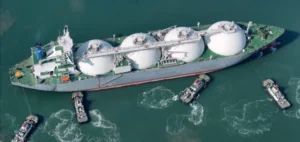
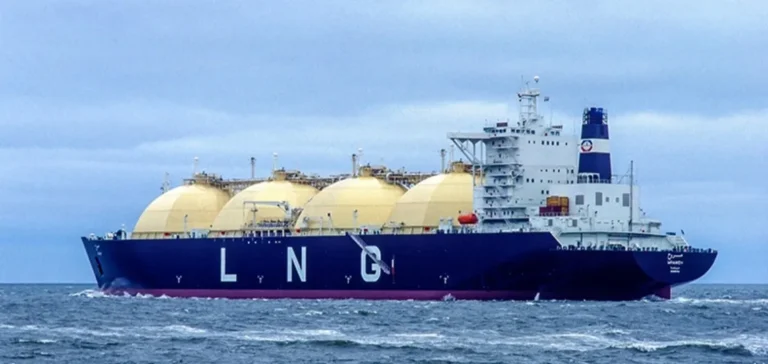
LNG inflows weigh on gas market
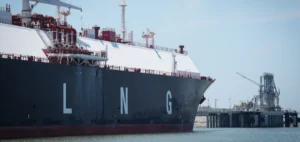
The decline in gas prices is driven by continuous LNG inflows into Europe, combined with high storage levels and subdued demand. European gas inventories are at approximately 79 % of capacity, according to Gas Infrastructure Europe data, reducing the need for urgent spot procurement during the winter.
The LNG price for January delivery to Northwest Europe was assessed at $9.756/MMBtu on November 21, with a discount of $0.45/MMBtu to TTF. US LNG exports reached a record 10.45 million tonnes in October, up 36 % year-on-year, with 78 % of volumes shipped to Europe.
Anticipated reduction in EUA supply
On the carbon market side, the prospect of a tighter supply is drawing investor interest. The Market Stability Reserve, a key mechanism, is set to remove allowances from circulation starting next year. Primary market auction volumes are expected to decrease by 1 % through 2026.
Under the REPowerEU plan, the end of supplementary auctions and the expansion of the Carbon Border Adjustment Mechanism will also reduce market access. No free allocations will be granted to the aviation sector, and the maritime sector will be gradually included.
According to forecasts from S&P Global Energy Horizons, EUA prices are expected to average EUR85/tCO2e in 2026, driven by the projected contraction in primary market supply.