ExxonMobil shuts down steam cracker in Singapore and redirects assets to China

ExxonMobil is shutting down its oldest ethylene steam cracker in Singapore, reducing local capacity to invest in its integrated Huizhou complex in China, amid regional overcapacity and rising operational costs.

Share:

Comprehensive energy news coverage, updated nonstop

Annual subscription

8.25$/month*

*billed annually at 99$/year for the first year then 149,00$/year ​

Unlimited access • Archives included • Professional invoice

OTHER ACCESS OPTIONS

Monthly subscription

Unlimited access • Archives included

5.2$/month*
then 14.90$ per month thereafter

FREE ACCOUNT

3 articles offered per month

FREE

*Prices are excluding VAT, which may vary depending on your location or professional status

Since 2021: 35,000 articles • 150+ analyses per week

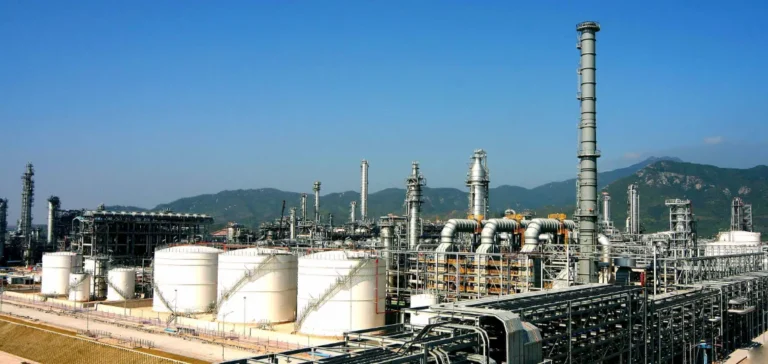
ExxonMobil has confirmed the permanent closure of its oldest ethylene steam cracker located on Jurong Island in Singapore. The unit, operational since the early 2000s, had an annual capacity close to 900,000 tonnes. The group is thus reallocating investments to more competitive assets, particularly its new petrochemical complex in Huizhou, China, featuring a flexible 1.6 million tonnes per year cracker.

Reduction in naphtha demand in Singapore

The shutdown is expected to reduce local naphtha consumption by an estimated 1.4 to 1.6 million tonnes annually, directly impacting imported flows in the Jurong petrochemical hub. ExxonMobil is retaining its second steam cracker commissioned in 2013, which is more integrated with downstream units. The adjacent refinery, recently upgraded to a capacity of 592,000 barrels per day, also remains operational, confirming a strategic repositioning rather than a full withdrawal from the site.

Overcapacity context and economic arbitrage

The closure comes during a downcycle for the Asian olefins market, marked by growing overcapacity, particularly in China. Local ethylene and propylene production far exceeds demand, compressing margins for historic producers. According to several analysts, up to 8 million tonnes of capacity are at risk in South and Southeast Asia, primarily targeting older naphtha-based units.

Investment redirected towards China

With its Huizhou complex, ExxonMobil strengthens its industrial presence in mainland China. The site, fully owned by the group, integrates a full value chain from steam cracking to high-performance polyolefins. This configuration allows the group to meet local demand while optimising costs compared to older assets exposed to stricter regulatory constraints.

Effects on regional supply chains

The closure of the unit is expected to have limited impact on spot prices in Southeast Asia, but will require contract reorganisation for downstream customers. These clients will have to turn to other local suppliers such as Petrochemical Corporation of Singapore (PCS) or the new Bukom/Jurong complex operated by Chandra Asri and Glencore. In parallel, the unused naphtha could be redirected to other regional hubs or diverted to gasoline blending.

Reduced exposure to carbon taxation

The closed cracker was among the most energy-intensive units on Jurong Island, making it particularly vulnerable to Singapore’s planned increase in carbon tax, currently set at 25 SGD/t and due to rise to 45 SGD/t by 2026. This shutdown therefore reduces ExxonMobil’s future exposure to regulatory carbon costs while preserving its industrial presence in the country.

Social impacts and strategic repositioning

The shutdown forms part of a broader restructuring plan for the group in Singapore, with a 10 to 15% headcount reduction announced by 2027. It also follows the divestment of ExxonMobil’s local retail fuel network, fuelling speculation about a shift towards higher-value segments. Local authorities will have to support this transition from both industrial and regulatory standpoints.

Concentration of assets in China and increased dependencies

The investment focus on the Chinese complex increases ExxonMobil’s dependence on the country’s economic and political conditions. In return, the group gains better access to consumer markets and reduces unit costs. This strategy also allows for optimised capital allocation to integrated, flexible and growth-aligned installations in the region.

The revocation of US licences limits European companies’ operations in Venezuela, triggering a collapse in crude oil imports and a reconfiguration of bilateral energy flows.
Bourbon has signed an agreement with ExxonMobil for the charter of next-generation Crewboats on Angola’s Block 15, strengthening a strategic cooperation that began over 15 years ago.
Faced with tighter legal frameworks and reinforced sanctions, grey fleet operators are turning to 15-year-old VLCCs and scrapping older vessels to secure oil routes to Asia.
Reconnaissance Energy Africa completed drilling at the Kavango West 1X onshore well in Namibia, where 64 metres of net hydrocarbon pay were detected in the Otavi carbonate section.
The Adura joint venture merges Shell and Equinor’s UK offshore assets, becoming the leading independent oil and gas producer in the mature North Sea basin.
A Delaware court approved the sale of PDV Holding shares to Elliott’s Amber Energy for $5.9bn, a deal still awaiting a U.S. Treasury licence through OFAC.
A new $100mn fund has been launched to support Nigerian oil and gas service companies, as part of a national target to reach 70% local content by 2027.
Western measures targeting Rosneft and Lukoil deeply reorganise oil trade, triggering a discreet yet massive shift of Russian export routes to Asia without causing global supply disruption.
The Nigerian Upstream Petroleum Regulatory Commission opens bidding for 50 exploration blocks across strategic zones to revitalise upstream investment.
La Nigerian Upstream Petroleum Regulatory Commission ouvre la compétition pour 50 blocs d’exploration, répartis sur plusieurs zones stratégiques, afin de relancer les investissements dans l’amont pétrolier.
Serbia's only refinery, operated by NIS, has suspended production due to a shortage of crude oil, a direct consequence of US sanctions imposed on its majority Russian shareholder.
Crude prices increased, driven by rising tensions between the United States and Venezuela and drone attacks targeting Russian oil infrastructure in the Black Sea.
Amid persistent financial losses, Tullow Oil restructures its governance and accelerates efforts to reduce over $1.8 billion in debt while refocusing operations on Ghana.
The Iraqi government is inviting US oil companies to bid for control of the giant West Qurna 2 field, previously operated by Russian group Lukoil, now under US sanctions.
Two tankers under the Gambian flag were attacked in the Black Sea near Turkish shores, prompting a firm response from President Recep Tayyip Erdogan on growing risks to regional energy transport.
The British producer continues to downsize its North Sea operations, citing an uncompetitive tax regime and a strategic shift towards jurisdictions offering greater regulatory stability.
Dangote Refinery says it can fully meet Nigeria’s petrol demand from December, while requesting regulatory, fiscal and logistical support to ensure delivery.
BP reactivated the Olympic pipeline, critical to fuel supply in the U.S. Northwest, after a leak that led to a complete shutdown and emergency declarations in Oregon and Washington state.
President Donald Trump confirmed direct contact with Nicolas Maduro as tensions escalate, with Caracas denouncing a planned US operation targeting its oil resources.
Zenith Energy claims Tunisian authorities carried out the unauthorised sale of stored crude oil, escalating a longstanding commercial dispute over its Robbana and El Bibane concessions.

All the latest energy news, all the time

Annual subscription

8.25$/month*

*billed annually at 99$/year for the first year then 149,00$/year ​

Unlimited access - Archives included - Pro invoice

Monthly subscription

Unlimited access • Archives included

5.2$/month*
then 14.90$ per month thereafter

*Prices shown are exclusive of VAT, which may vary according to your location or professional status.

Since 2021: 30,000 articles - +150 analyses/week.