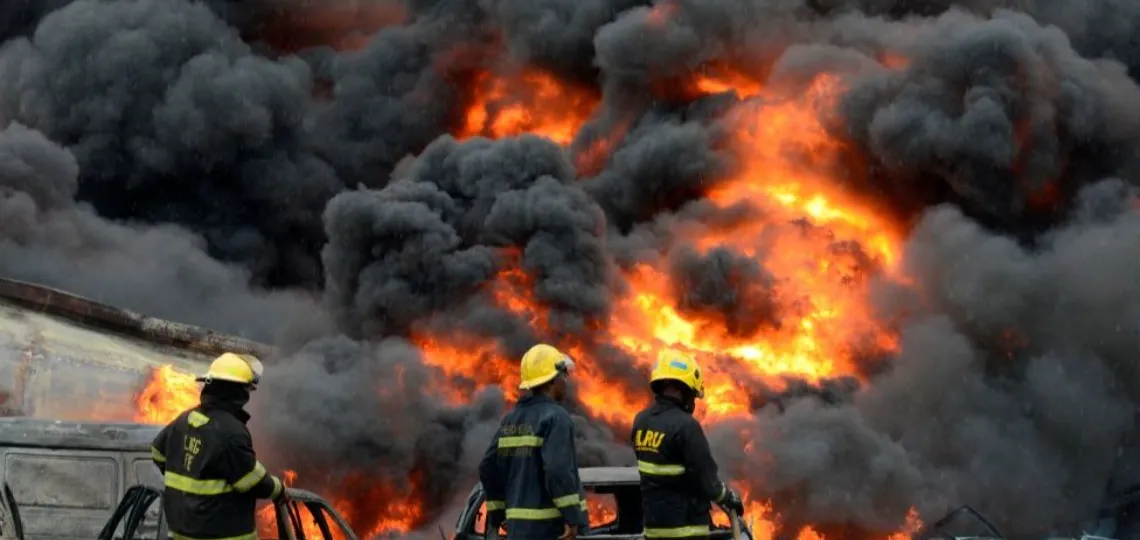
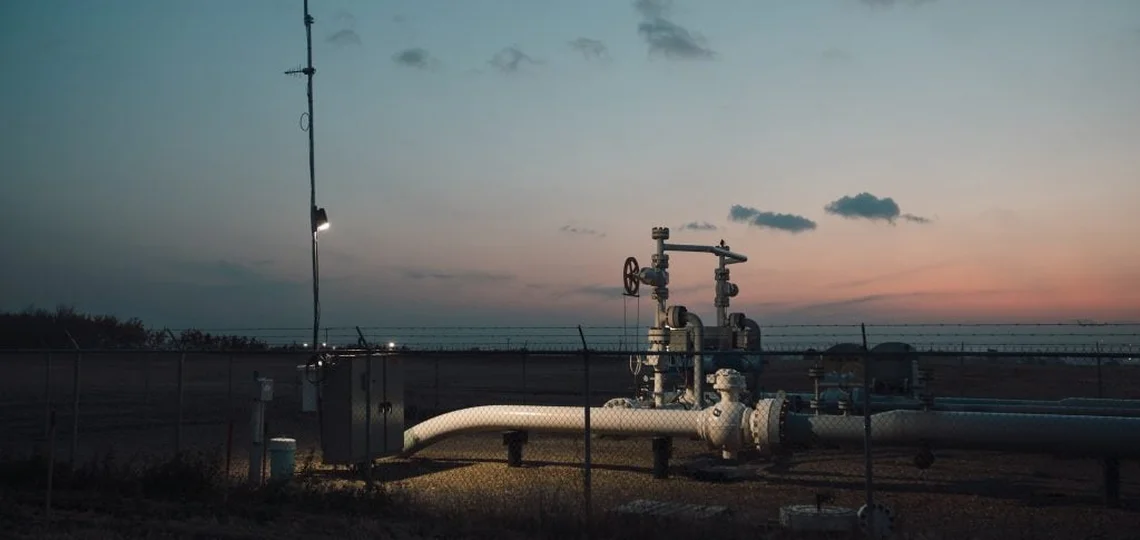
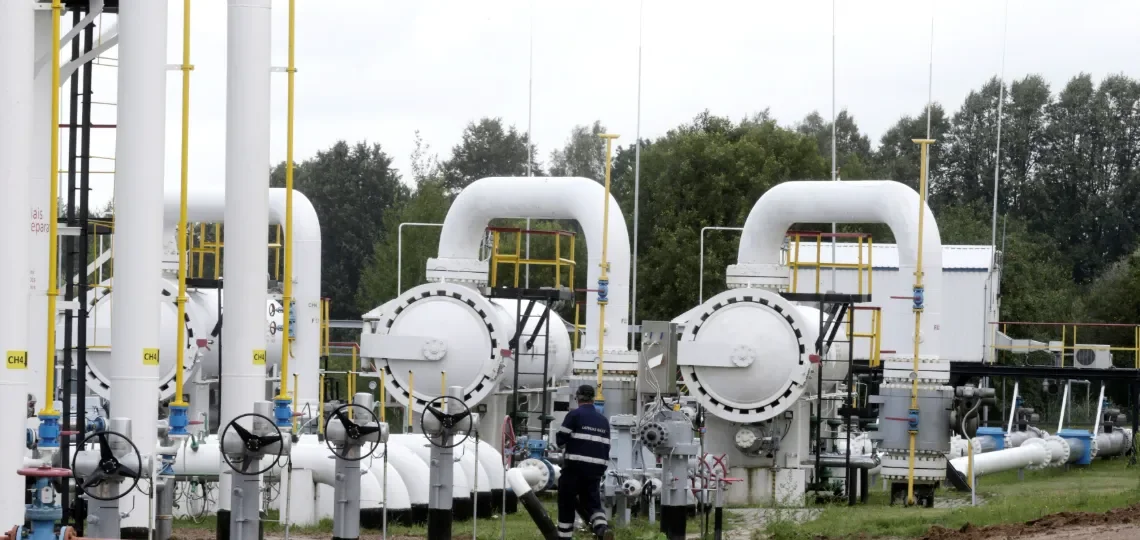
State-owned Nigerian National Petroleum Company Ltd (NNPC) announced that an explosion hit the Escravos–Lagos gas pipeline on December 10, disrupting gas transport to several key regions in Nigeria. The incident occurred near the communities of Tebijor, Okpele and Ikpopo in Delta State. No information was provided on possible casualties.
A critical infrastructure for energy
The Escravos–Lagos pipeline transports gas from coastal installations to the country’s southwest. With a capacity of 2.2 billion cubic feet per day, it supplies gas to power plants and industrial facilities in the Lagos metropolitan area. A drop in pressure observed shortly after the incident confirmed a containment loss, indicating significant damage to the infrastructure.
Disruptions to this pipeline, considered a cornerstone of Nigeria’s energy system, often raise concerns over the stability of power supply. Nigeria relies heavily on natural gas for its electricity production.
Ongoing investigation and emergency response
Emergency teams were deployed to the site by NNPC in coordination with local authorities. The company did not specify potential causes of the explosion but confirmed that an investigation had been launched to determine its origin.
Discussions have begun with community leaders to facilitate site access and damage assessment. The timeline for resuming operations on the pipeline remains uncertain, amid ongoing pressure on the national energy network.
Risks to electricity network stability
Any prolonged disruption to this infrastructure could worsen the frequent power outages in the country. Lagos, Nigeria’s economic hub, is particularly vulnerable to such interruptions.
“We are working closely with the relevant authorities to ensure a safe resumption of operations,” a NNPC spokesperson said.